How Chimney Blockages Cause Carbon Monoxide Problems
Restricted Draft and Backdrafting
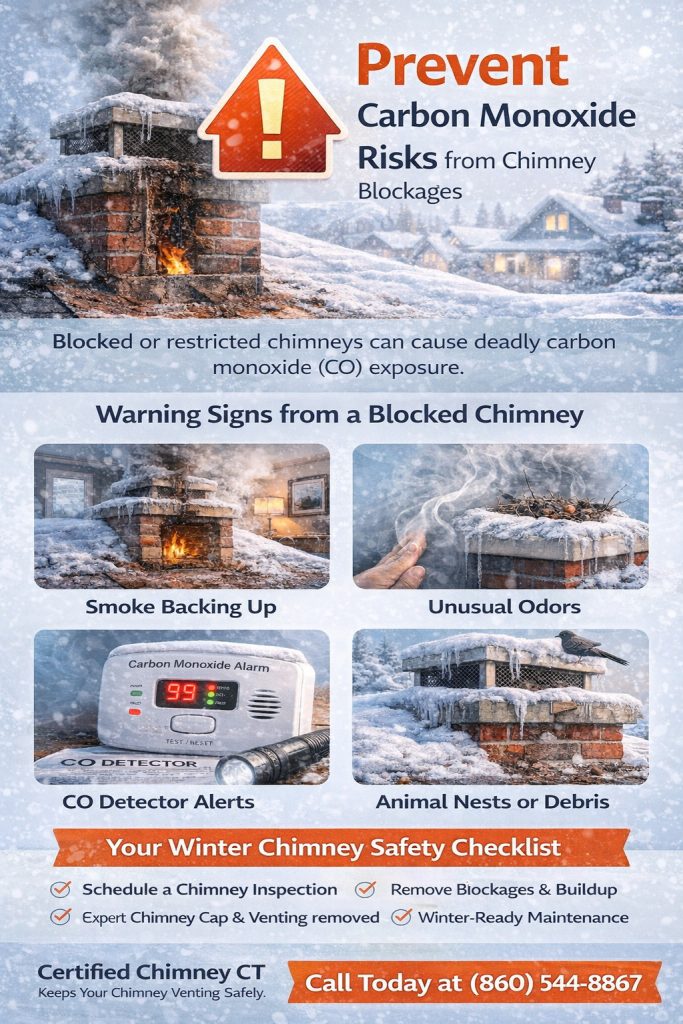
When a chimney is blocked, exhaust gases slow down or reverse direction. This process, known as backdrafting, allows carbon monoxide to spill back into the home instead of venting outside.
Cold plug syndrome is another winter-specific issue. Cold, dense air settles inside an unused chimney flue and prevents warm exhaust from rising, especially during the first fire of the season.
Thermal Inversion and Winter Weather
During brutal winters, thermal inversion can trap cold air close to the ground. This reduces chimney draft and increases the risk of carbon monoxide buildup inside the home.
The Dangers of Carbon Monoxide Exposure
Health Risks Associated With CO Exposure
Carbon monoxide interferes with the body’s ability to absorb oxygen. Short-term exposure can cause headaches, dizziness, and nausea. Longer exposure increases the risk of serious respiratory problems and, in severe cases, death.
The National Institutes of Health outlines the health effects of CO poisoning.
Symptoms of Carbon Monoxide Poisoning
Symptoms often resemble the flu without a fever. Fatigue, confusion, and chest pain are common warning signs. Because carbon monoxide is invisible, many homeowners do not realize there is a problem until a CO detector alerts them.
Winter’s Impact on Chimney Integrity
Freeze-Thaw Cycle and Masonry Damage
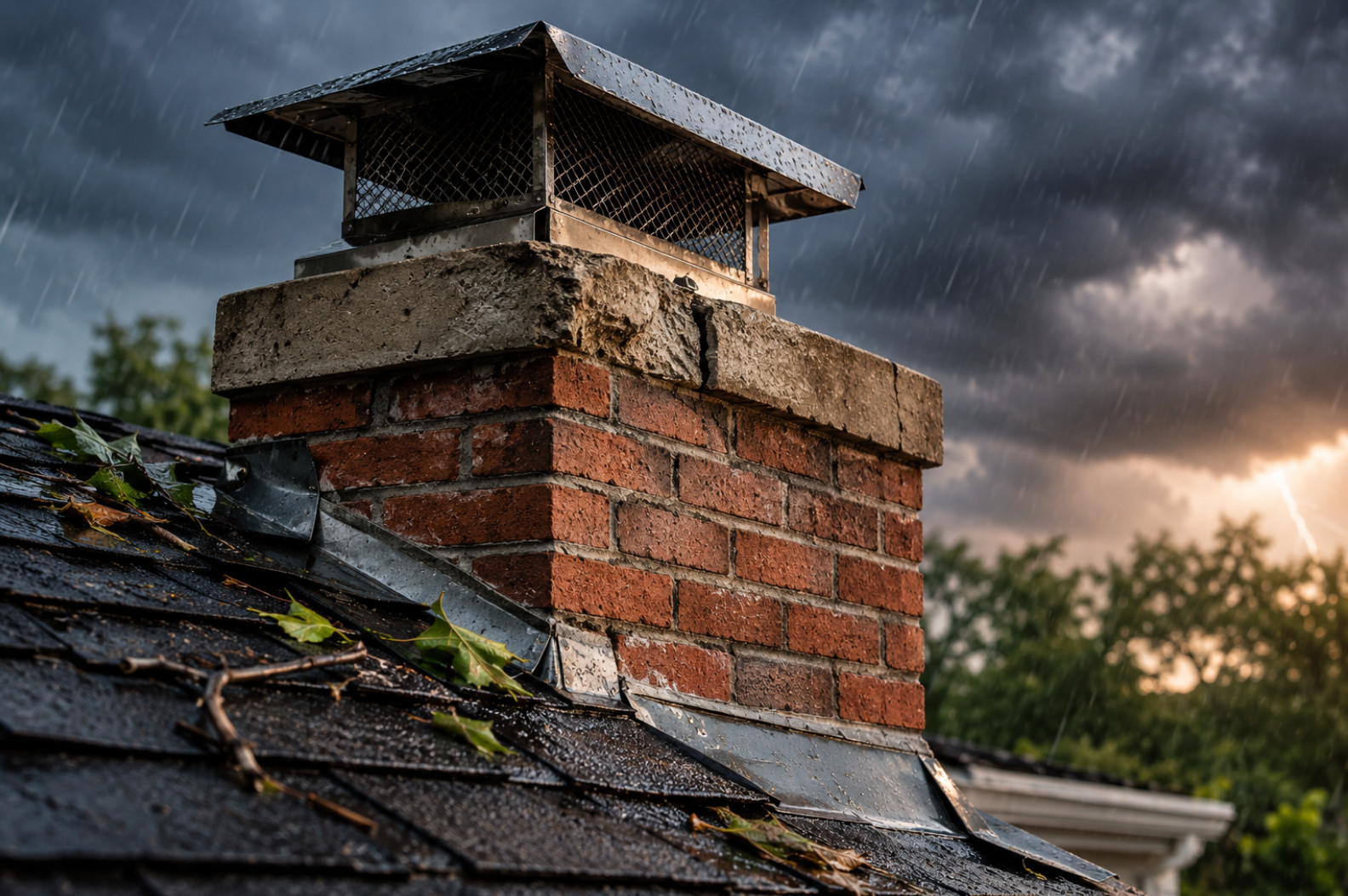
Winter weather takes a toll on chimneys. Water seeps into small cracks in chimney bricks and mortar joints. When temperatures drop, that water freezes and expands, causing cracks in the bricks and long-term masonry damage.
Over time, this damage can allow exhaust gases to leak through the chimney structure and into the home.
Snow Accumulation and Ice Buildup
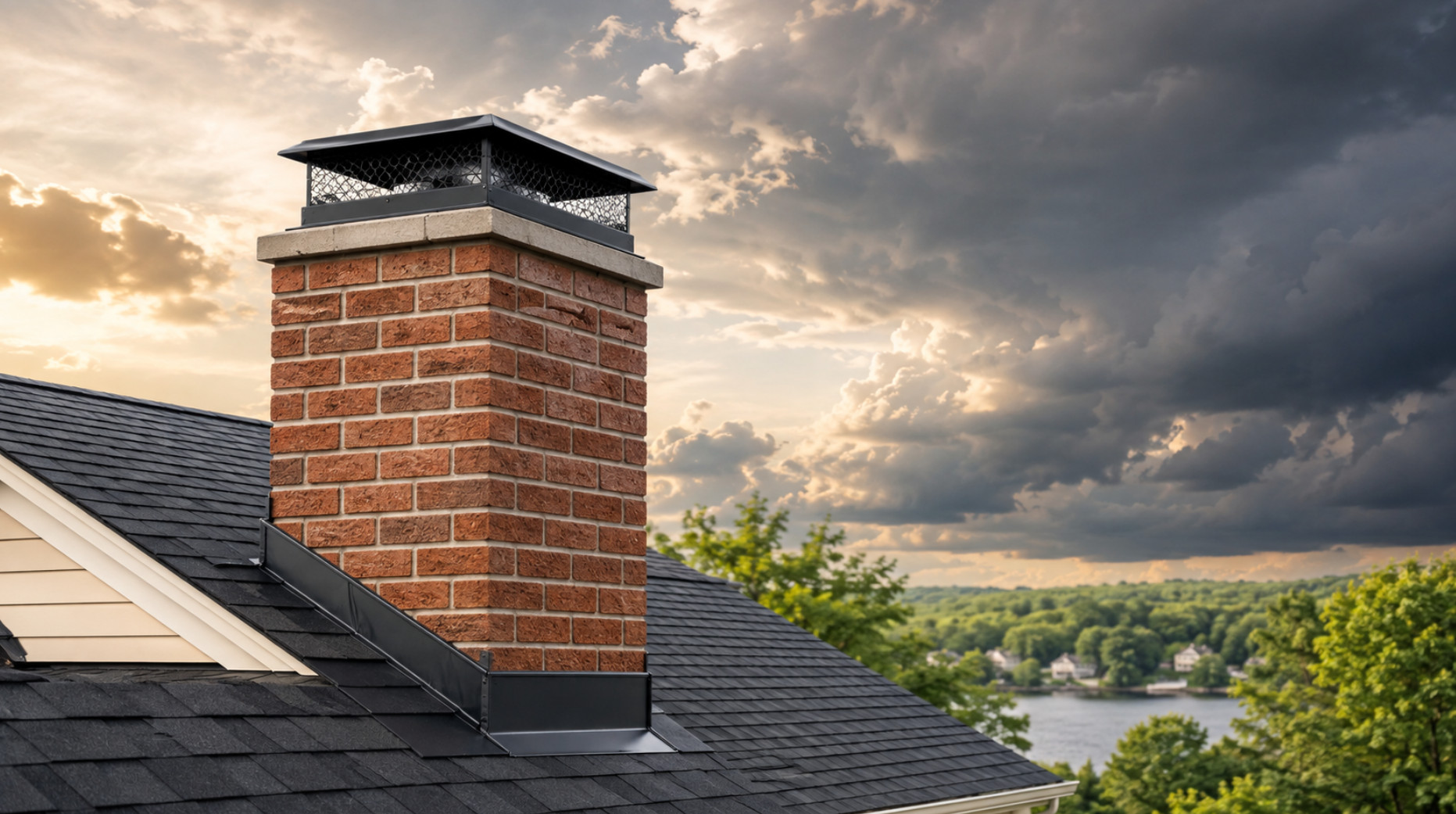
Snow accumulation around the chimney cap can restrict airflow. Ice buildup can also damage metal components, leading to corrosion and reduced draft performance.
Creosote Buildup and Chimney Fires
How Creosote Forms
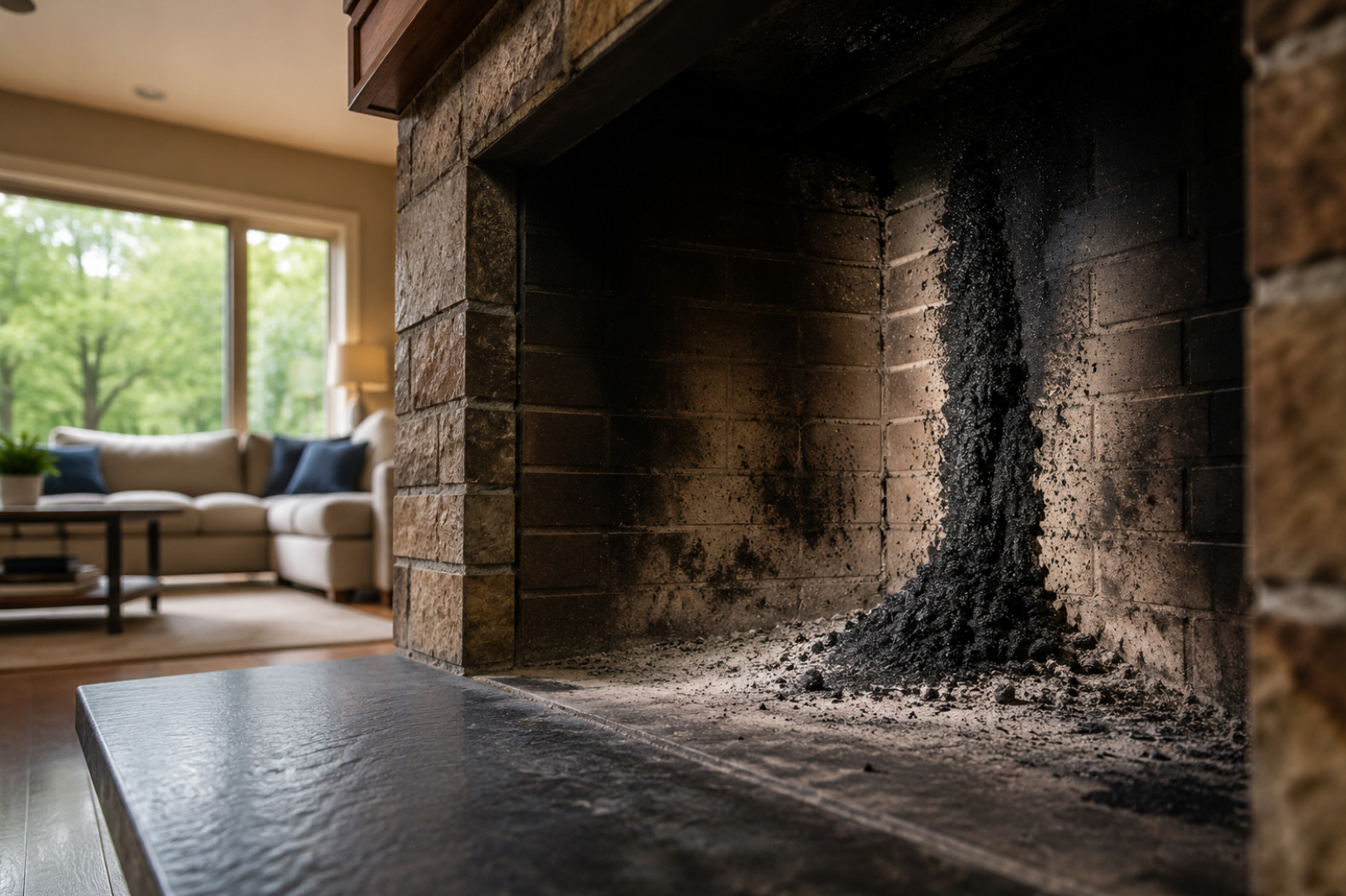
Creosote particles form when smoke cools before exiting the chimney. Over time, these particles harden into thick deposits along the chimney lining.
The Chimney Safety Institute of America provides detailed information on creosote and chimney fires.
Why Creosote Increases CO Risk
Creosote buildup narrows the chimney flue, reducing airflow. This increases the likelihood of both chimney fires and carbon monoxide exposure during winter use.
Chimney Liners and Structural Protection
The Role of Chimney Liners
Chimney liners protect the masonry and help guide exhaust safely outside. Damaged or missing liners allow heat and gases to escape into surrounding walls.
Modern liners are often made from stainless steel, which resists corrosion and improves draft efficiency.
Signs of Chimney Liner Damage
Liner damage is not always visible from the outside. Professional chimney inspections often include video inspection to identify cracks or gaps inside the flue.
Gas Appliances and Carbon Monoxide Risks
Furnaces, Water Heaters, and Gas Stoves
Carbon monoxide is not limited to fireplaces. Gas-powered furnaces, gas water heaters, and gas stoves all vent exhaust through flues or exhaust pipes.
If furnace vents or exhaust pipes become blocked, carbon monoxide can enter the home through air vents or the HVAC system.
Importance of Furnace Inspection
Routine furnace inspection helps identify heat exchanger cracks, blocked vents, or faulty pilot lights before winter use begins.
Preventive Measures for Chimney Safety
Importance of Regular Chimney Inspections
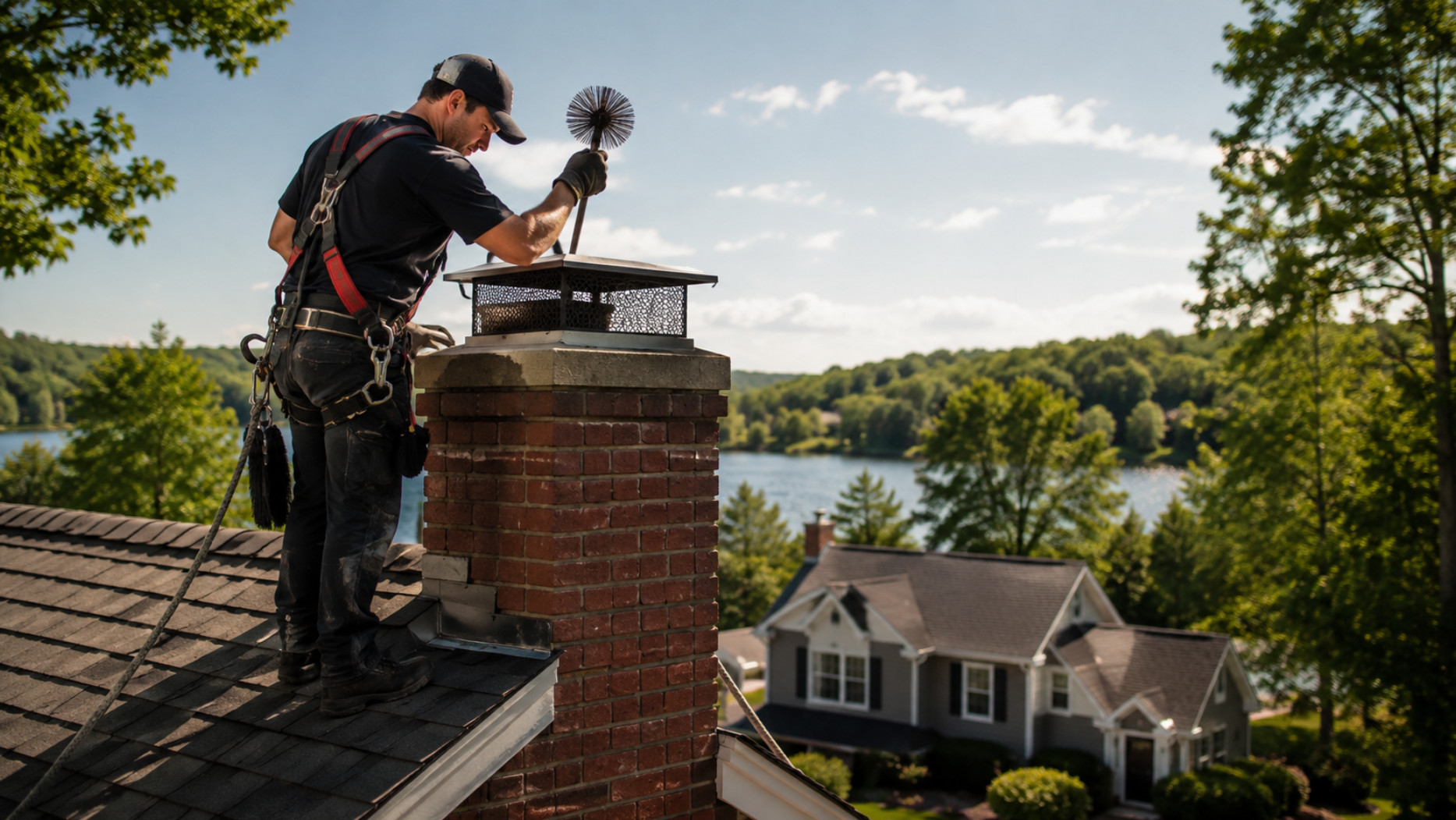
Annual chimney inspection is one of the most effective ways to prevent carbon monoxide issues. Professional chimney inspections evaluate the flue, liner, cap, and overall structure for blockages or damage.
The National Fire Protection Association recommends regular inspections.
Chimney Sweeping and Cleaning
Chimney sweeping removes creosote buildup and debris. This improves airflow and reduces the risk of chimney fires and CO poisoning.
Installing Carbon Monoxide Detectors
Proper Placement of CO Detectors
Carbon monoxide detectors should be installed on every level of the home and near sleeping areas. Combination fire and carbon monoxide detectors provide added protection.
The U.S. Fire Administration offers guidance on detector placement.
Testing and Maintenance
CO detectors should be tested monthly and batteries replaced as needed. A carbon monoxide monitor with digital readouts can provide early warning of rising levels.
Recognizing and Responding to Carbon Monoxide Exposure
Early Warning Signs to Watch For
If multiple CO detectors alarm or occupants feel dizzy or nauseous, treat it as an emergency. Open windows and doors immediately and move outside.
Immediate Actions to Take
Call emergency services and have the home inspected before using any fuel-burning appliances again. A professional chimney sweep service can identify and correct the source of the blockage.
Winter Chimney Care for Long-Term Safety
Routine Maintenance Checks
Routine maintenance checks before and during winter reduce emergency calls and protect your home. This includes chimney sweeping, masonry repair, and checking chimney caps and spark cages.
Professional Help Makes the Difference
Certified Chimney CT focuses on prevention, education, and clear communication. Winter chimney care is not just about comfort. It is about protecting your home and the people inside it.
Final Thoughts on Chimney Blockages and Carbon Monoxide
Chimney blockages are easy to overlook and dangerous to ignore. Winter weather, creosote buildup, and hidden structural damage all increase the risk of carbon monoxide exposure. With regular inspections, proper chimney maintenance, and working CO detectors, homeowners can enjoy their fireplaces safely all winter long.