Repair Chimney Crown Cracks Before Spring Storms
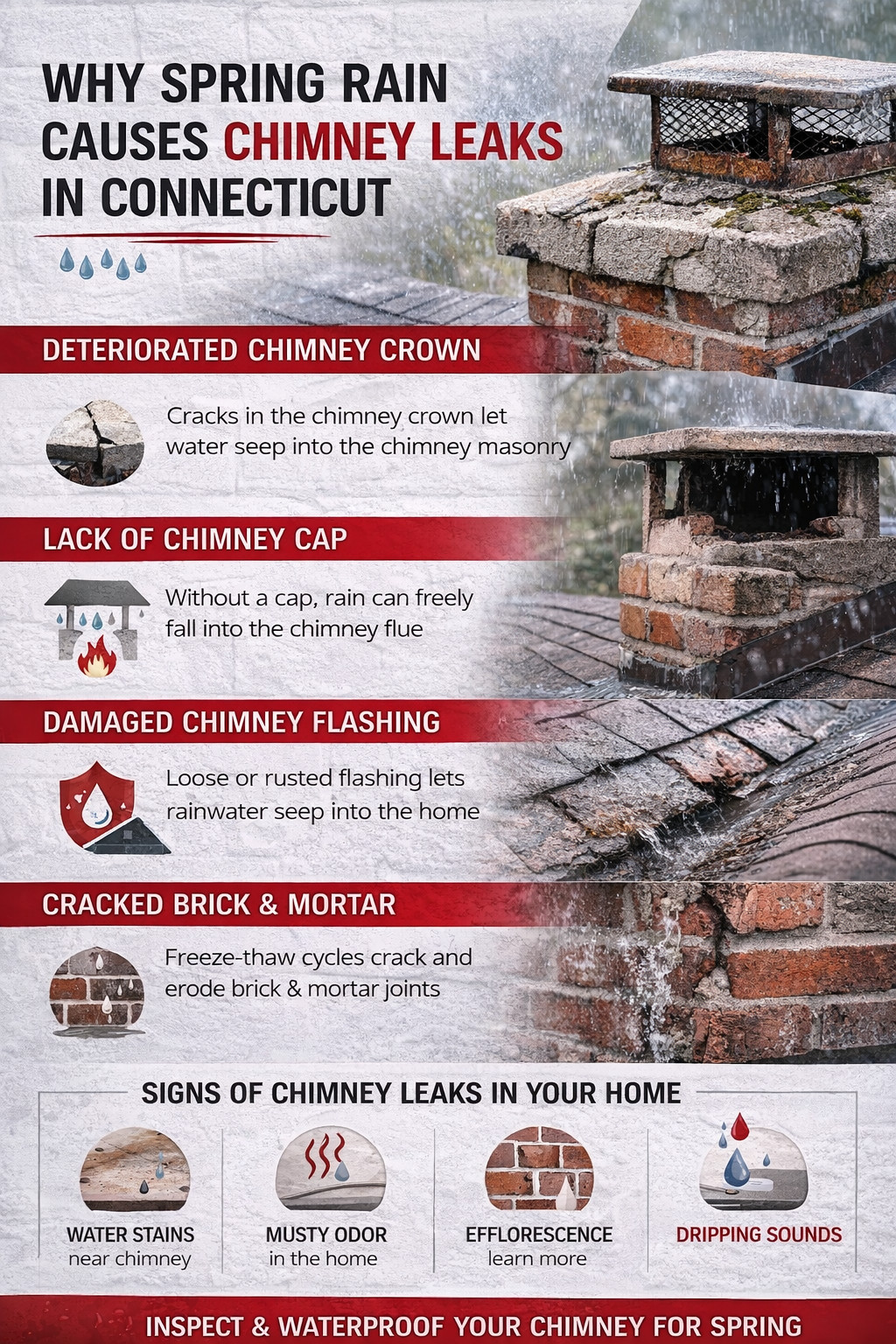
The chimney crown protects the top surface of the chimney stack from water penetration. When cracks form in the crown, rainwater enters and spreads through the masonry chimney. Freeze thaw cycles make these cracks worse each season. This leads to damaged bricks, spalling bricks, and structural integrity problems. Applying elastomeric sealants or crown repairs seals these openings and restores protection. Early chimney repair prevents expensive chimney rebuilding and protects the entire chimney system from moisture damage.
Fix Chimney Flashing to Prevent Roof Line Leaks
Chimney flashing seals the gap between the roof and chimney. Rusty flashing, loose metal strips, or cracked sealant allow water leaks to enter the home. Spring rain easily passes through these weak points and causes hidden moisture damage in ceilings and walls. Proper flashing repair stops water infiltration and restores a watertight seal. The Environmental Protection Agency explains that moisture intrusion can lead to structural damage and mold growth. Maintaining chimney flashing protects both the chimney and surrounding roof structure.
Apply Waterproofing to Protect Masonry from Water Damage
Waterproofing services apply a water repellent that protects brick and mortar without trapping moisture. Silane siloxane based repellents create a barrier that blocks rain while allowing vapor permeability. This prevents water erosion and salt deposits from forming inside masonry. Waterproofing agent application protects chimney crown surfaces, mortar repairs, and flue tile joints. According to the National Park Service, vapor permeable sealants help preserve historic homes and masonry structures. Waterproofing helps Connecticut homeowners protect their chimney during heavy spring rain.
How Long Does the Water Repellent Last?
Water repellent protection typically lasts several years depending on weather patterns and chimney condition. Connecticut’s seasonal temperature changes and storm exposure affect longevity. Over time, water resistance tests may show reduced effectiveness. Reapplying waterproofing services restores protection and prevents chimney leaks. Routine leak inspection ensures masonry stays protected and avoids expensive repairs.
Schedule Spring Chimney Inspections to Detect Early Leaks
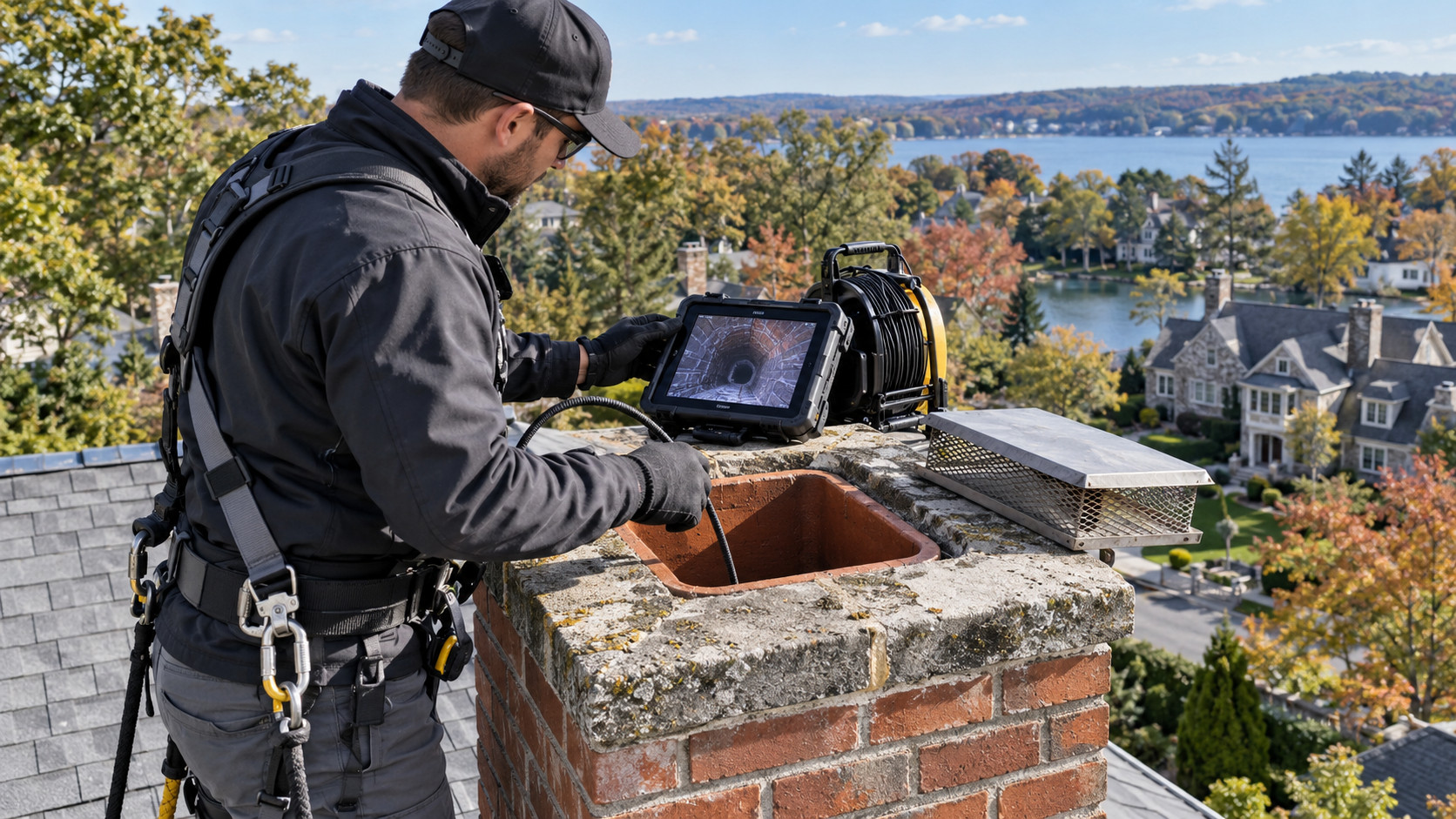
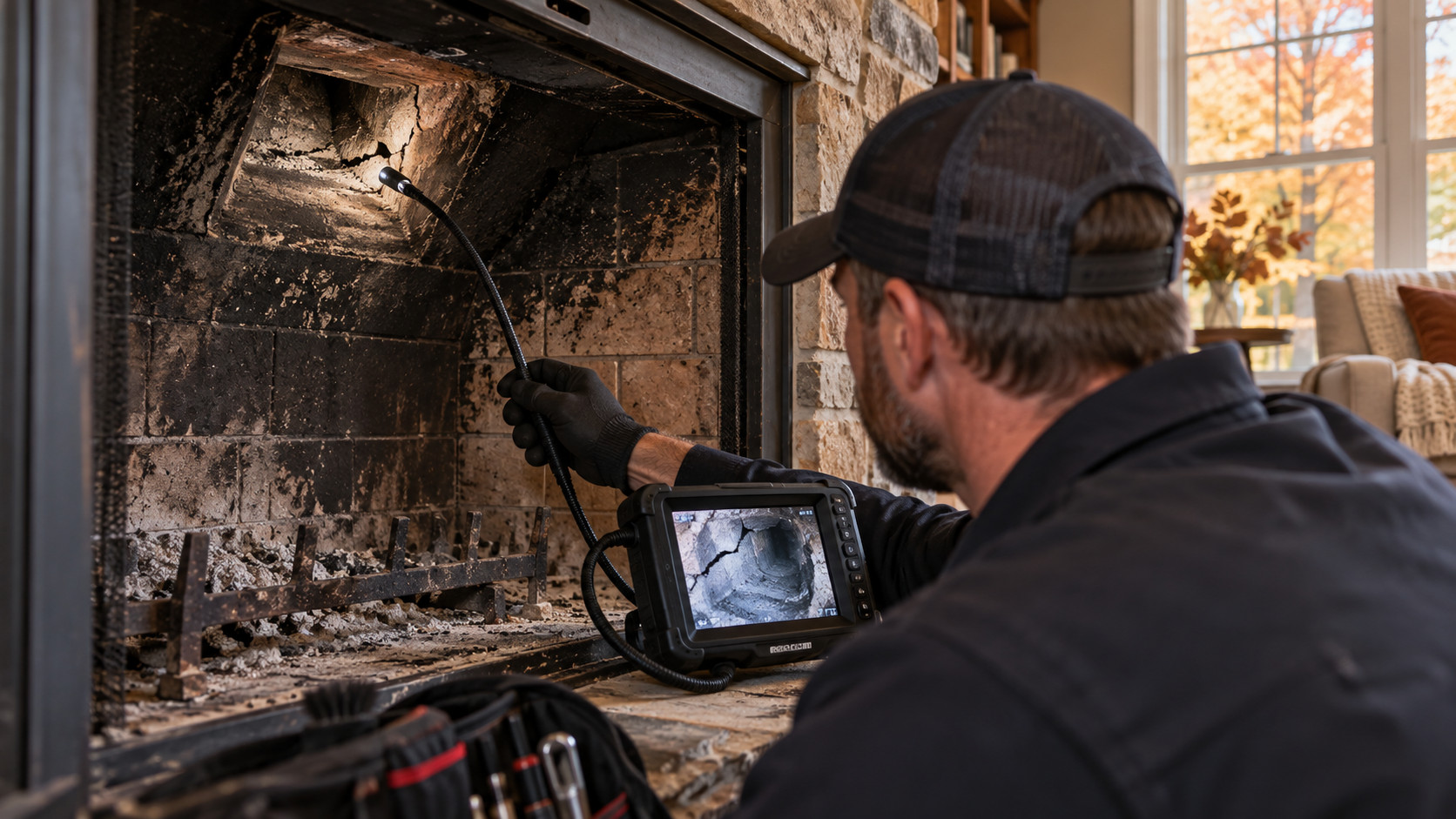
Spring chimney inspections identify early signs of water infiltration and masonry damage. Professional technicians use moisture meters and video inspection tools to evaluate the chimney flue, mortar joints, and chimney liner. These tools detect hidden leaks that are not visible from outside. Annual chimney inspection follows safety recommendations from the Chimney Safety Institute of America. Early detection allows homeowners to complete masonry repairs before leaks cause structural damage.
Can Chimney Leaks Really Damage Your Home?
Chimney leaks can cause serious damage if ignored. Water entering the chimney spreads into ceilings, walls, and insulation. This weakens structural materials and creates mold risks. Moisture also damages fireplace components and reduces home efficiency. Over time, chimney leak problems require major chimney repair and rebuilding. Preventive maintenance protects the home and reduces long term repair costs.
Protect Your Connecticut Home with Professional Chimney Leak Prevention
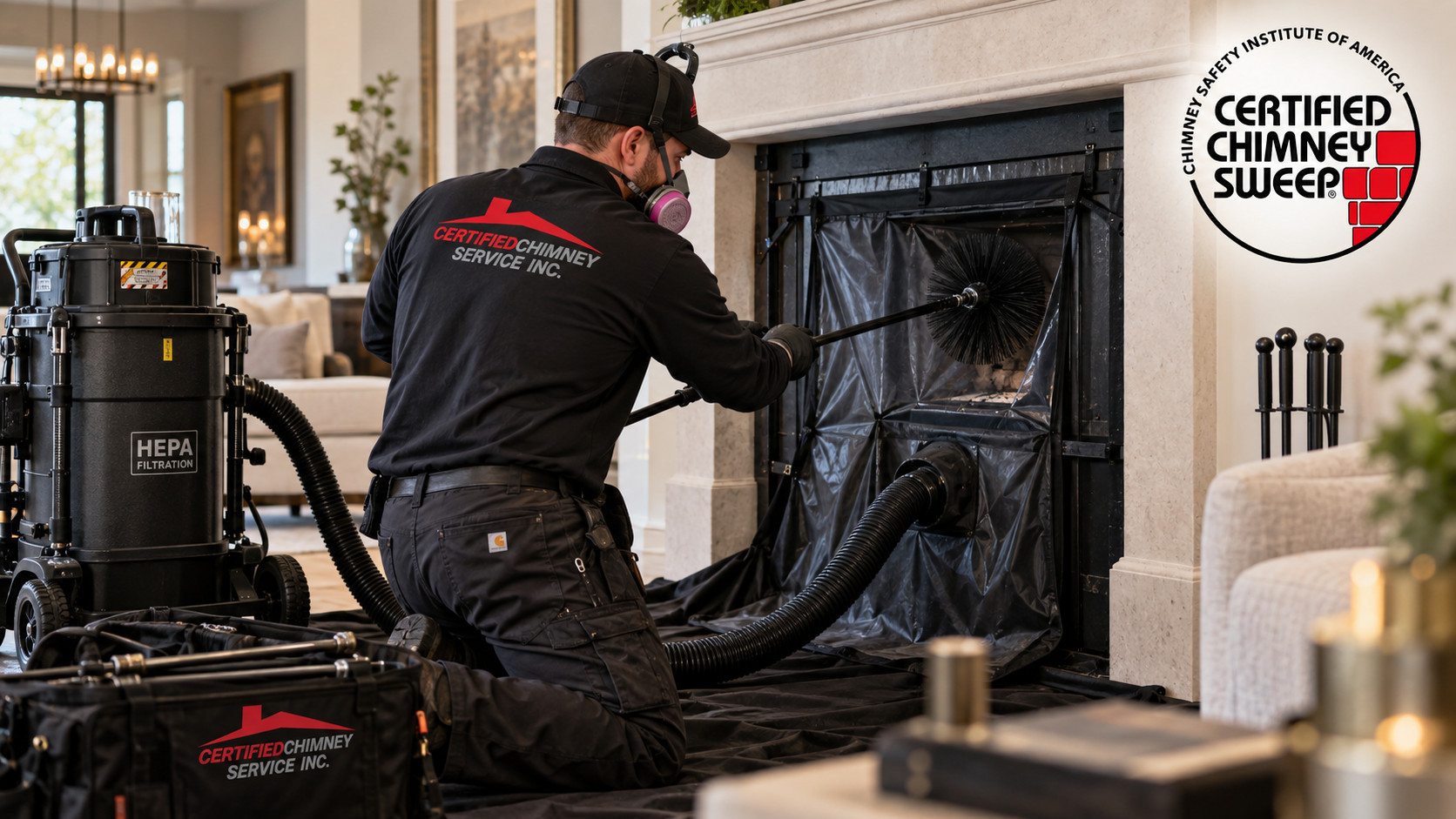
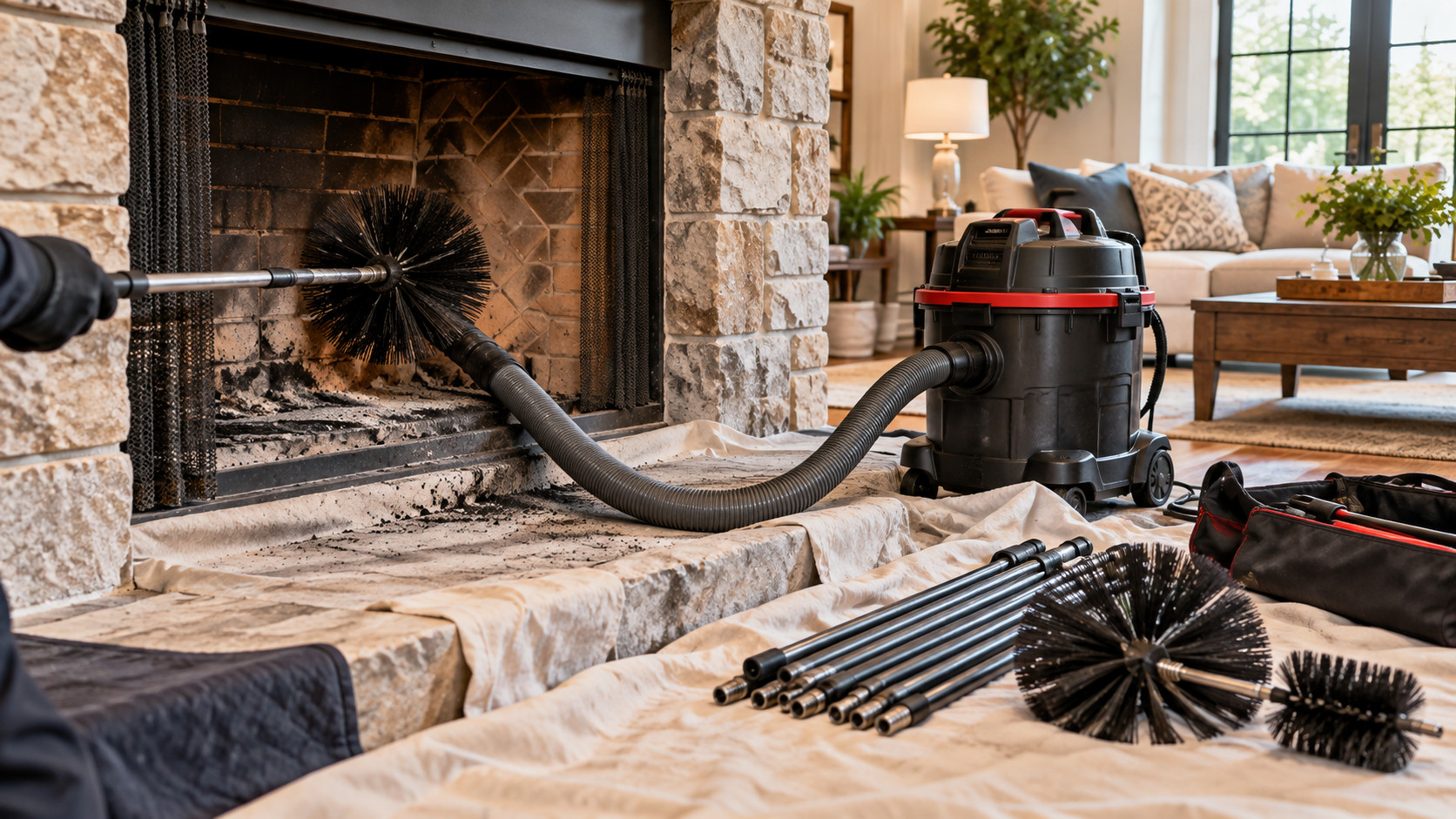
Professional chimney leak prevention helps Connecticut homeowners protect their property from spring rain damage. Certified chimney technicians provide chimney inspection, waterproofing services, and chimney cap installation. These services stop leaks and protect structural integrity. For expert help, visit Certified Chimney Connecticut leak repair and inspection services. Preventive care protects your chimney system, prevents water damage, and ensures long term safety.