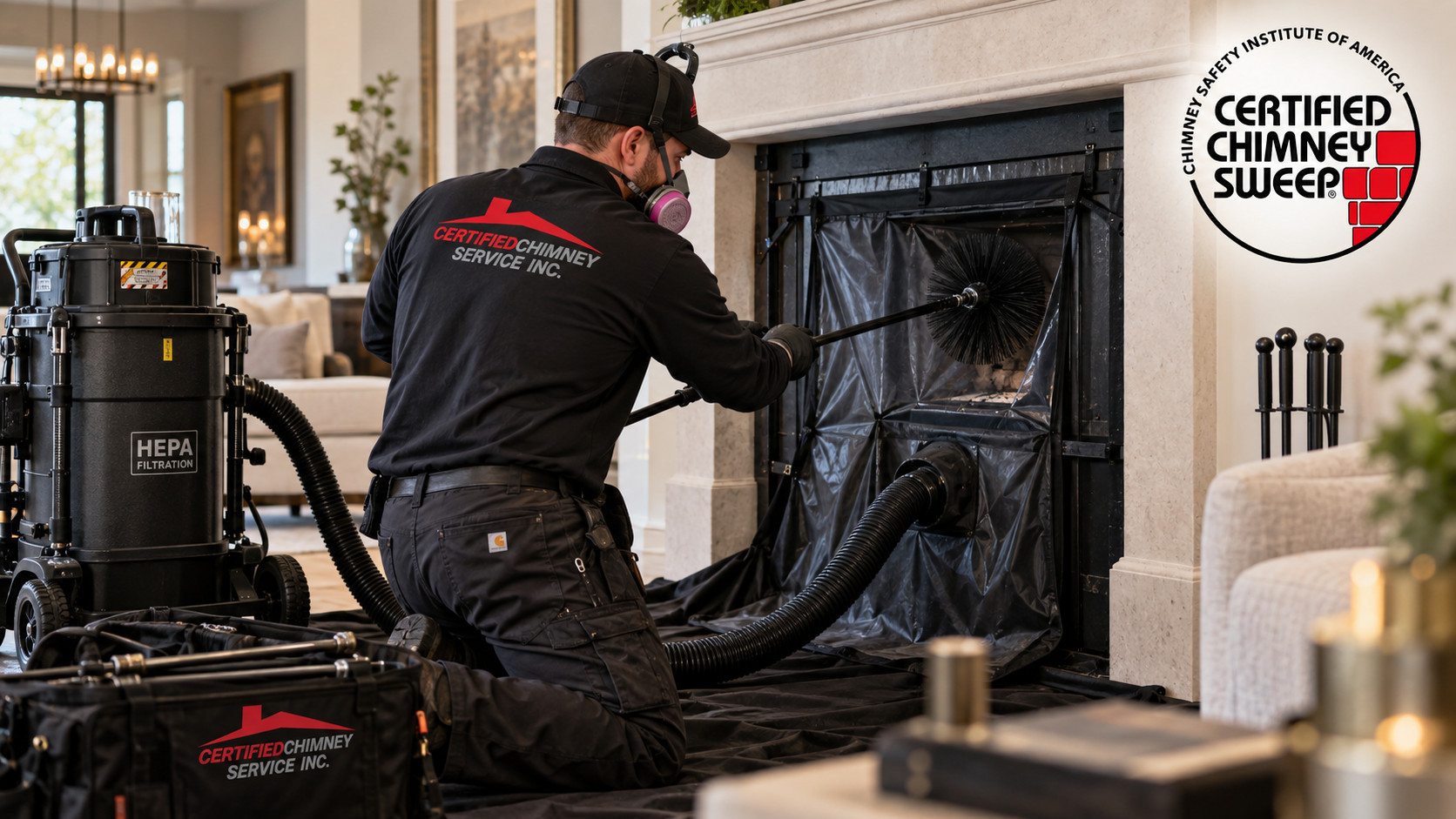
Oil to gas chimney conversion services in Connecticut help homeowners switch from fuel oil to natural gas while keeping the chimney and venting system safe. The conversion process may involve a gas boiler, gas lines, chimney liner, oil tank removal, utility coordination, and safety checks. Certified Chimney Connecticut helps inspect the chimney system before the new gas equipment is used.
Certified chimney technicians — reviewing liner sizing and venting before your gas equipment goes live.
Many Connecticut homeowners think about switching from oil to gas. Natural gas comes through pipes directly to the home. It does not need home heating oil deliveries. This can reduce oil tank concerns, improve home comfort, and support long-term cost planning. Fuel oil prices can change during cold winters, which may affect energy bills and utility bills. A gas heating system may also offer better heating efficiency when paired with energy-efficient models and proper venting. The best choice depends on natural gas main access, existing oil equipment, utility coordination, system condition, and the homeowner's long-term costs.
The oil to gas conversion process is not only a heating system installation. It also includes utility steps, gas line work, chimney inspection, equipment planning, and safety checks. Homeowners may need to confirm natural gas availability through the local gas company before starting. Connecticut Natural Gas provides a natural gas locator that helps residents check whether service may be available. Once gas supply is confirmed, the project can move into heating equipment, chimney liner review, oil tank planning, and final code-related inspections.
Common Steps in a Connecticut Gas Conversion
A chimney liner is one of the most important parts of an oil-to-gas conversion because natural gas systems create different exhaust conditions than oil equipment. Older chimneys may have clay liners that were sized for an oil boiler or oil-burning furnace. When a new gas boiler vents into an oversized flue, exhaust can cool inside the chimney and create moisture. That moisture can damage masonry and reduce the system's efficiency. Stainless steel liners, chimney lining, or chimney liner installation may be needed to match the appliance, protect the flue, and support safe draft.
Oil tank removal is often part of the conversion process, especially when the homeowner no longer plans to use home heating oil. Tank removal should be handled carefully because old oil tanks can leak, rust, or leave fuel residue behind. The Connecticut Department of Energy and Environmental Protection provides guidance on residential home heating oil tanks, including questions about underground tanks and releases. Homeowners should also coordinate with the gas utility, heating contractor, and chimney service provider so gas line work, venting, and safety checks happen in the right order.
Safety checks matter because any heating system that burns fuel must vent exhaust correctly. Poor venting, cracked liners, blocked flues, or improper chimney sizing can increase carbon monoxide risk. A chimney inspection can check for damaged liners, blocked flues, weak masonry, and moisture problems before the gas heating system starts running. Certified technicians may also review the furnace flue, chimney cap, and draft conditions. These checks help reduce fire risk, protect air quality, and support safer home heating.
Carbon monoxide cannot be seen or smelled, which makes working alarms and proper venting important. That's why the chimney inspection happens before the new gas equipment is used — not after.
Oil to natural gas conversion may support cost savings, energy efficiency, and lower environmental impact, but results depend on the home and equipment. Homeowners should compare AFUE ratings, fuel efficiency, utility rates, equipment costs, financing options, and long-term costs before deciding. Some homes may also consider heat pump systems, heat pump water heaters, mini split air conditioning, or air sealing as part of a broader comfort plan. The federal energy efficient home improvement credit may apply to certain qualified upgrades, but homeowners should confirm current rules before relying on any rebate or tax credit.
Ways Homeowners May Improve System Efficiency
Certified Chimney Connecticut helps with oil to gas chimney conversion. They also inspect chimneys, install chimney liners, repair chimneys, clean chimneys, provide chimney services, and assess venting across Connecticut. Their team helps homeowners review the chimney system before connecting new gas equipment, which helps protect safety and performance. They serve areas across Connecticut, including Fairfield County, New Haven County, West Hartford, Norwalk, and nearby communities. Homeowners can request service through Certified Chimney Connecticut to inspect the chimney liner, review venting needs, and plan the right next step.
Get your chimney and liner reviewed before your new gas equipment goes live.
Prefer to text? Message us anytime at 516-523-7255 · Open 24 hours