The sound is unmistakable: a low, vibrating rumble that mimics the approach of a distant freight train, sometimes with a roar that seems to come from inside the walls themselves. For most homeowners, that’s the first and only sign a chimney fire is happening. Understanding what’s actually going on inside the flue when that happens, and what to do about it before winter gets underway, is the real difference between passive ownership and proactive maintenance.
Worried about creosote buildup or a past chimney fire? Call 877-793-3712 for an inspection.
Chimney Fires Don’t Always Look the Way You’d Expect
Chimney fires aren’t always the roaring, spark-throwing events shown in dramatic footage. They run on a spectrum, from violent high-intensity combustion to a slow, quiet smolder that can go unnoticed for months.
An explosive fire happens when accumulated creosote ignites with enough intensity to consume the interior of the flue quickly, causing sudden, obvious structural distress. The slow-burn version is arguably more dangerous precisely because it’s quiet: the creosote smolders at temperatures high enough to damage the liner but not high enough to produce the telltale roar. These fires can burn for hours inside the flue wall itself, causing real internal damage without anyone in the house realizing anything happened.
That’s also why many Connecticut homeowners never realize a fire occurred. If it happens overnight or while everyone’s in another part of the house, there may be no noise to notice. The chimney can even seem to draw normally afterward, while cracked flue tiles or compromised mortar joints quietly let heat and carbon monoxide leak into the home’s structure.
What’s Actually Fueling the Fire
Creosote is the byproduct of incomplete wood combustion. It condenses on the cool inner walls of the chimney and progresses through three stages: light and flaky, sticky or tar-like, and finally glazed. Glazed creosote is highly combustible, essentially a layer of dried fuel waiting for a spark, and once lit, it releases far more thermal energy than the chimney structure is built to handle.
Restricted airflow is usually what gets a chimney to that point. When the damper is closed too tightly or the air supply is limited, the fire burns cooler and produces heavier smoke carrying unburned hydrocarbons, which cool against the flue walls and turn into creosote. Burning unseasoned wood makes it worse: the moisture in green wood absorbs heat that would otherwise go toward a hotter, cleaner burn, and the extra water vapor bonds with soot to form the thick, sticky creosote that burns the fastest.
What Happens Inside the Structure During a Fire
| Chimney type | What extreme heat does to it |
|---|---|
| Masonry (clay tile liner) | Thermal shock makes tiles expand faster than surrounding masonry, cracking or shattering them |
| Factory-built metal | Extreme heat can warp inner walls or break seals between layers, compromising the clearance-to-combustibles rating |
Once a liner is cracked or a metal chimney’s seal is breached, the system stops doing its one job: keeping heat and flame away from the wood framing around it. A chimney fire rarely stays contained to the flue. As heat radiates out through cracks, it heats nearby framing, roofing material, or drywall, which is exactly how a chimney fire turns into a house fire.
Why Connecticut’s Climate Raises the Risk
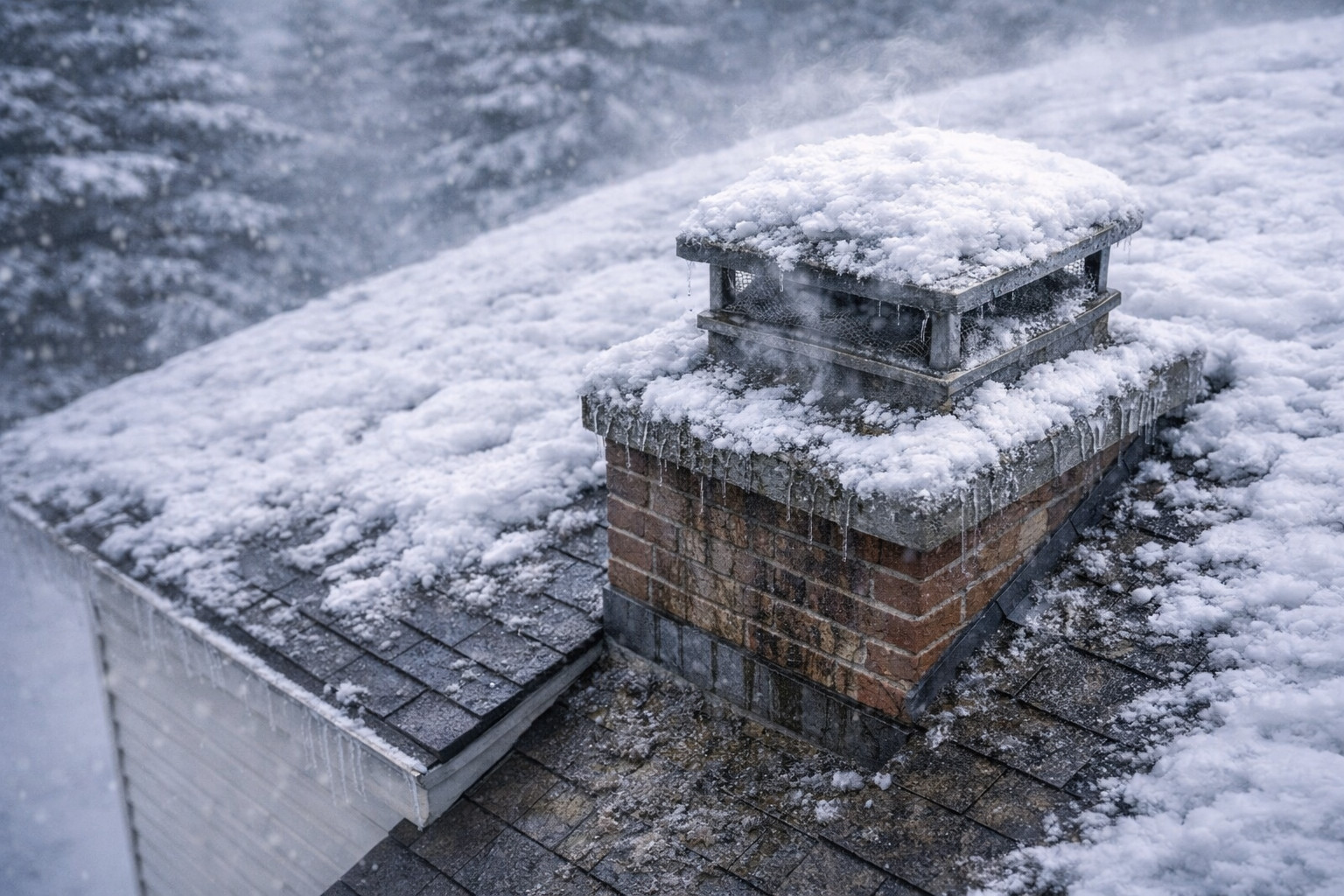
Humid summers and damp autumns speed up masonry decay, letting moisture work its way into porous brick and mortar. That sets up spalling, where the brick face flakes off, and once winter arrives, the same trapped moisture freezes and expands, widening cracks and loosening the flashing that seals the chimney against the roof. Loose flashing lets even more water into the chimney chase, accelerating both creosote buildup and structural decay in the same cycle.
“Shoulder season” burning habits make it worse. Quick, low-heat fires lit on chilly fall or spring nights are a leading cause of glazed creosote, because the fire dies out before the chimney gets hot enough to draft properly, leaving behind a layer of moisture and soot that hardens into fuel.
Warning Signs You’re Having, or Already Had, a Chimney Fire
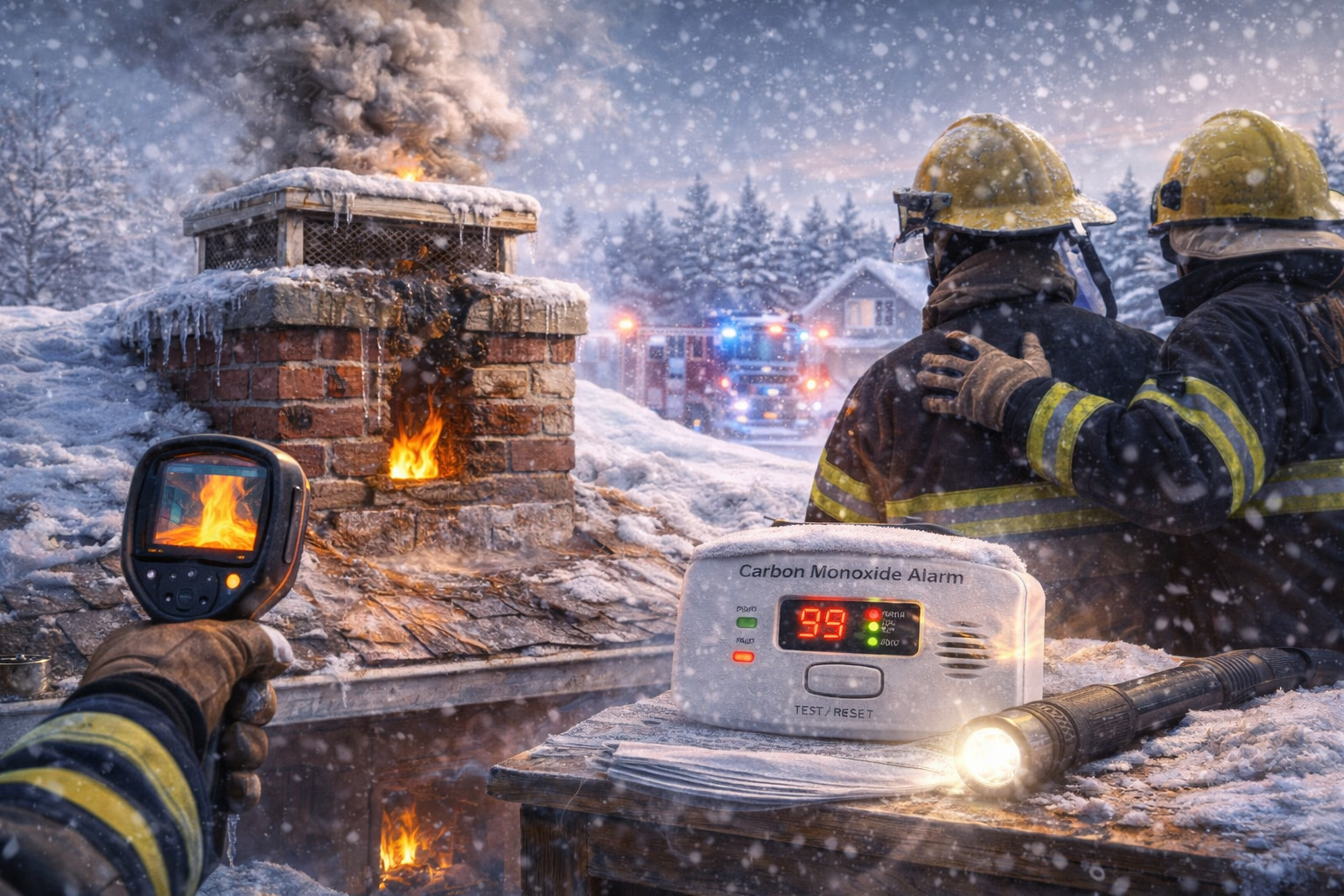
A roaring, rumbling, jet-engine sound from the chimney means a fire is happening right now. Get everyone out and call emergency services immediately. Thick black smoke pouring from the chimney or fireplace opening, even without that sound, is also a clear sign something is burning that shouldn’t be.
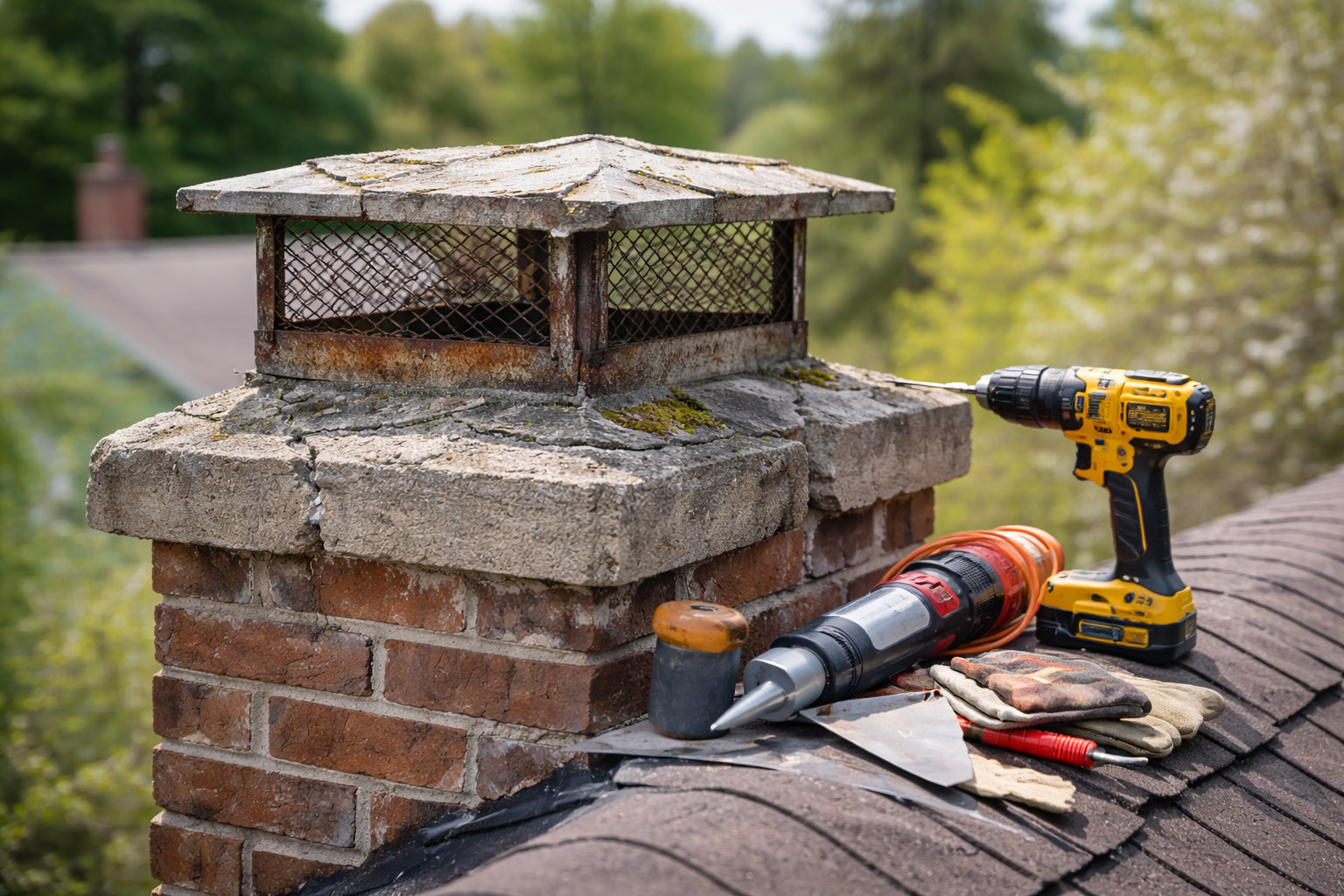
After the fact, the evidence is more subtle. Warped metal on the chimney cap, pieces of flue tile that have fallen into the firebox, or creosote that looks “puffy” or honeycombed are all signs a fire has already passed through the flue, even if nobody in the house noticed at the time.
A chimney that’s had a fire doesn’t repair itself. The damage to the liner is cumulative, and using a chimney with a compromised liner is a lot like driving with a cracked exhaust pipe: eventually the heat and fumes find the easiest path out, which may be into your walls or living space.
What a Professional Inspection Actually Catches
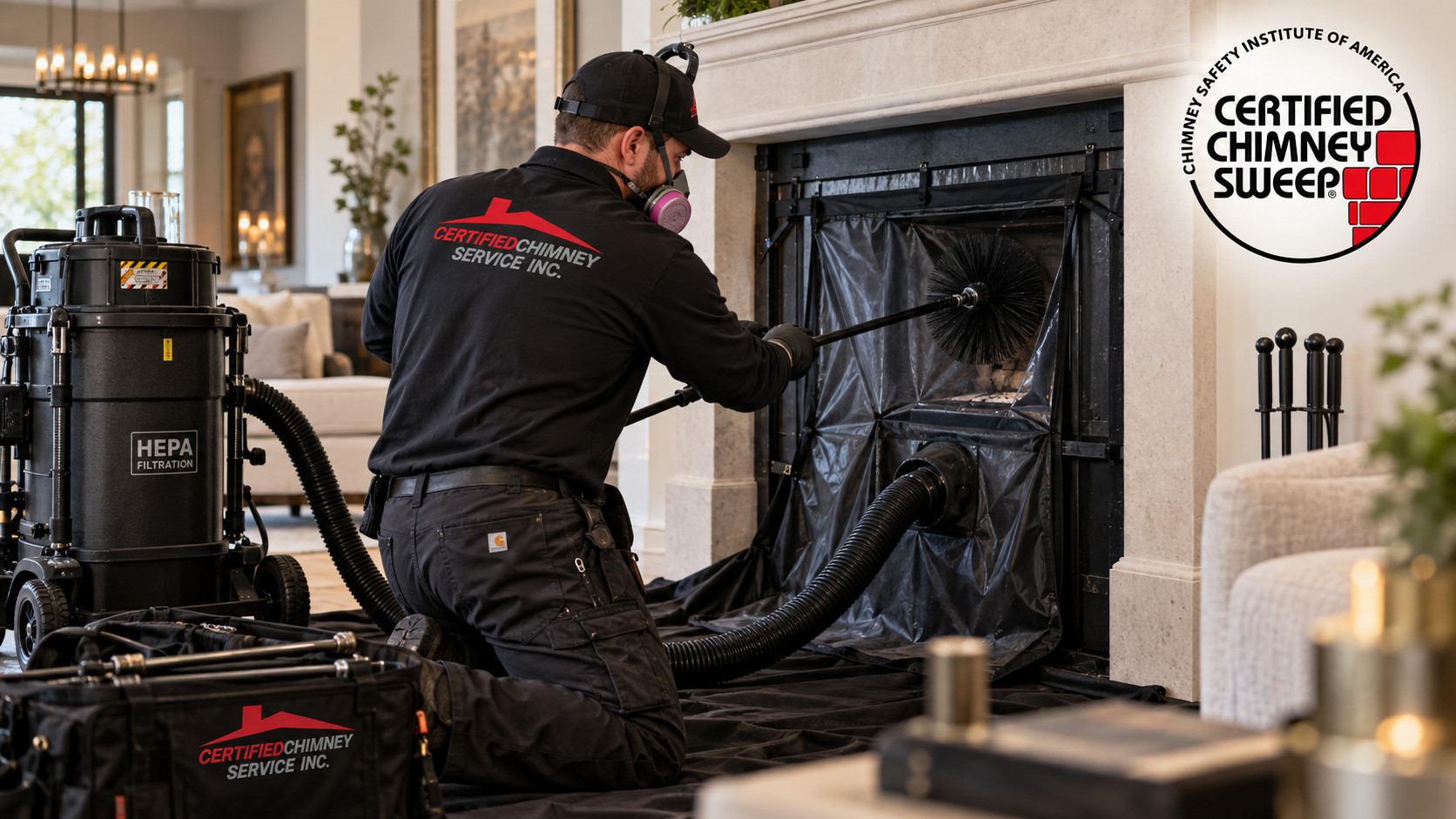
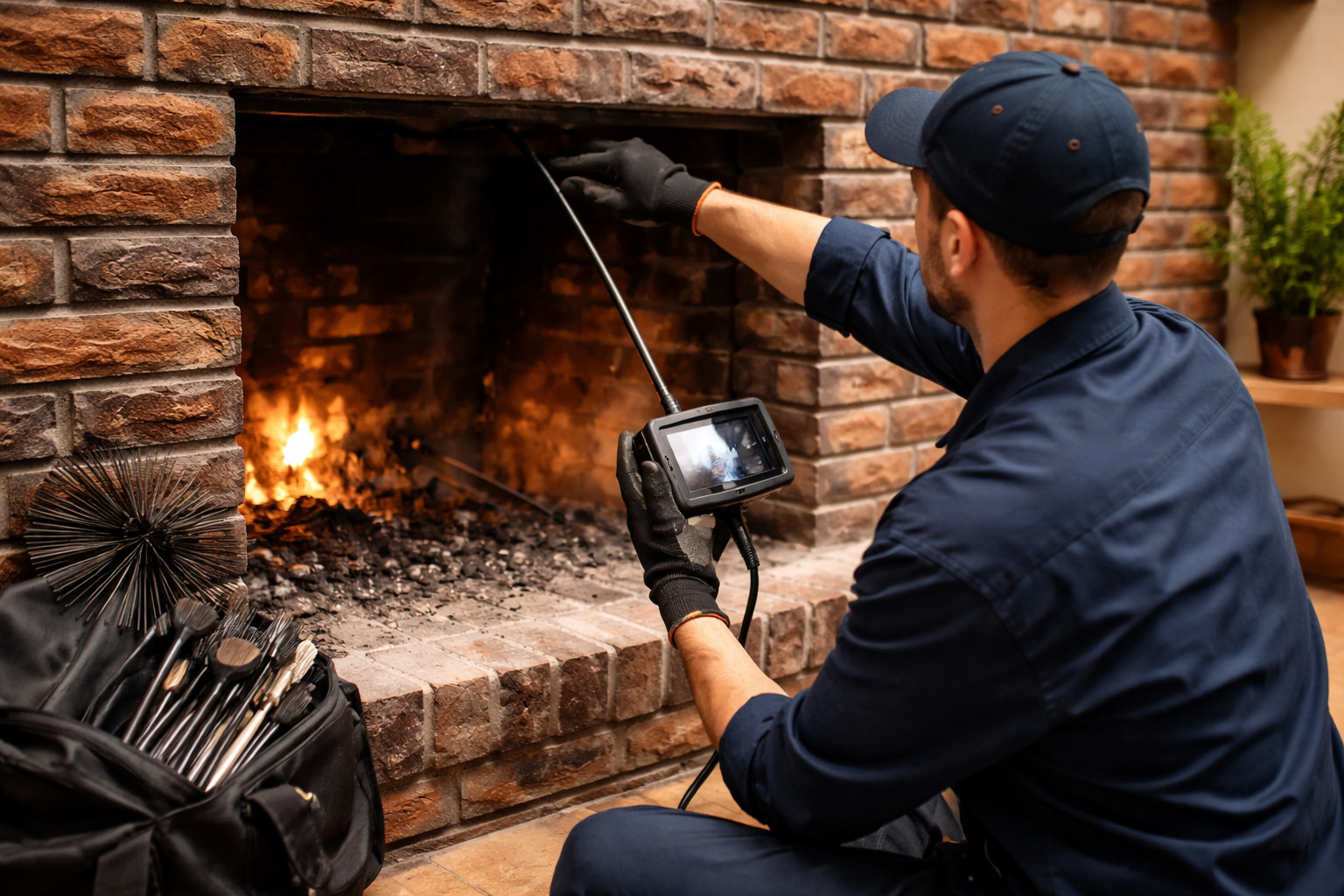
A real inspection goes well past a visual check. A CSIA certified chimney sweep examines the structural integrity of the masonry, confirms the cap is properly installed, and checks for internal debris and early signs of decay before they turn into hazards.
Inspections come in three levels. A Level 1 inspection covers routine maintenance and a basic visual check. A Level 2 is called for when something’s changed, such as after a chimney fire, a property sale, or switching appliance types. A Level 3 is the most invasive, involving removal of parts of the chimney to inspect areas that are otherwise hidden. Knowing which one your situation actually calls for keeps you from under- or over-paying for the service you need.
Hardening Your Home Against the Next Fire
A cracked clay liner can often be repaired, or in many cases replaced with a stainless steel liner that restores full fire-resistant performance. The chimney cap and its wire mesh do double duty: keeping debris and animals out of the flue while also acting as a spark arrestor that stops embers from reaching the roof, which matters a lot in a state with as much tree cover as Connecticut.
Tuckpointing (replacing eroded mortar) paired with a breathable waterproofing treatment keeps the freeze-thaw cycle from doing its usual damage to the masonry. A damper and firebox in good shape matter too, since a damper that doesn’t seal properly is one more way low-heat, high-smoke conditions build up creosote faster than they should.
Burning Habits That Actually Reduce Risk
Always burn wood that’s been seasoned for at least a year. Build smaller, hotter fires rather than large smoldering ones, since complete combustion is what keeps creosote from forming in the first place. Never burn household trash, glossy paper, or painted wood, all of which introduce chemicals that speed up creosote buildup well beyond what seasoned firewood produces.
Frequently Asked Questions
How do I know if I’ve already had a chimney fire without realizing it?
Look for warped metal on the cap, flue tile fragments in the firebox, or creosote with a puffy or honeycombed texture. Any of these means a professional inspection should happen before the fireplace is used again.
Is a slow, quiet chimney fire really more dangerous than a loud one?
In some ways, yes. It can burn for hours without anyone noticing, causing real damage to the liner that only shows up later as a safety hazard.
How often should a Connecticut homeowner get a chimney inspection?
Once a year at minimum, ideally before the heaviest part of the heating season. If anything’s changed, like a chimney fire, a home sale, or a new appliance, a Level 2 inspection is the right call regardless of when the last one happened.
Local Resources on Chimney Fire Safety (click to expand)
A clean, well-maintained chimney is the single best defense against a fire you never see coming. Call Certified Chimney Service at 877-793-3712 to schedule an inspection, or request service online and we will follow up with a time that works.