Moisture, water intrusion, and musty smells
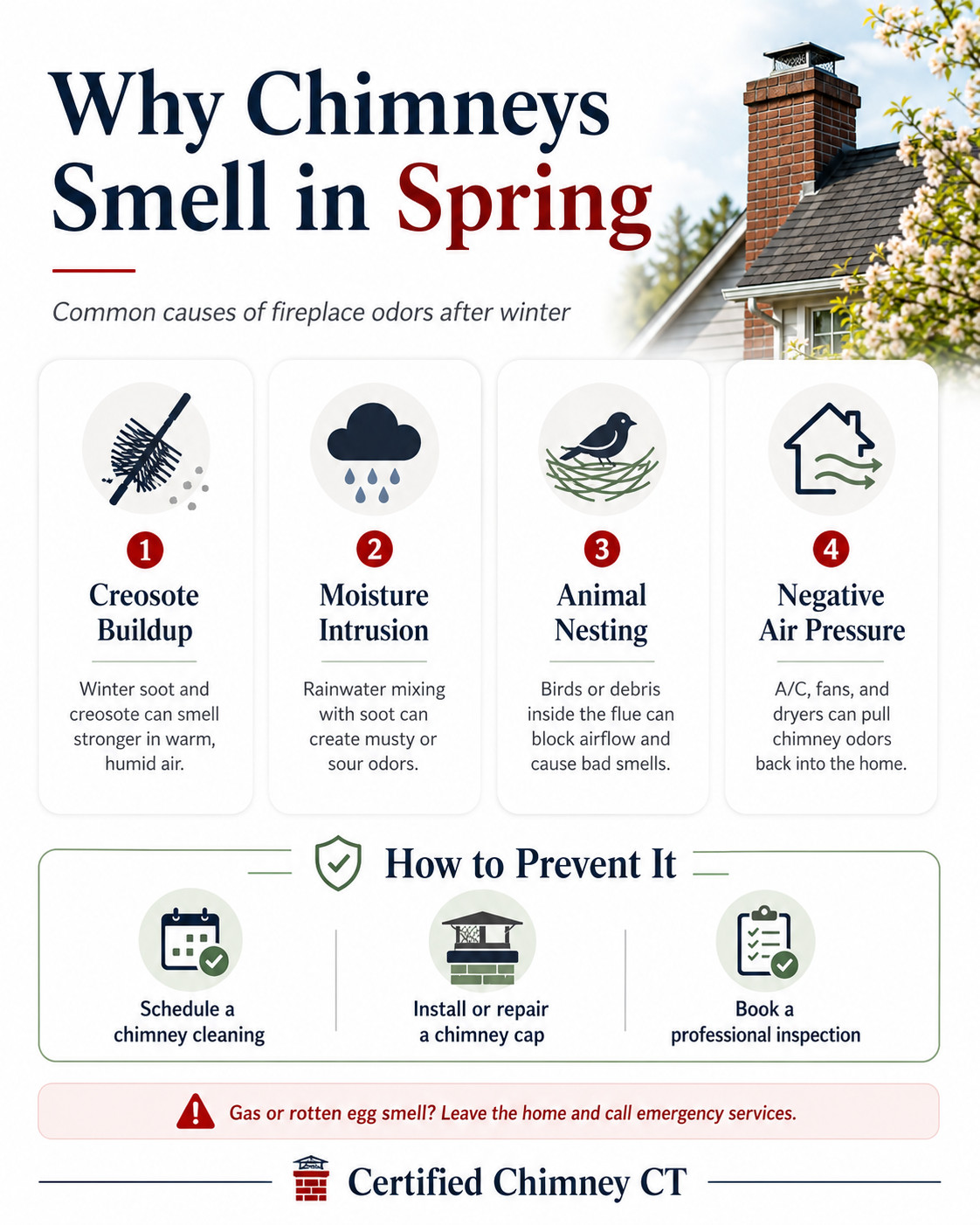
A musty smell in your fireplace often points to water intrusion or moisture infiltration. Rain can enter through a missing chimney cap, cracked chimney crown, open masonry joints, or leaky chimneys. Once water mixes with soot, ash, and creosote deposits, the odor can become damp, sour, or mildew-like. Water damage can also lead to mold and mildew, chimney liner deterioration, masonry repair needs, and airflow issues. Waterproofing treatments, crown repair, a top-sealing damper, and a properly fitted chimney cap can help reduce water leaks and odor problems.
Animal activity, nesting, and organic blockages
Animal activity can also cause chimney odors in spring. Birds, squirrels, raccoons, and other wild animals may enter through an open chimney top or damaged cap. Nesting materials, animal debris, bird feces, and organic blockages can create strong smells and draft issues. Chimney swifts are also protected under federal law, so active nests must be handled carefully. The U.S. Fish and Wildlife Service explains that chimney swifts are protected by the Migratory Bird Treaty Act. A chimney cap helps prevent animal intrusion after the flue is clear.
How negative air pressure pulls odors inside
Negative air pressure can pull chimney odors into the living space instead of letting them rise out of the flue. This often happens when air conditioning, kitchen fans, bathroom fans, dryers, or tight HVAC systems pull more air out of the home than they bring in. As air pressure changes, the chimney can become the easiest path for replacement air. That can drag a smoky smell, creosote odor, or musty scent from chimney flues into the house. Drafting issues should be checked during a chimney inspection.
When a sulfur-like scent needs fast attention
A sulfur-like scent or rotten egg smell should be treated differently from normal chimney odors. That type of smell may point to a gas leak, especially if the home has gas log sets, gas appliances, or other fuel-burning equipment. Carbon monoxide is also a concern because it cannot be seen or smelled. The EPA recommends carbon monoxide detectors and regular professional service for fuel-burning appliances, chimneys, and flues through its carbon monoxide safety guidance. If you suspect gas or carbon monoxide, leave the home and call the proper emergency service.
How to stop bad fireplace odors before next spring
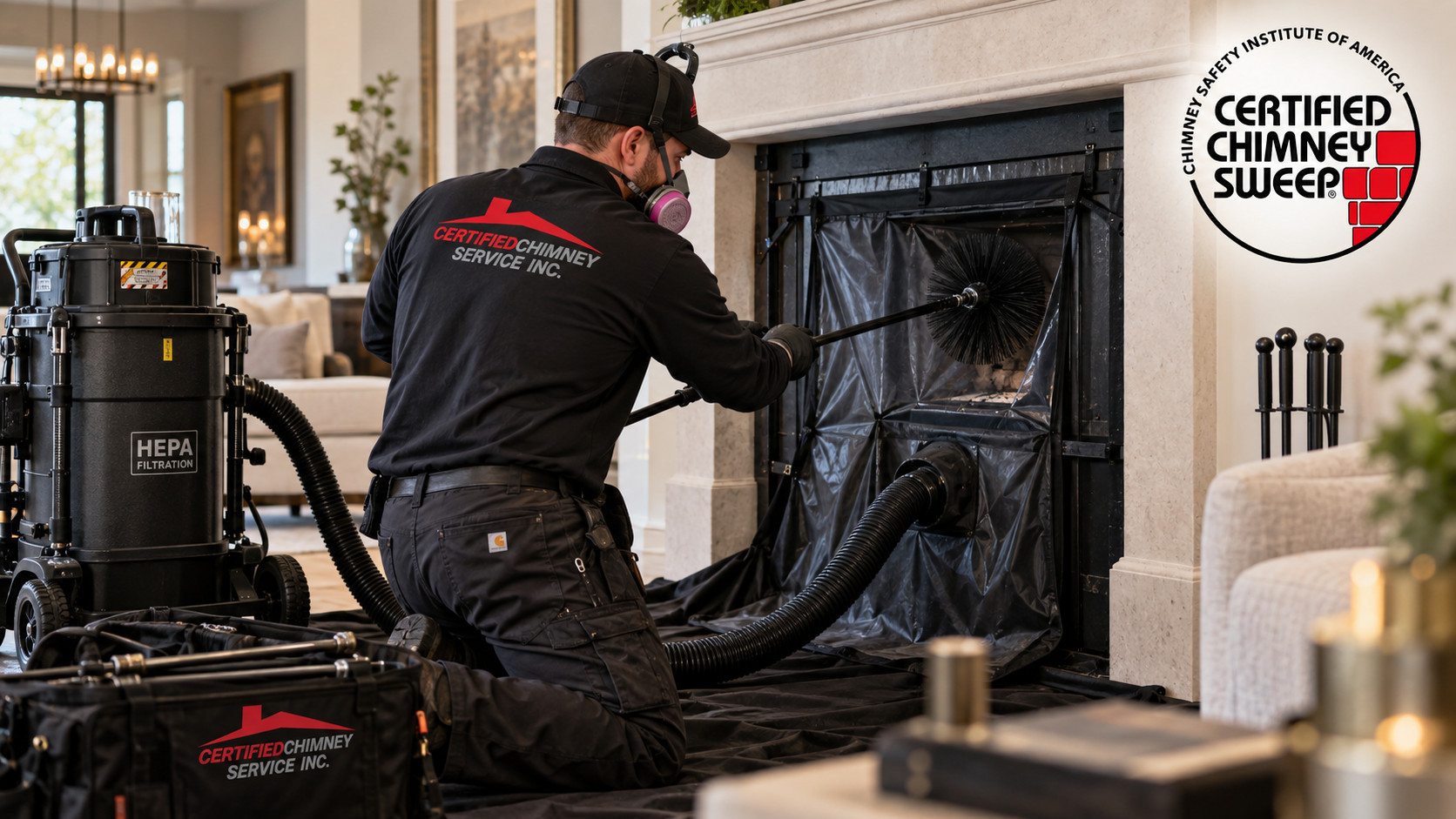
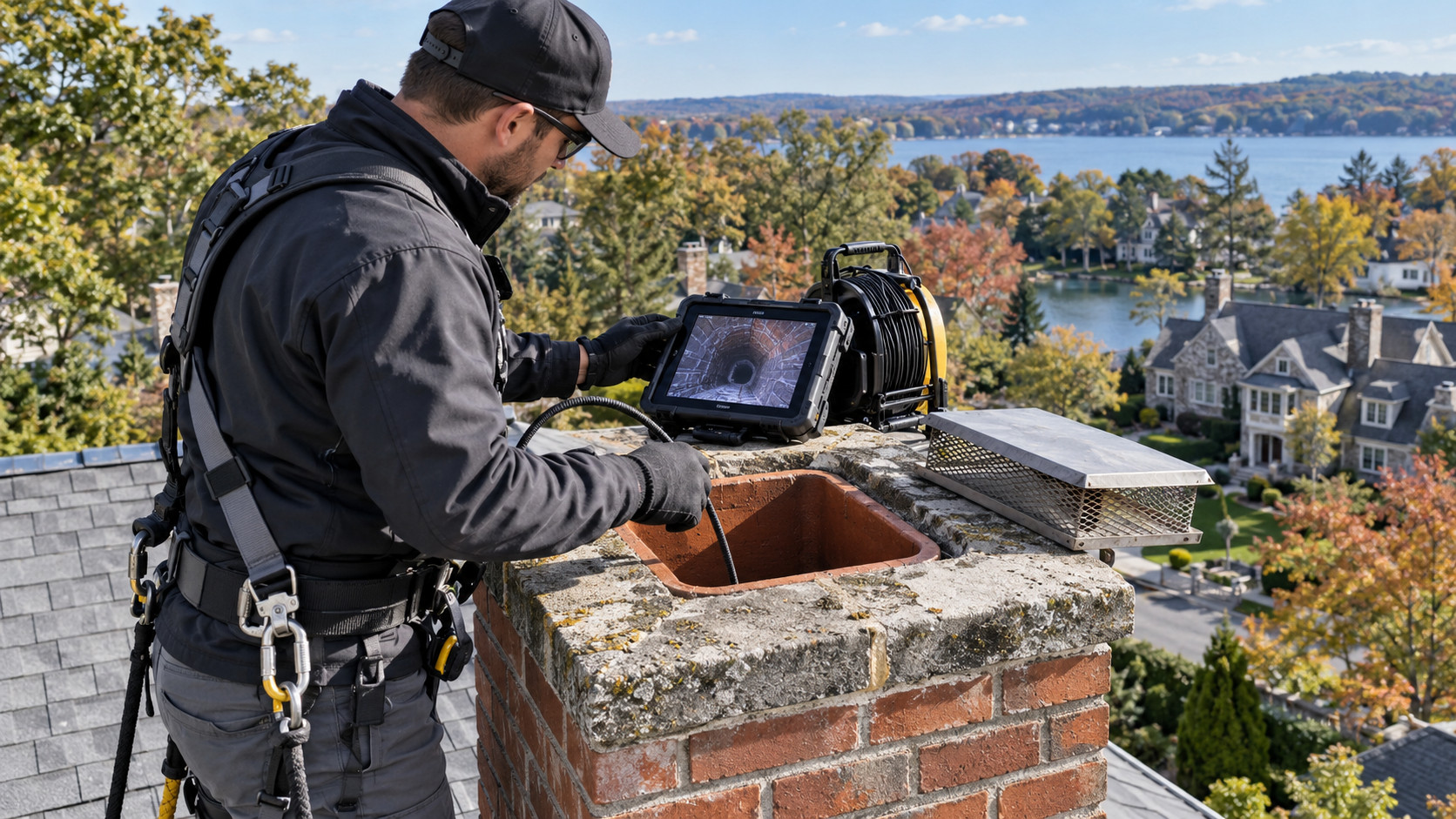
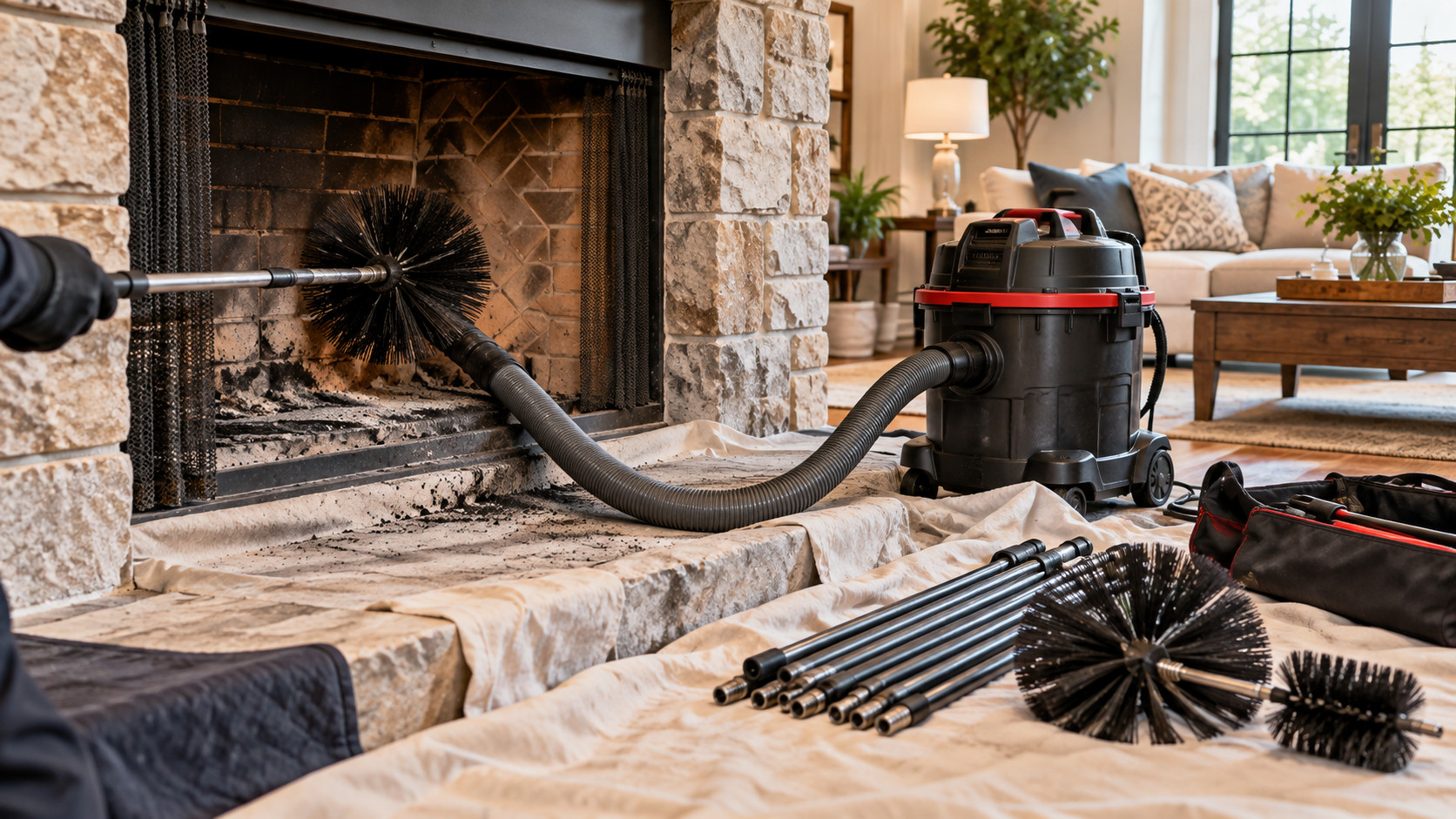
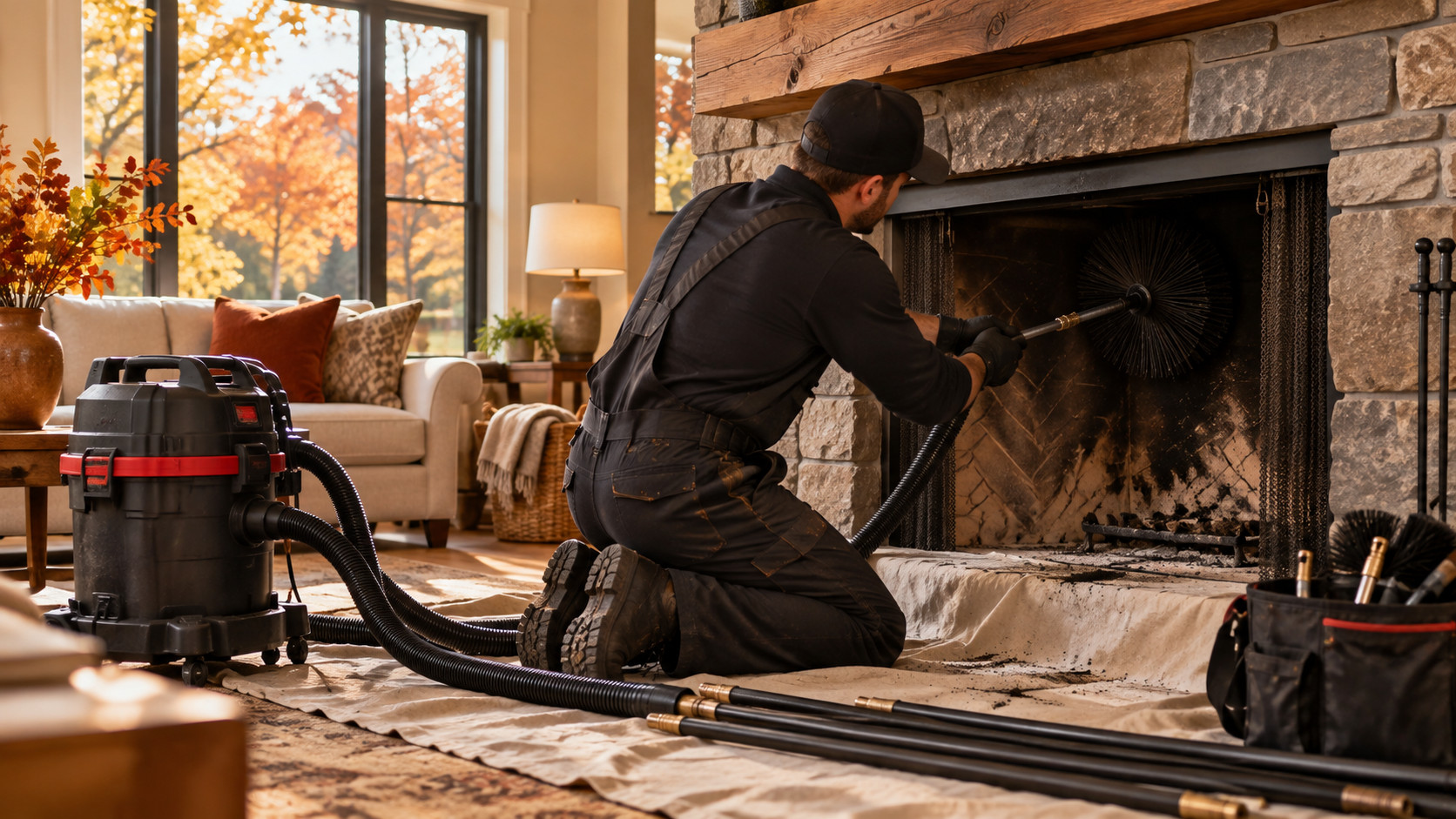
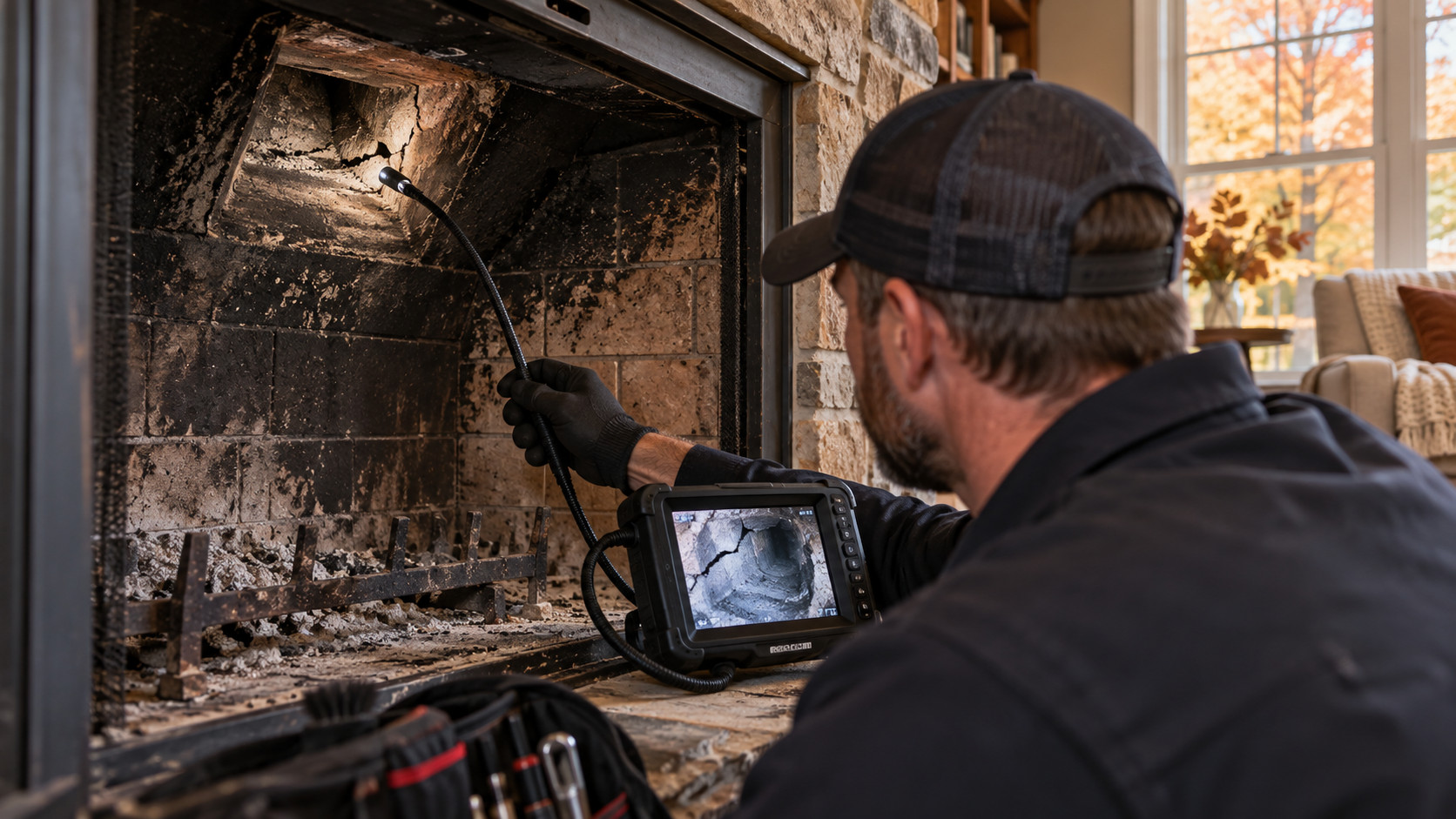
The best way to stop bad fireplace odors is to schedule seasonal maintenance after the burning season. CSIA-certified technicians can perform chimney cleaning, video scanning technology, chimney repair, deodorizing treatments, and a professional chimney inspection to check the chimney liner, smoke chamber, flue system, cap, crown, and masonry. They can also look for water leaks, animal nesting, airflow issues, and fire hazards. Certified Chimney Connecticut helps Connecticut homeowners prepare their chimney before warm weather makes odors worse. A clean, dry, capped chimney is less likely to smell next spring.