Why Connecticut weather is hard on chimney masonry
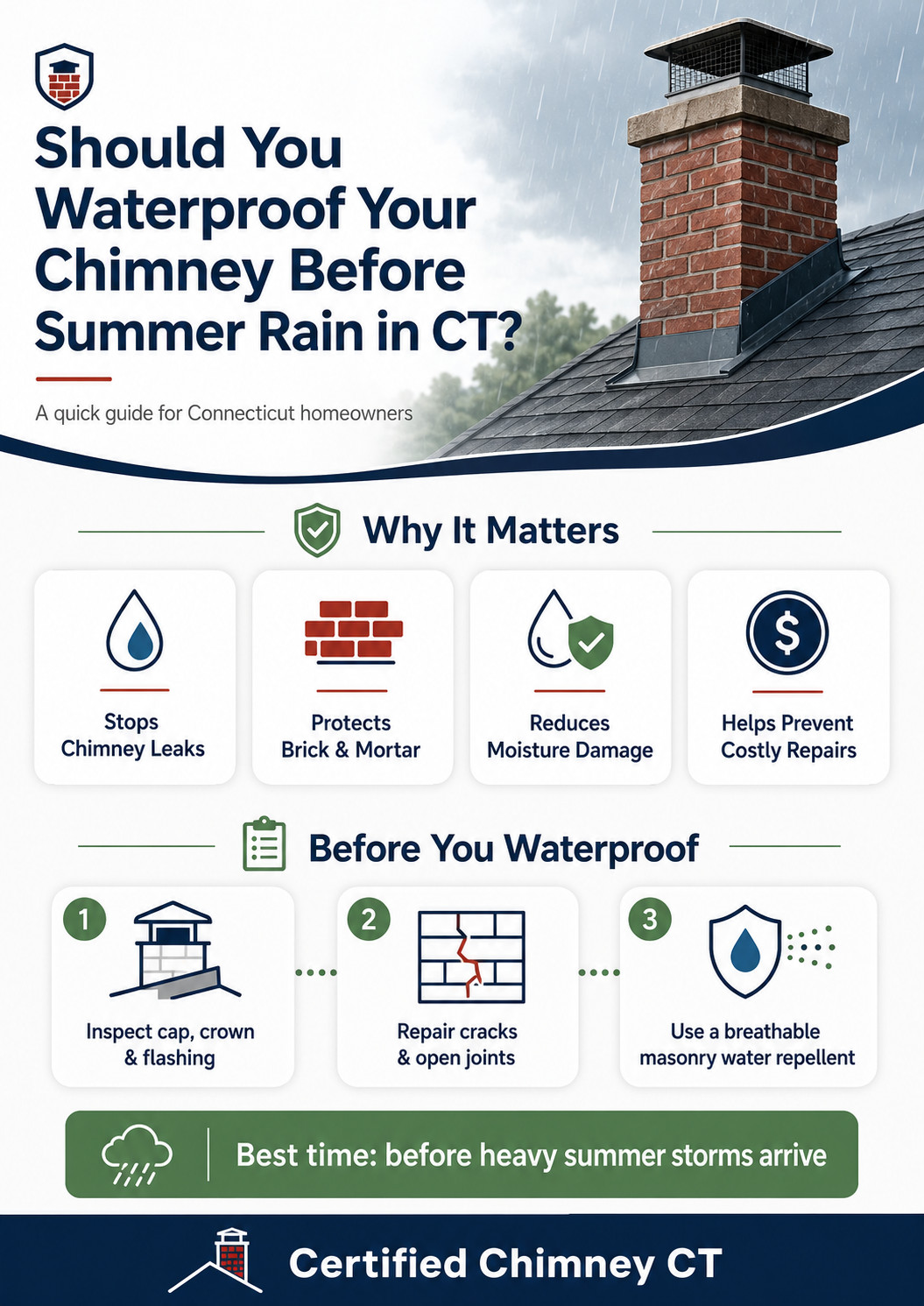
Connecticut weather conditions can be tough on chimney systems because the state sees summer storms, winter freezing, humid air, and seasonal rain. When water enters the masonry during warm months, it may stay inside the bricks and joints. Later, the freeze-thaw cycle can make that trapped water expand and break the masonry apart. This freeze-thaw process can create crumbling bricks, chimney leaks, and larger chimney repairs. Homes in Fairfield County, Milford, Hamden, and other Connecticut areas benefit from inspection visits before heavy summer weather exposes weak areas.
How summer storms lead to water intrusion
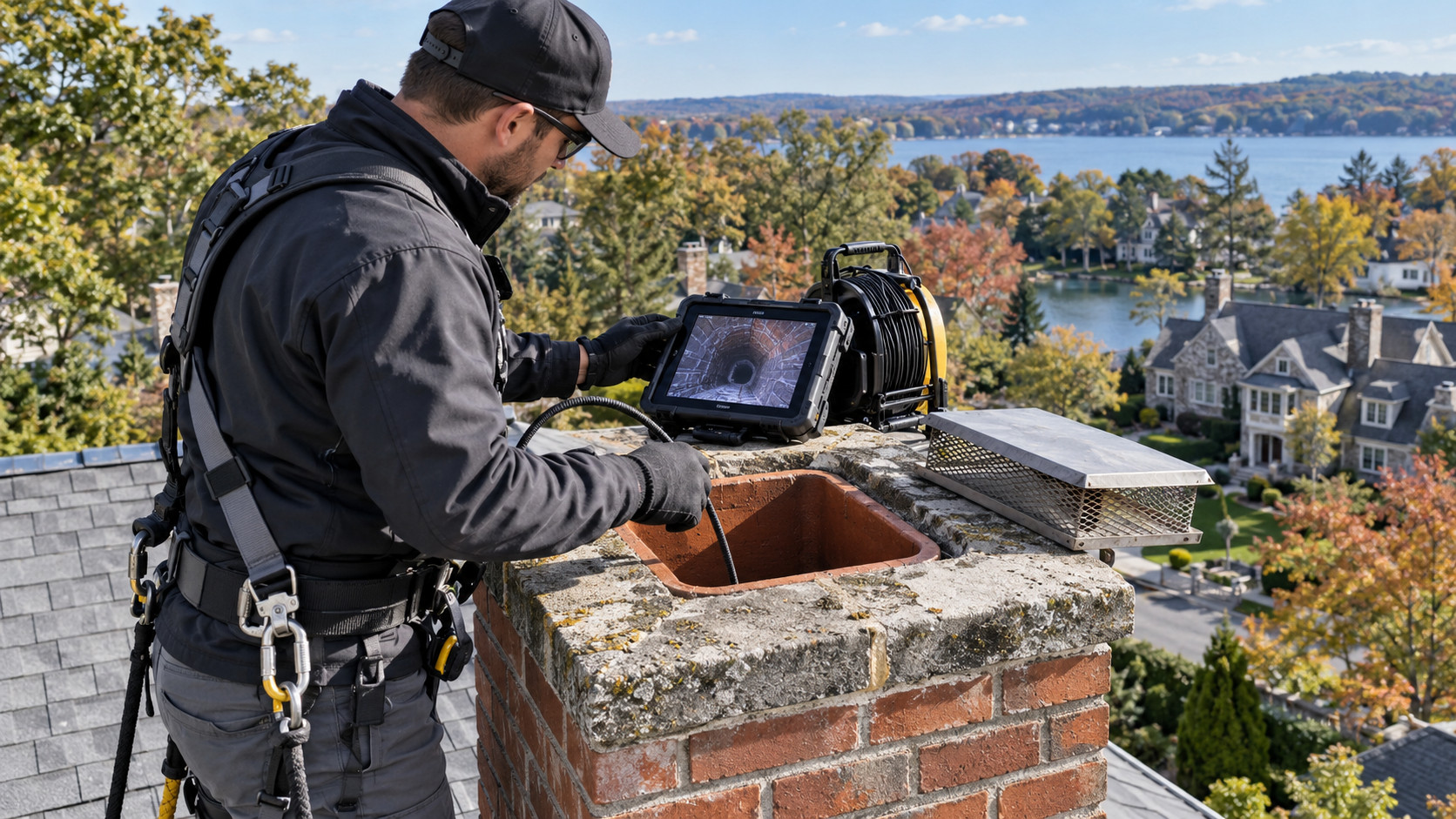
Summer storms can push rain into small openings around the chimney crown, flashing, cap, and mortar joints. If the chimney cap is missing or the concrete chimney crown is cracked, water can flow into the flue system or soak into the exterior masonry. Over time, water infiltration can damage flue tiles, rust metal parts, weaken support beams, and create stinky chimneys during the burn season. A chimney inspection helps find these issues before the next round of storms causes more weather-related damage.
Can chimney waterproofing trap moisture inside?
Chimney waterproofing can trap moisture if the wrong product is used. Paint, non-breathable sealers, or heavy coatings can block vapor from escaping and make masonry damage worse. The National Chimney Sweep Guild explains that vapor-permeable waterproofing agents allow moisture to escape while helping stop water from entering. This is why a masonry professional should use chimney-safe waterproof sealer, not a random exterior coating. The right waterproofing services protect the chimney without sealing moisture inside the brick.
Can you waterproof a chimney yourself?
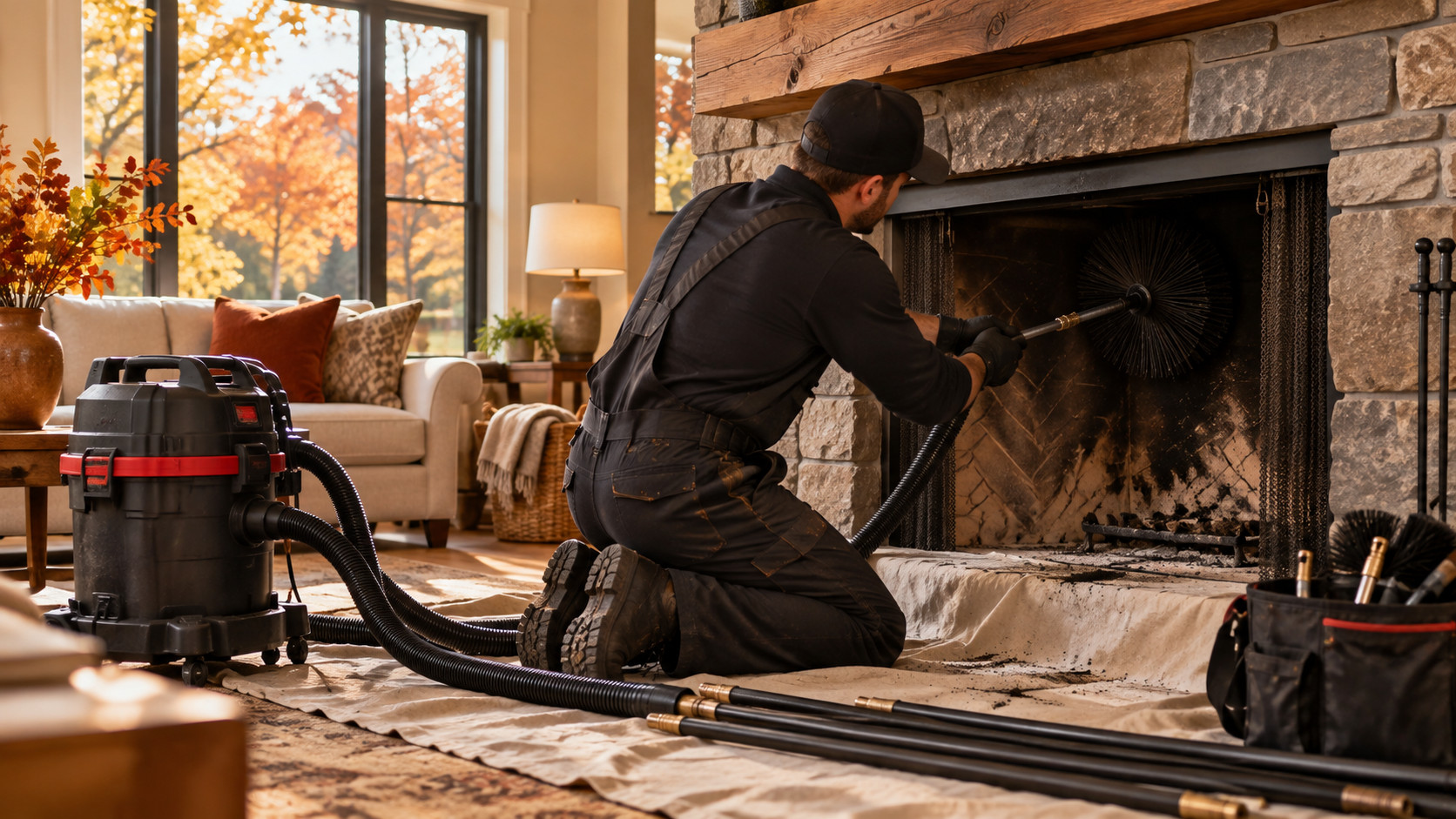
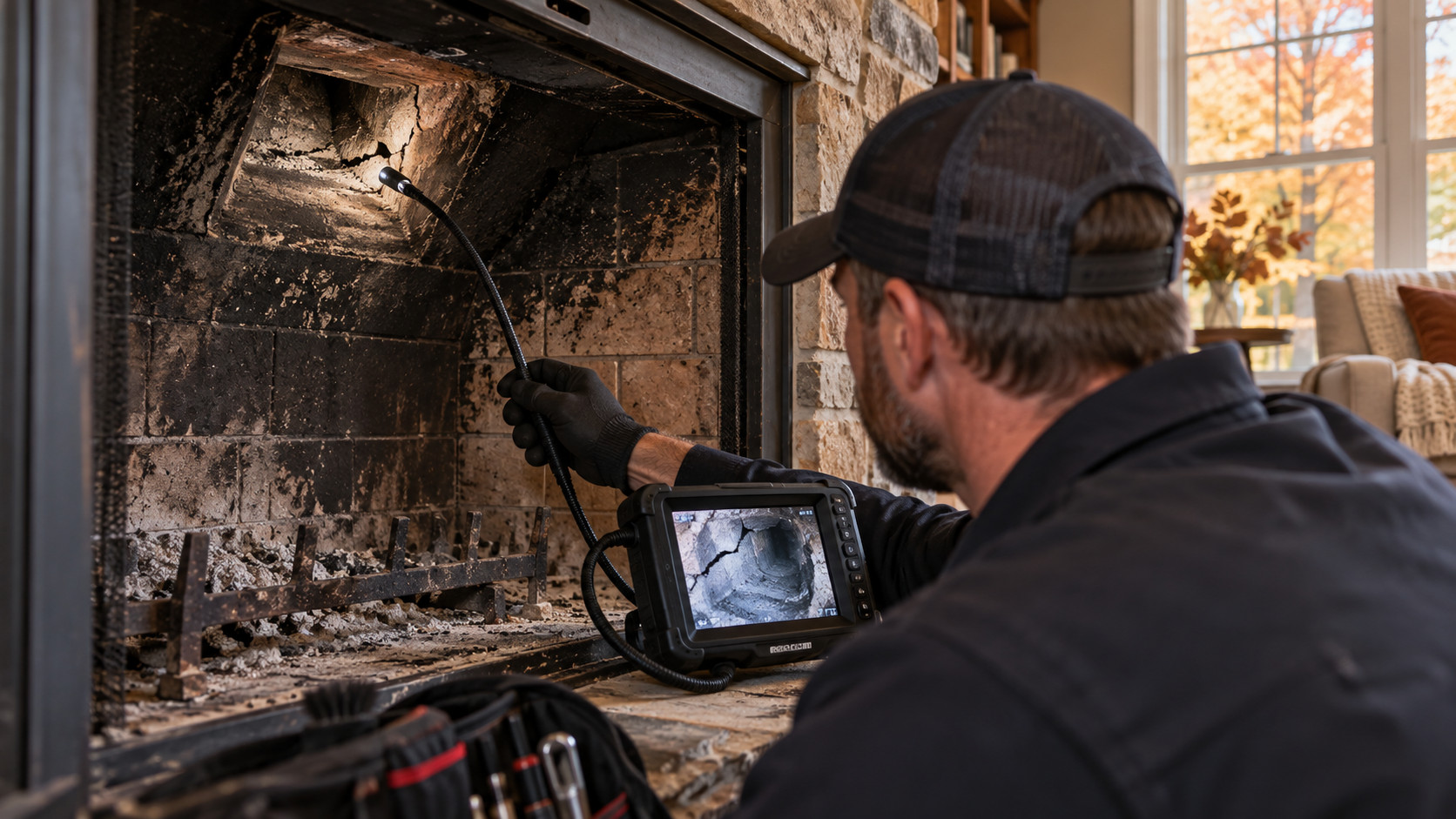
Some homeowners can buy waterproof sealant, masonry cleaner, crack and joint sealant, drop cloths, and a pump garden type spray nozzle, but chimney waterproofing is not always a simple DIY project. The chimney must be cleaned, inspected, repaired, and dry enough before a waterproof coat is applied. Power washing or pressure washing done the wrong way can force water into damaged masonry. A trained chimney technician has specialized tools to check the chimney liner, crown, flue tile, flashing, chase top, and active leaks before applying water repellent.
How long does chimney waterproofing last?
How long chimney waterproofing lasts depends on the product, weather exposure, chimney condition, and how well the masonry was prepared. Many treatments can last several years, but Connecticut freeze-thaw cycles and summer weather can shorten that timeline if the chimney already has cracks or open joints. Homeowners should ask during full system inspections how often waterproofing should be reapplied. Annual chimney inspections are still important because waterproofing does not replace chimney cleanings, cap repair, crown repair, or structural repairs when masonry is already damaged.
Is waterproofing safe for older masonry chimneys?
Waterproofing can be safe for older masonry chimneys when the right product and process are used. Older masonry materials may be softer, more porous, or already weakened by freeze and thaw cycles. If a waterproof sealant is applied before cracks, gaps, and loose bricks are repaired, the chimney may continue to deteriorate. A masonry professional should check the chimney crown, mortar joints, masonry bricks, and flue tiles first. Silicone-based sealants, water repellent treatments, and waterproofing services should be chosen based on the chimney’s condition.
Will waterproofing change how my brick chimney looks?
Professional chimney waterproofing usually should not change how a brick chimney looks when the correct breathable water repellent is used. The treatment is designed to soak into the masonry and create a barrier, not coat the surface like paint. Some products may slightly darken older brick at first, but the finished look is usually natural. A chimney technician can test a small area if appearance is a concern. This helps homeowners protect the chimney while keeping the exterior style of the home intact.
Schedule chimney waterproofing in Connecticut
Certified Chimney Connecticut provides chimney waterproofing, chimney inspection, chimney repairs, chimney sweep services, chimney cleanings, chimney cap repair, chimney crown repair, waterproofing services, masonry repair, and full system inspections for Connecticut homeowners. The National Fire Protection Association provides chimney and fireplace safety standards, which is why inspections matter before and after repair work. If your chimney has water intrusion, crumbling bricks, leaky chimney signs, animals and nesting problems, or moisture damage, visit Certified Chimney Connecticut to schedule service before summer rain causes more damage.