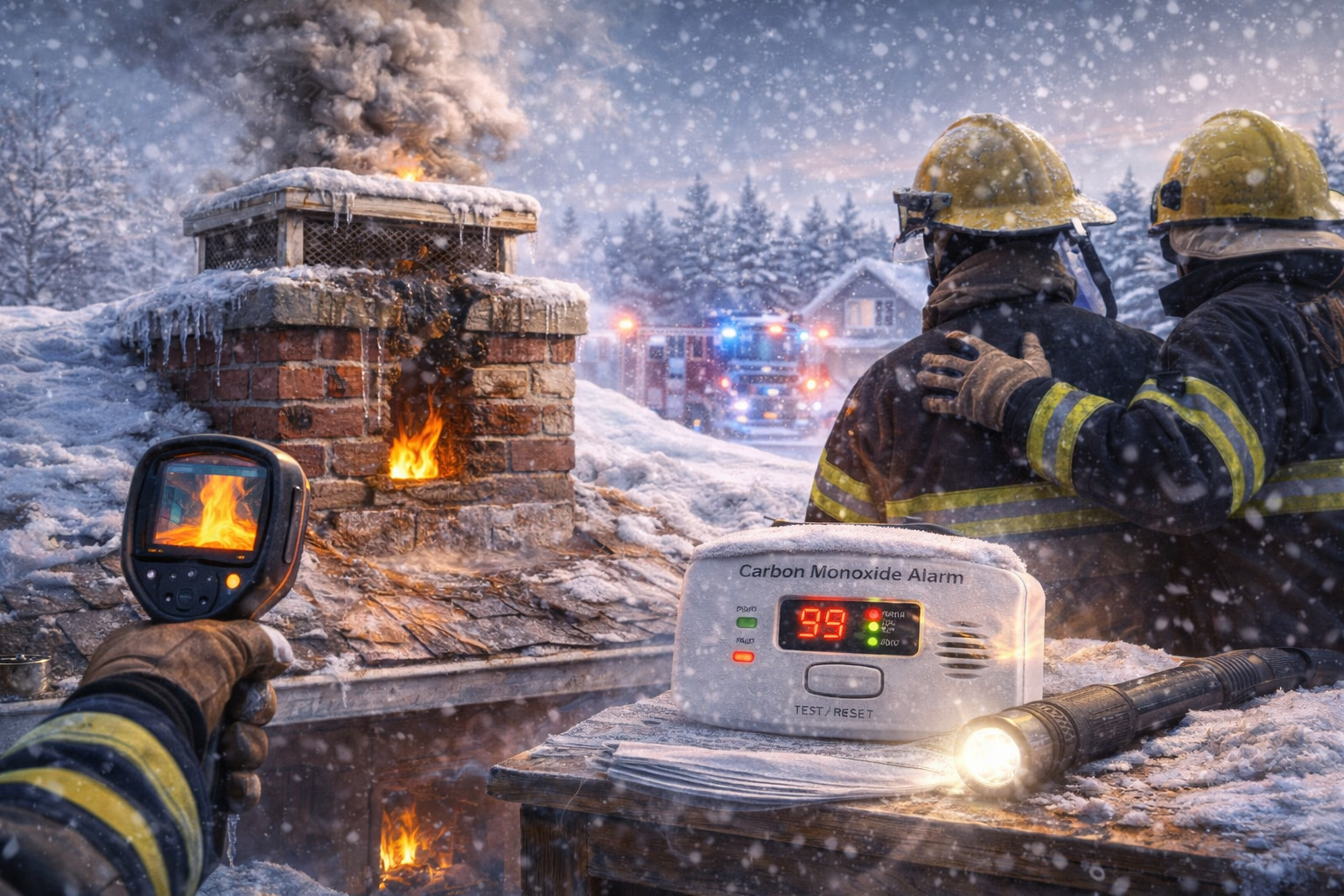
The holidays are supposed to mean a crackling fire, a full house, and a little extra warmth against a Connecticut winter. They can just as easily mean smoke pouring back into the living room, a damper that won’t budge, or a pilot light that refuses to stay lit right as guests are walking through the door. A fireplace failure during the holidays isn’t just inconvenient. It can be a real safety issue, which is exactly why knowing when to call for emergency help matters more this time of year than almost any other.
Fireplace trouble over the holidays? Call 877-793-3712 for 24/7 emergency service.
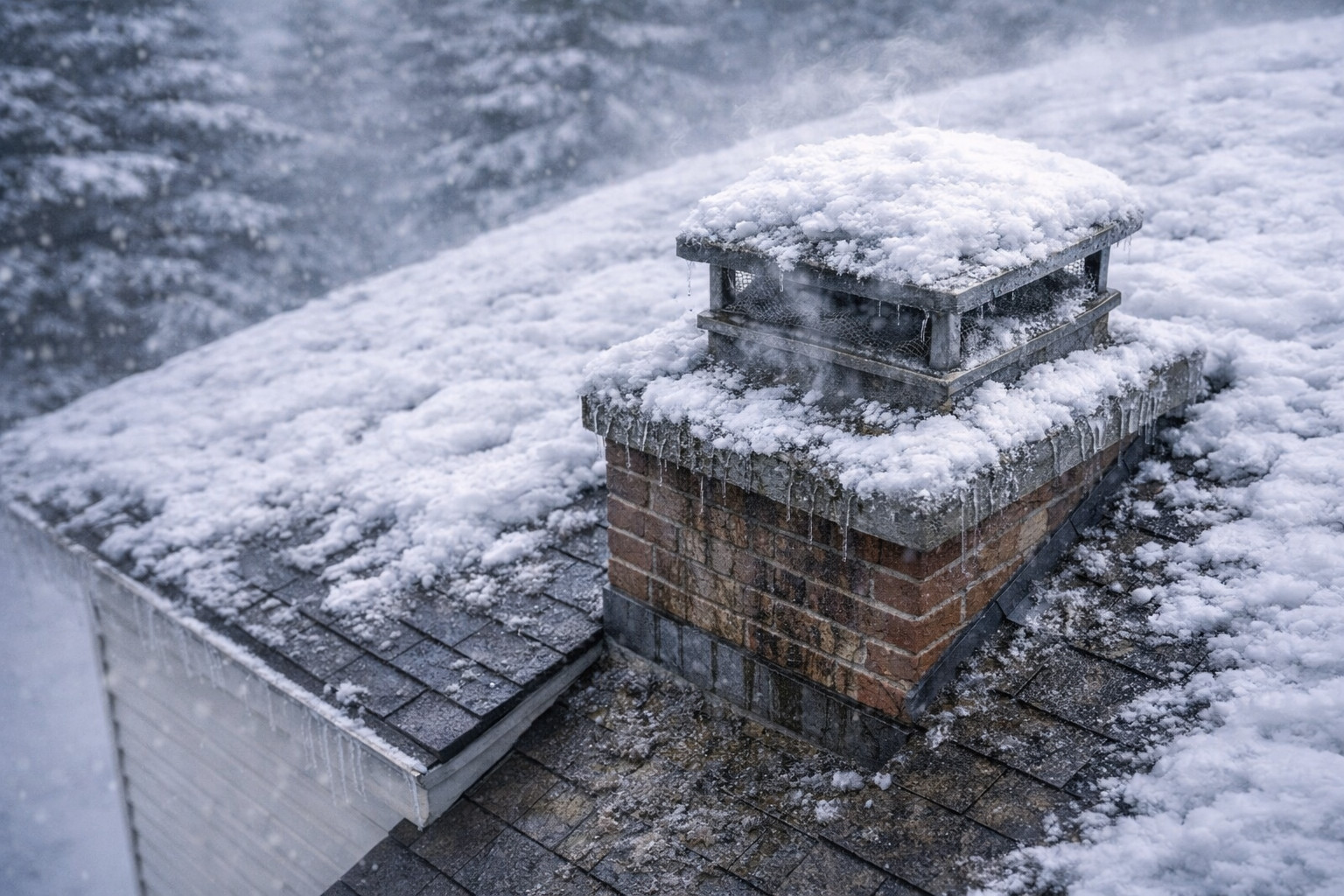
Why Chimney Emergencies Spike Between Thanksgiving and New Year’s
This stretch of the year is the heaviest use window for most Connecticut fireplaces and wood stoves. Chimneys that sat quiet all summer are suddenly getting lit night after night, and that surge in activity tends to expose whatever was already wrong but hadn’t been tested yet. Creosote that built up gradually over the fall reaches a tipping point faster under heavy use, and components like dampers, liners, and gaskets that were already marginal get pushed past their limit right when the house is fullest.
Signs You Need Emergency Service, Not a Scheduled Appointment
| What’s happening | What it usually means |
|---|---|
| Smoke rolling back into the room instead of venting up | A blockage or pressure imbalance that needs to be diagnosed before the next fire |
| Loud popping, crackling, or dense dark smoke from the flue | A possible chimney fire, sometimes a slow-burning one that’s easy to miss |
| Headaches, dizziness, or unusual fatigue in the house | A potential carbon monoxide issue; treat it as an emergency immediately |
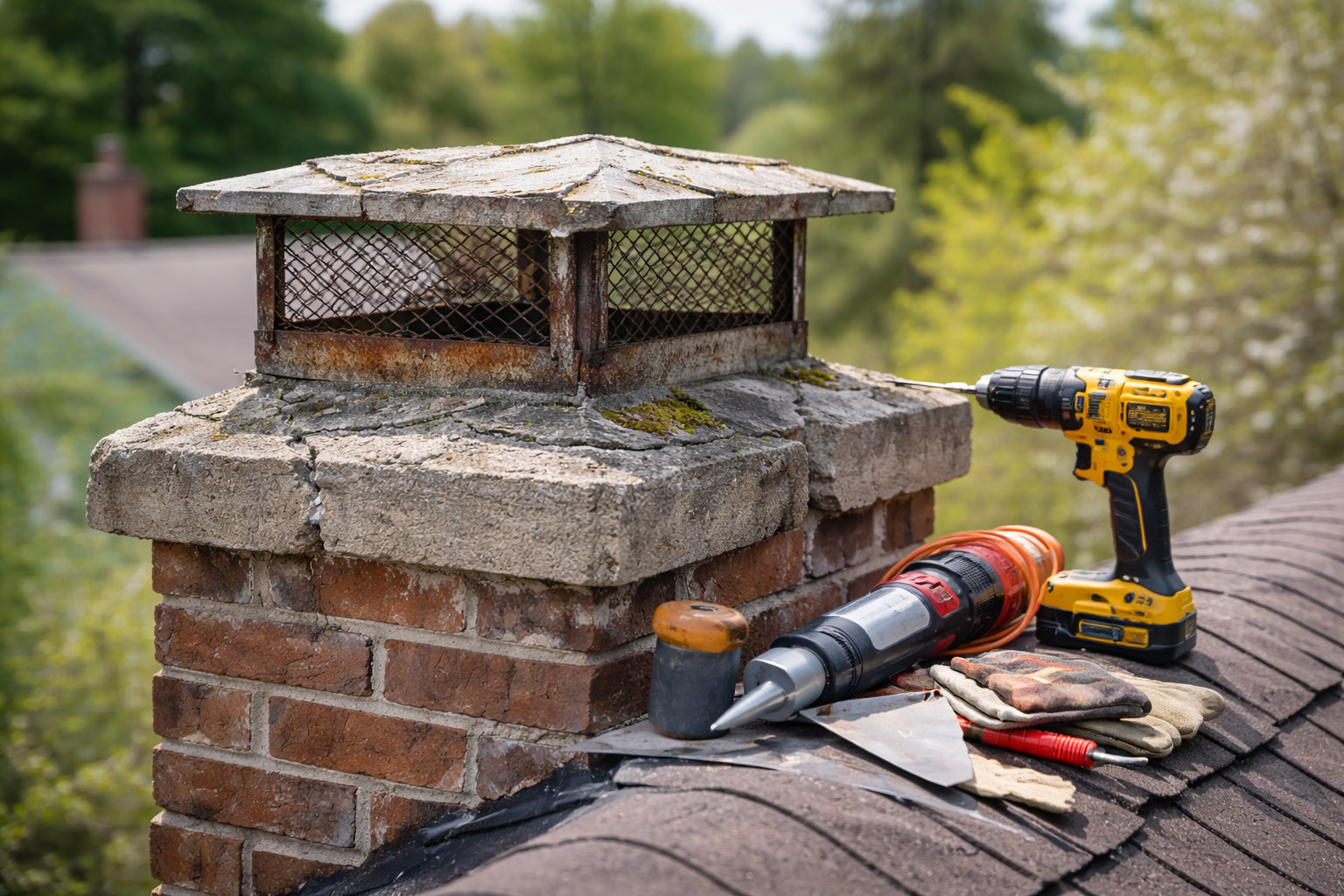
| Fallen masonry, visible cracks, or debris after a storm | Structural damage that can let heat and sparks reach nearby wood framing |
If anyone in the house shows signs of carbon monoxide exposure, get everyone into fresh air and call for help right away. Don’t wait to see whether it passes.
Why a Smoky Fireplace Isn’t Just an Annoyance
Smoke spilling into the room means combustion gases, including carbon monoxide, aren’t venting the way they’re supposed to. That’s a sign the chimney’s draft has failed somewhere in the system, whether from a blockage, a damaged liner, or a damper that isn’t opening fully. It’s also a fire risk in its own right if it points to a deeper problem like a cracked flue. Stop using the fireplace and have it looked at before lighting another fire, even if the smoke seems to clear on its own after a few minutes.
Chimney Fires Don’t Always Look Dramatic
Some chimney fires roar loud enough to hear from inside the house. Others burn slowly and quietly, doing real damage to the flue liner without any obvious warning beyond a faint smell of hot asphalt or a bit of extra smoke. Heavy creosote buildup is the usual fuel for either kind, which is why a chimney that hasn’t been swept recently and is suddenly getting used every night is a real risk, not just a theoretical one.
Gas Fireplaces Have Their Own Holiday Failure Points
A pilot light that won’t stay lit is one of the most common gas fireplace complaints during the holidays, and it usually traces back to a worn or dirty thermocouple or thermopile, the small components that sense heat and keep the gas valve open. An ignition system that won’t respond at all can point to an electrical fault. Either way, repeatedly trying to relight it yourself with a house full of guests isn’t the move. A flickering pilot or a gas smell means it’s time to stop and have it checked.
What Happens When You Call for Emergency Service
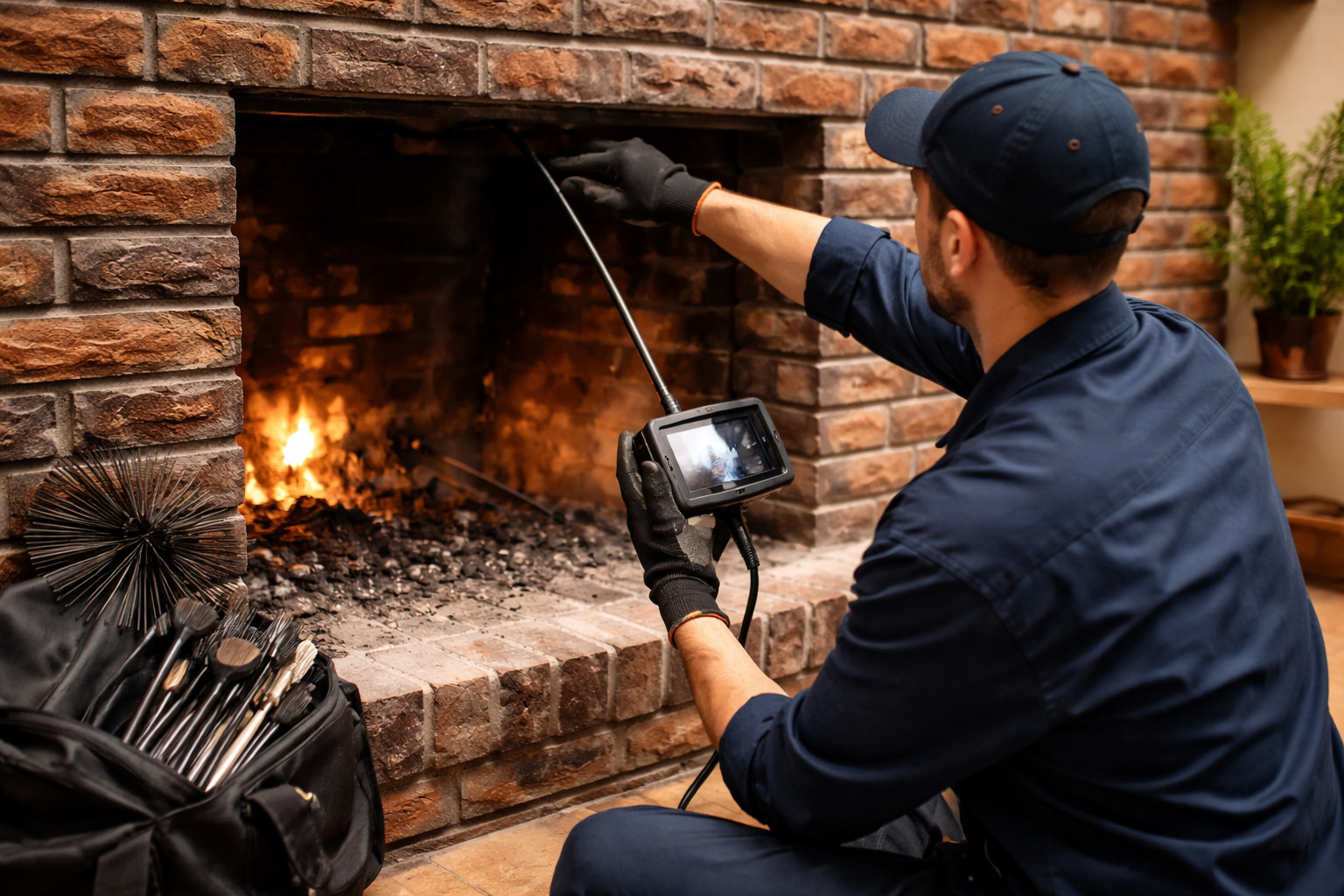
A real emergency response starts with a diagnostic assessment, often using a camera to see inside the flue, to find the actual cause rather than guessing. From there, a technician can clear blockages from creosote, debris, or animal nesting, patch a cracked firebox with heat-rated materials, or identify whether the issue is a simple component swap or something closer to structural repair. A licensed, insured crew familiar with Connecticut’s codes will also flag anything that needs to be brought up to standard, not just patched enough to get through the holiday.
Animal Nesting Is More Common Than You’d Think
Birds and squirrels look for shelter in unused flues as the weather turns cold, and a nest blocking the chimney is a serious hazard: it traps combustion gases, including carbon monoxide, and prevents the chimney from drafting properly. If a fireplace that worked fine last winter suddenly won’t draw, a blocked flue is one of the first things worth ruling out.
Preventing Next Year’s Holiday Emergency
The single best way to avoid a repeat of this is scheduling a sweep and inspection in the fall, before the heavy holiday use starts. If you run a wood or pellet stove, sticking to the manufacturer’s cleaning schedule matters more than it might seem, since these units have different maintenance needs than an open masonry fireplace. And if space heaters are part of your holiday heating plan, keep them clear of anything flammable and off shared circuits so you’re not creating a second hazard while dealing with the first.
Frequently Asked Questions
Is it safe to keep using the fireplace if it’s only smoking a little?
No. Even a small amount of smoke in the house means combustion gases aren’t venting correctly. Stop using it and have it inspected before the next fire.
How fast can an emergency crew actually get to a home during the holidays?
It depends on how busy that particular night is, but a service offering genuine 24/7 coverage should give you a real response window when you call, not just a voicemail.
Can a chimney problem wait until after the holidays if it seems minor?
If there’s any sign of carbon monoxide, smoke in the house, or visible structural damage, no. A purely cosmetic issue with no safety signs can usually wait for a scheduled appointment instead.
Local Resources on Winter Fireplace and Chimney Safety (click to expand)
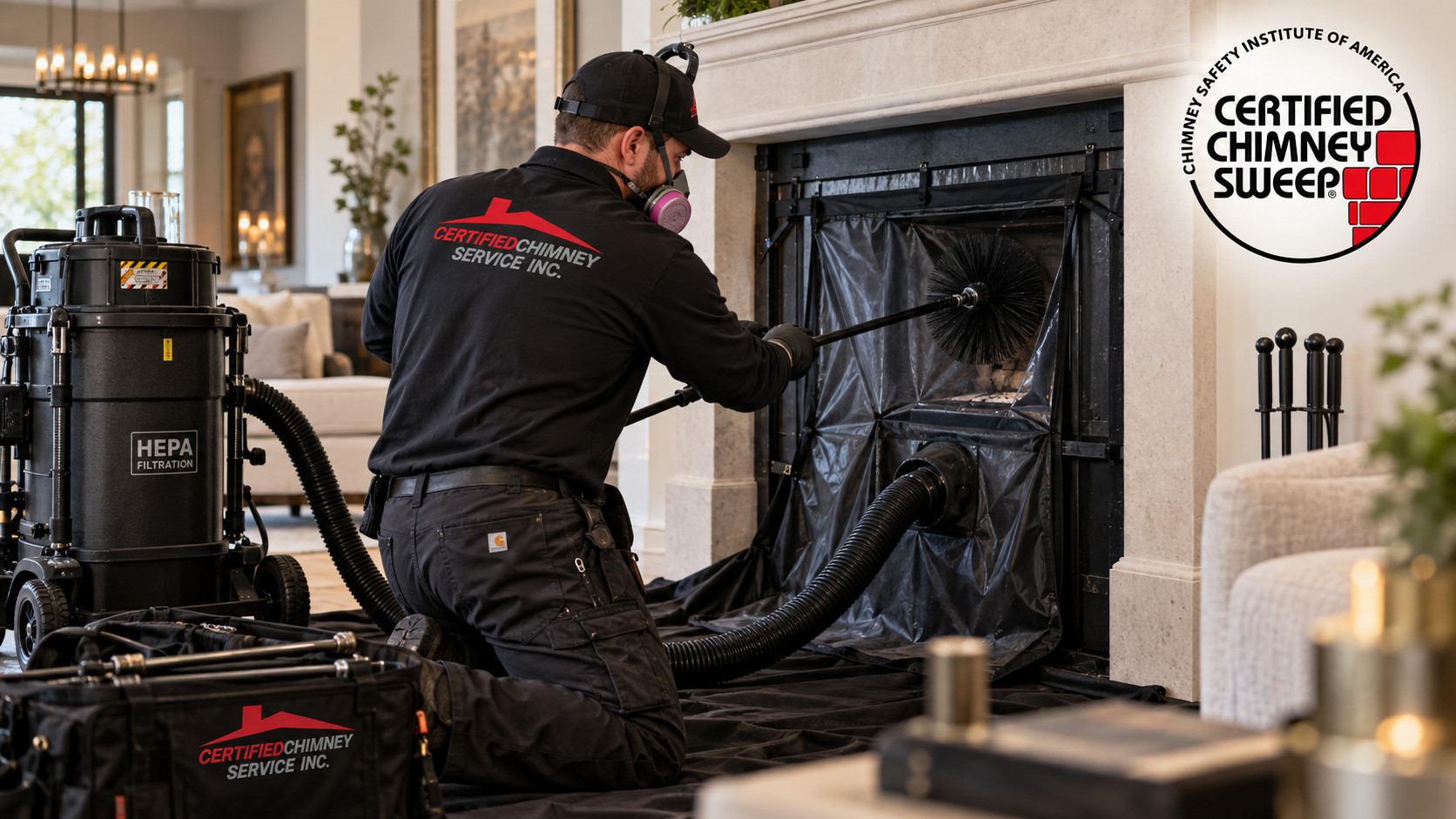
A holiday fireplace emergency is stressful enough without wondering who to call. Call Certified Chimney Service at 877-793-3712 any time, day or night, or request service online and we will follow up right away.