Common causes of leaking chimneys
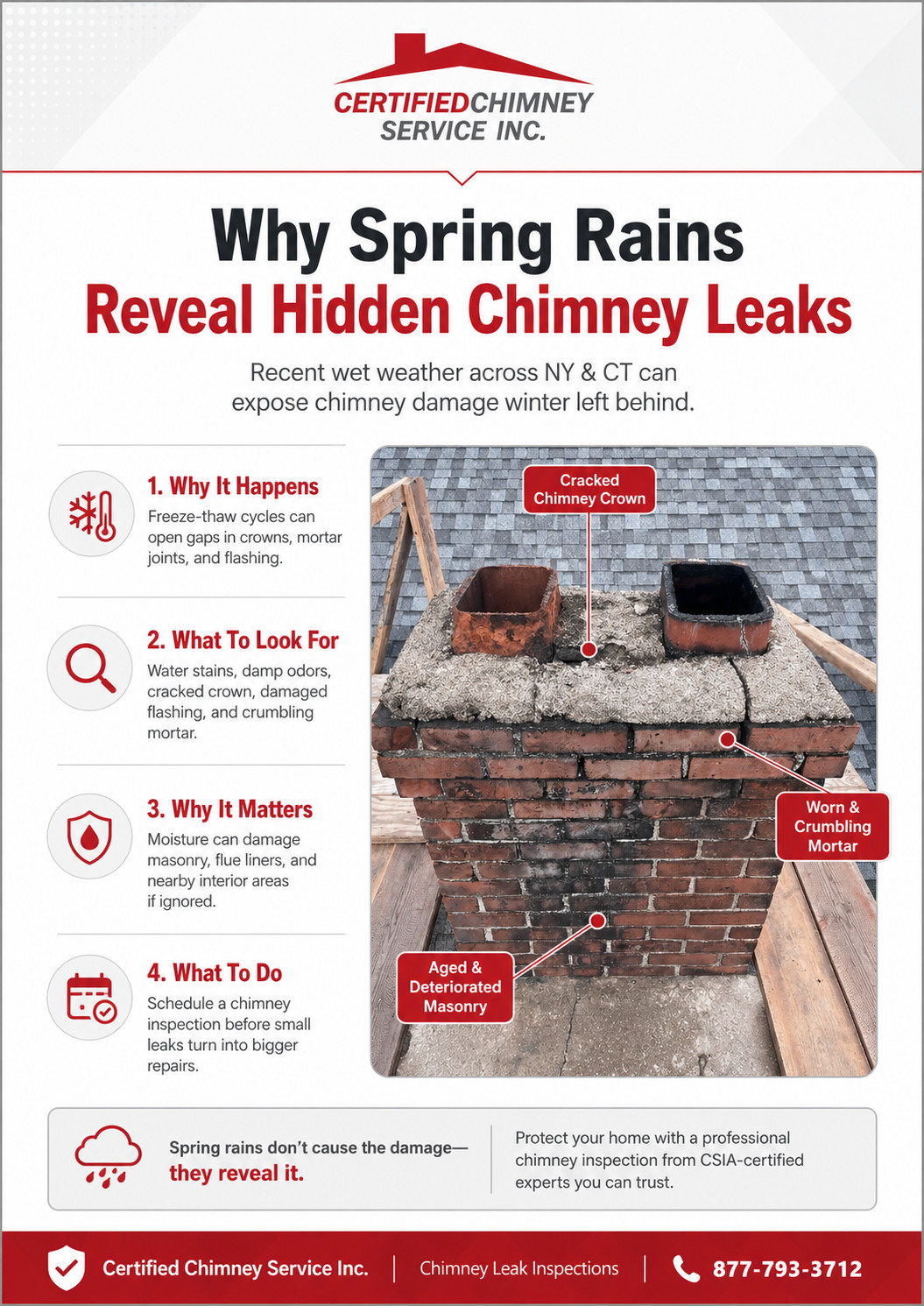
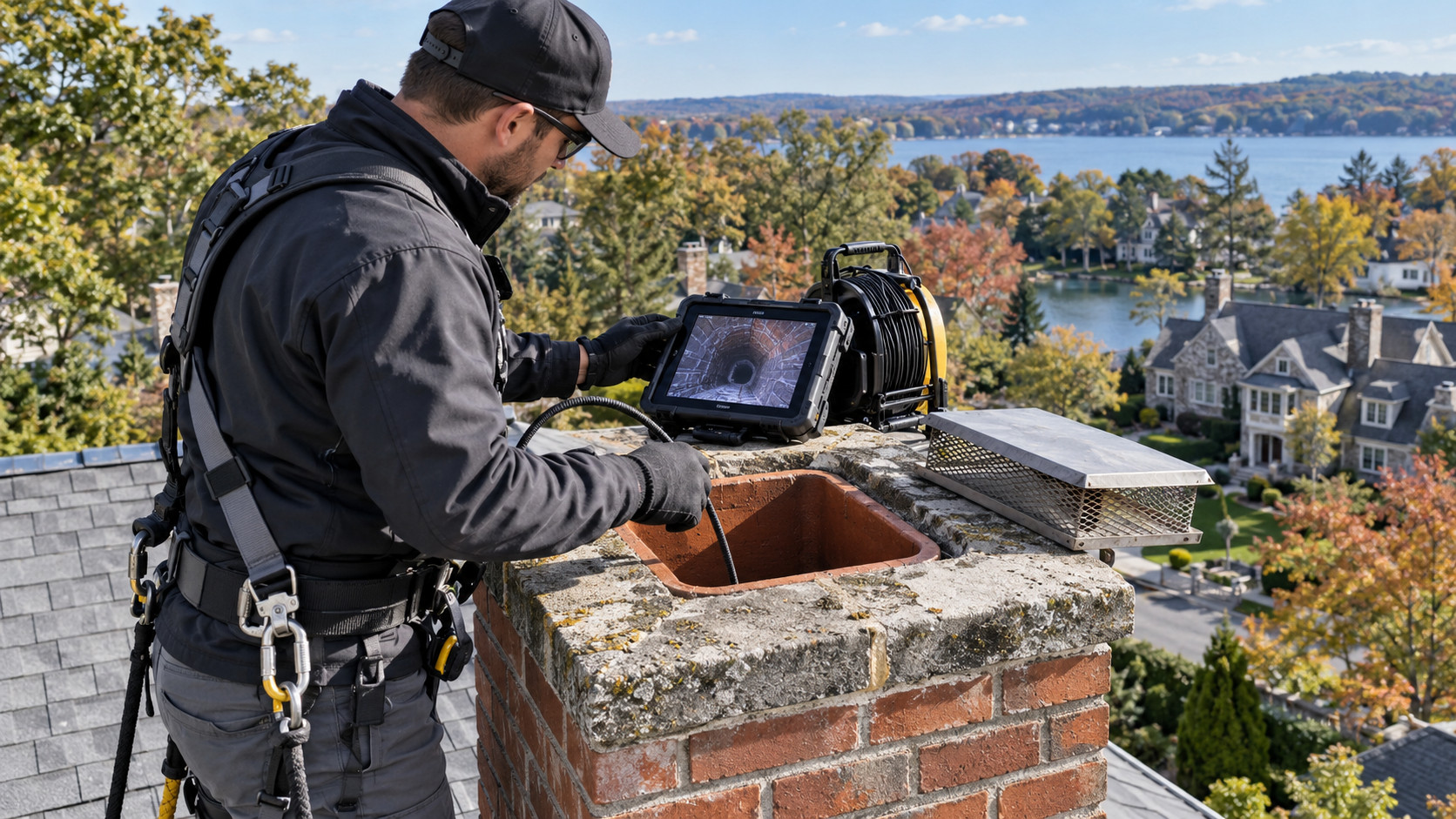
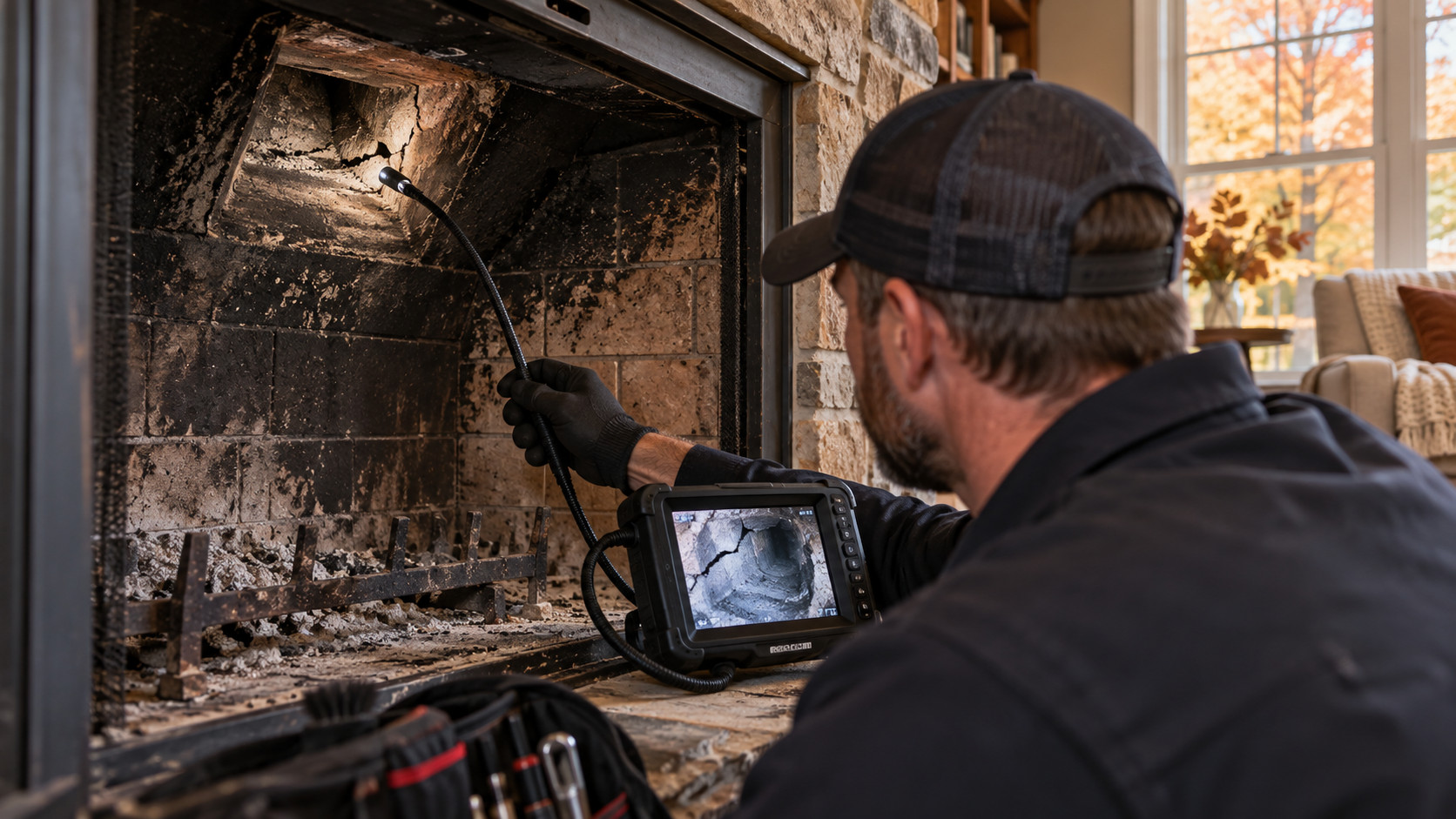
Leaking chimneys can come from several places. The most common causes include a cracked chimney crown, missing chimney cap, damaged chase cover, loose through-wall flashing, open mortar joints, and worn waterproof sealant. A chimney chase on a framed chimney may also leak if the chase cover rusts or separates. High winds can make the issue worse by pushing rain sideways into gaps. A chimney professional can use roof inspections, video inspection, and a water test to locate the true source before starting flashing repair or masonry repair.
Chimney cap, crown, and chase cover problems
The chimney cap, mesh screen, spark arrestor, chimney cover, crown, and chase cover all help keep water out. When one part fails, rain can enter the flue, soak the smoke chamber, rust dampers, or damage stainless steel components. A cracked chimney crown is especially common because concrete expands and contracts with seasonal weather. Once cracks open, water can seep down into the chimney bricks and flue liners. Repair may include a patching compound, waterproof coating, chimney cap replacement, or a new chase cover.
Chimney flashing and roof leak confusion
Chimney flashing can make a chimney leak look like a roof leak. Water may enter where the chimney meets asphalt shingles, then travel along the roof deck, fascia boards, or nearby framing before showing as ceiling stains. Wind-lifted shingles, worn asphalt shingle granules, damaged pipe boots, and skylight perimeter seals can also cause roof leaks near the chimney. The National Roofing Contractors Association explains that water under roof coverings can reach the roof deck and damage the roof structure through its consumer roofing guidance. This is why both chimney and roof areas should be checked.
How do I know if my chimney is leaking?
A leaking chimney may show water stains on ceilings, damp fireplace odors, rusted dampers, peeling paint, white staining on exterior brick, mold growth, or crumbling mortar. Some leaks only appear during the spring rainy season or after high winds. Others show up slowly as moisture management problems inside the chimney system. If you see stains near the fireplace or hear dripping in the firebox, do not assume the leak is minor. A chimney inspection can check the chimney cap, flashing, crown, masonry, flue liners, and roof contact points.
How to prevent chimney leaks in Connecticut
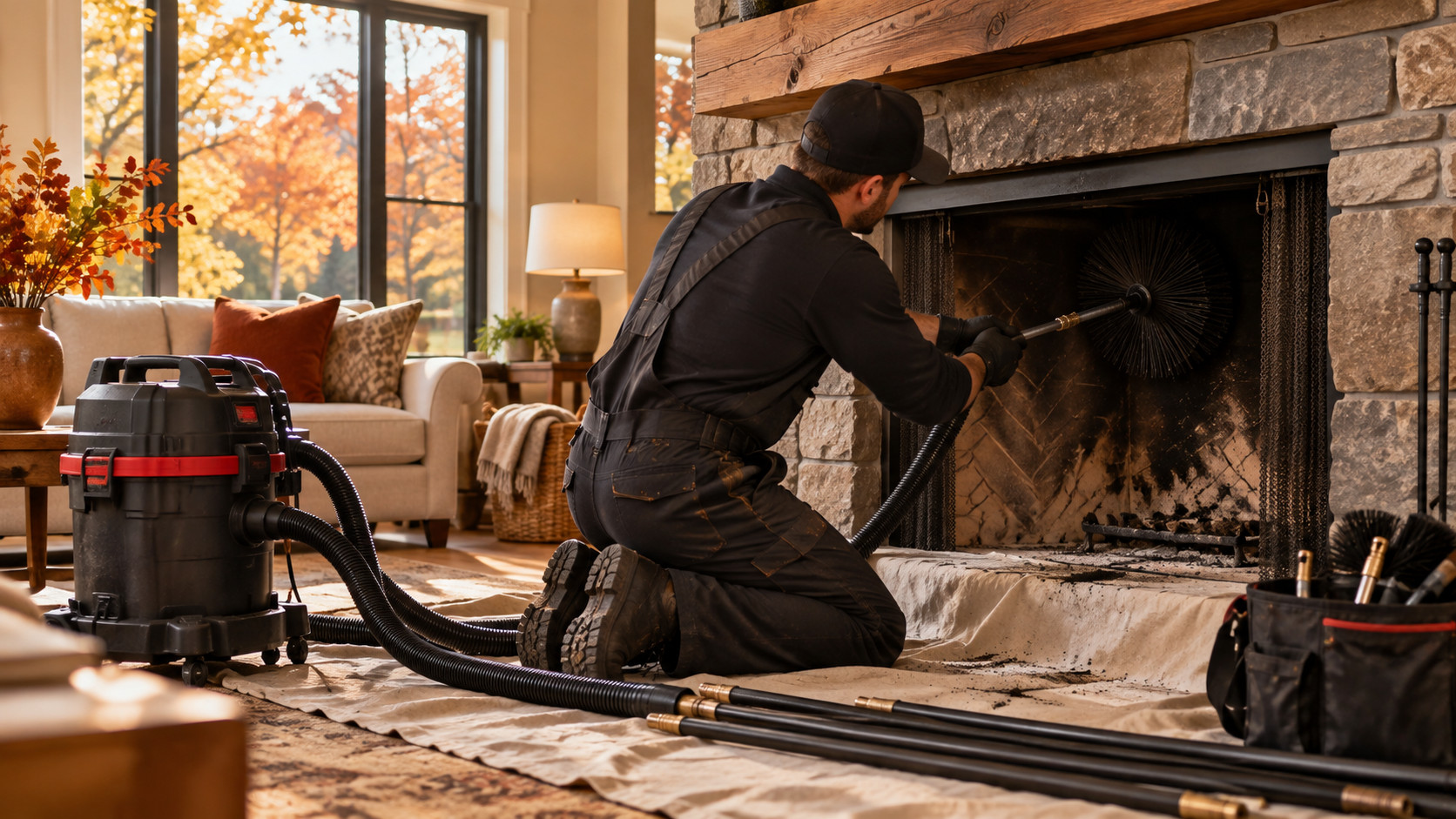
Preventing chimney leaks starts with seasonal inspection visits before spring rains become steady. A CSIA certified chimney technician can inspect the cap, crown, flashing, mortar joints, chimney chase, flue liners, and masonry for early signs of water intrusion. Preventive work may include waterproofing treatments, flashing repair, a new chimney cap, a chase cover, damaged masonry repair, or waterproof sealant made for chimney materials. The Chimney Safety Institute of America recommends chimney inspections and regular care because hidden problems can affect fireplace safety and chimney performance.
Schedule chimney leak repair in Connecticut
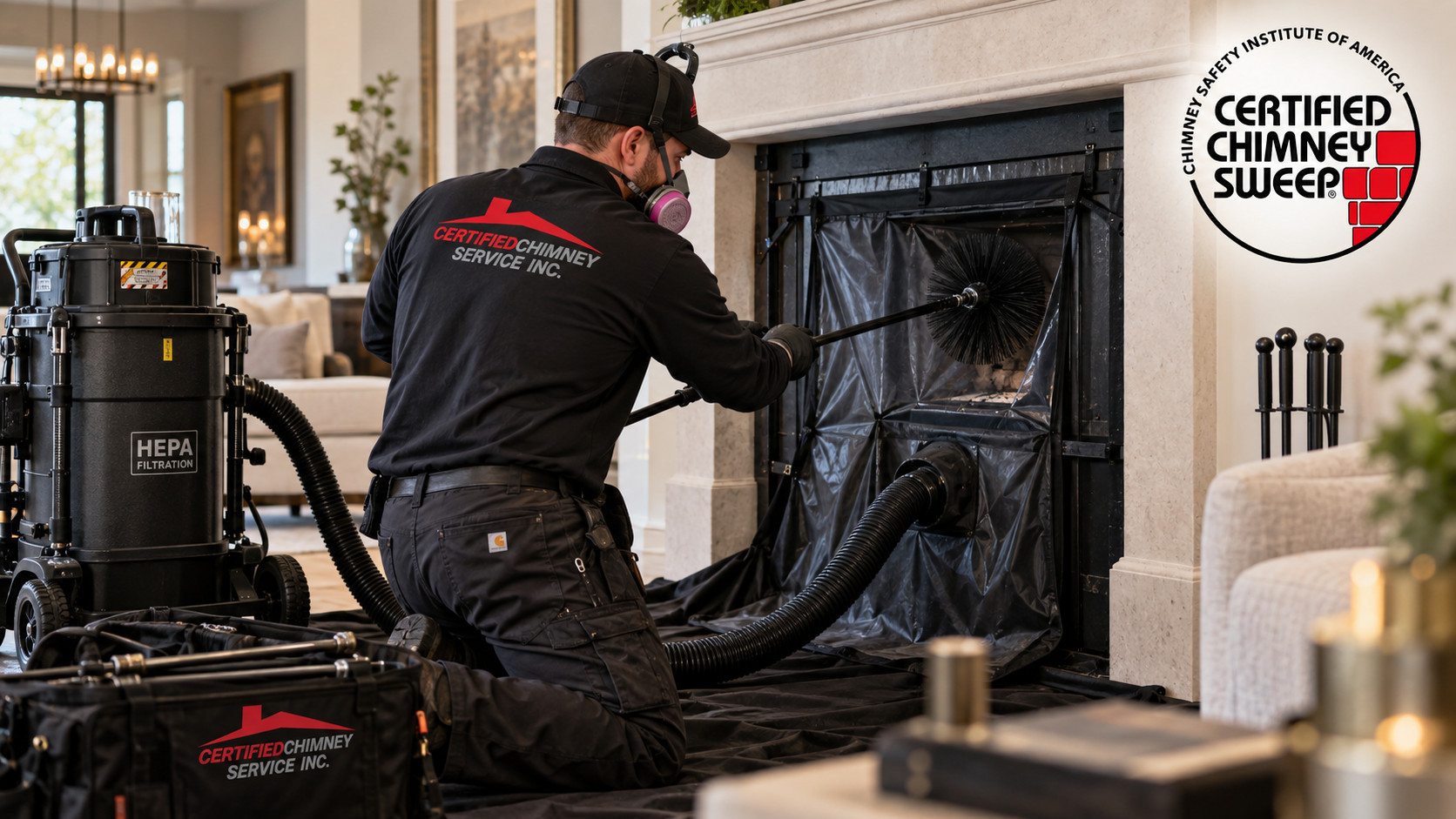
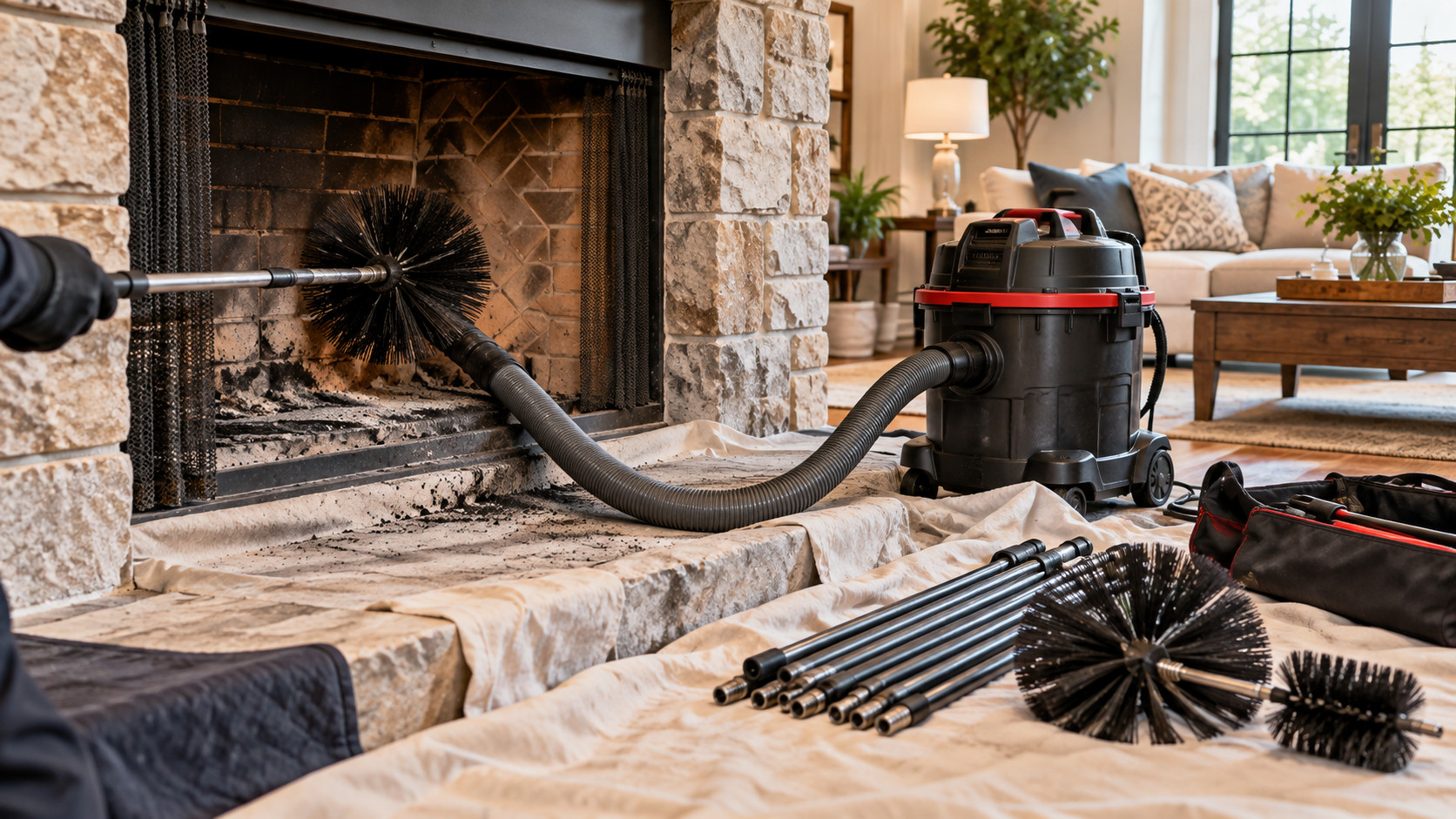
Certified Chimney Connecticut provides chimney services, chimney inspection, chimney sweep service, chimney leak repair, flashing repair, chimney cap replacement, crown repair, waterproofing treatments, masonry repair, and video inspection for Connecticut homes. If spring rains have exposed water stains, mold growth, spalling bricks, rusted dampers, or moisture near the fireplace, the leak should be checked before it spreads into the roof deck or interior walls. Visit Certified Chimney Connecticut to schedule service and protect your home before the next heavy rain.