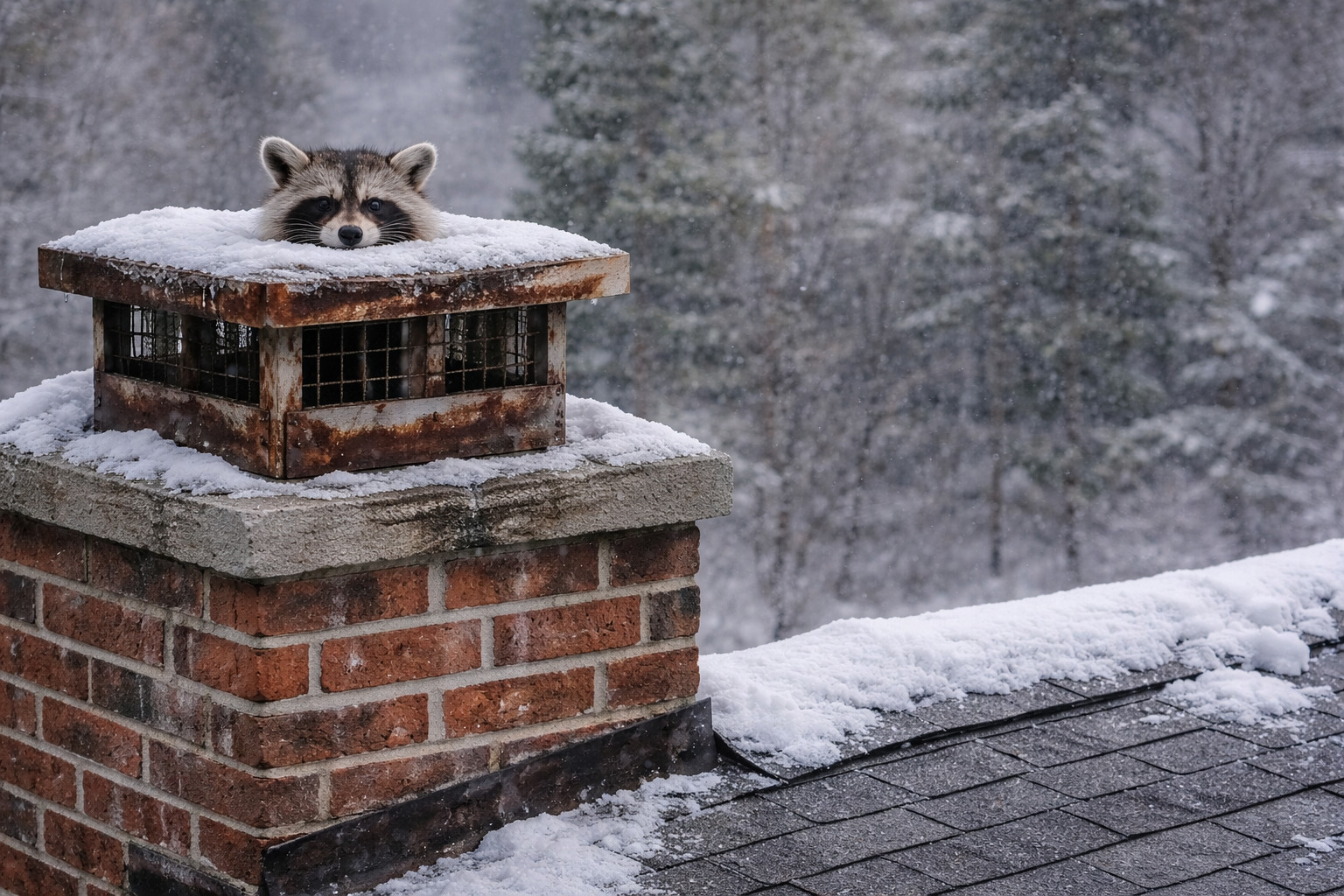
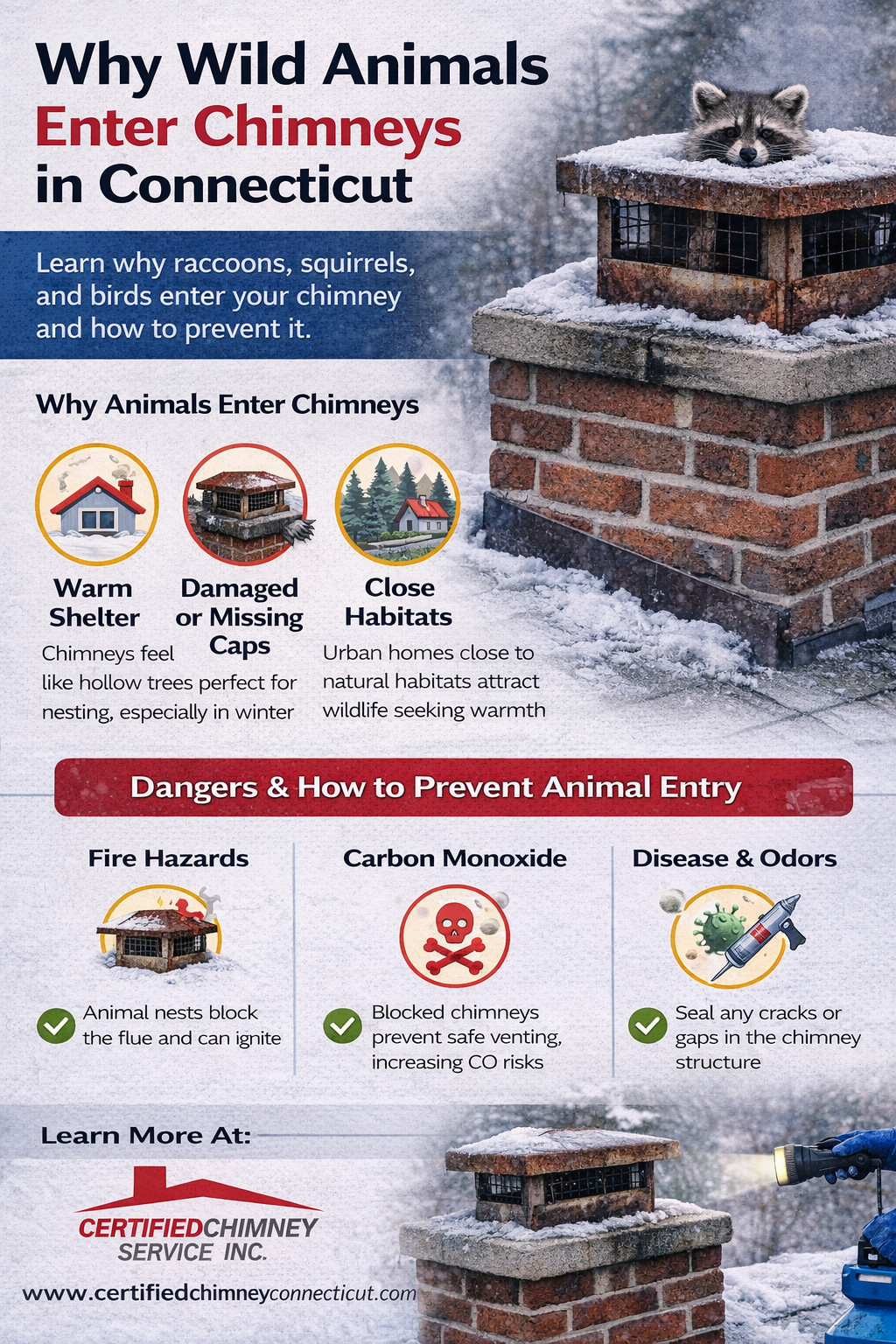
Many Connecticut homeowners deal with wild animals entering the fireplace chimney, especially during colder months. Animals such as raccoons, squirrels, and birds look for warm shelter and often enter through a missing or damaged chimney cap. The chimney flue feels similar to a hollow tree, making it attractive for nesting and raising wild animal babies. According to the Connecticut Department of Energy & Environmental Protection, this type of human-wildlife conflict is common in urban life where homes are built near natural habitats. Once inside, animals may become trapped, creating the need for safe chimney wildlife removal and proper chimney inspection.
When an animal dies inside the chimney flue, it creates serious safety and health concerns. One of the first warning signs is a strong dead animal smell coming from the fireplace. As decomposition continues, bacteria, parasites, and raccoon feces can contaminate the chimney system, including the smoke shelf and flue liner. Animal remains may also block airflow and prevent proper venting. This increases the risk of carbon monoxide leaks, which can affect indoor air quality. Without proper dead animal removal, this blockage can create long term chimney damage and safety hazards.
A dead animal inside the chimney creates more than just odor problems. It can block the chimney liner and prevent gases from venting safely outside. This increases the risk of carbon monoxide, which is a colorless gas that can enter the home without warning. The U.S. Environmental Protection Agency explains that poor ventilation and blockages increase indoor air risks. Animal remains can also create airflow restrictions that increase heat buildup, raising the risk of chimney fires. This can damage the flue liner, weaken the chimney structure, and lead to expensive chimney repairs.
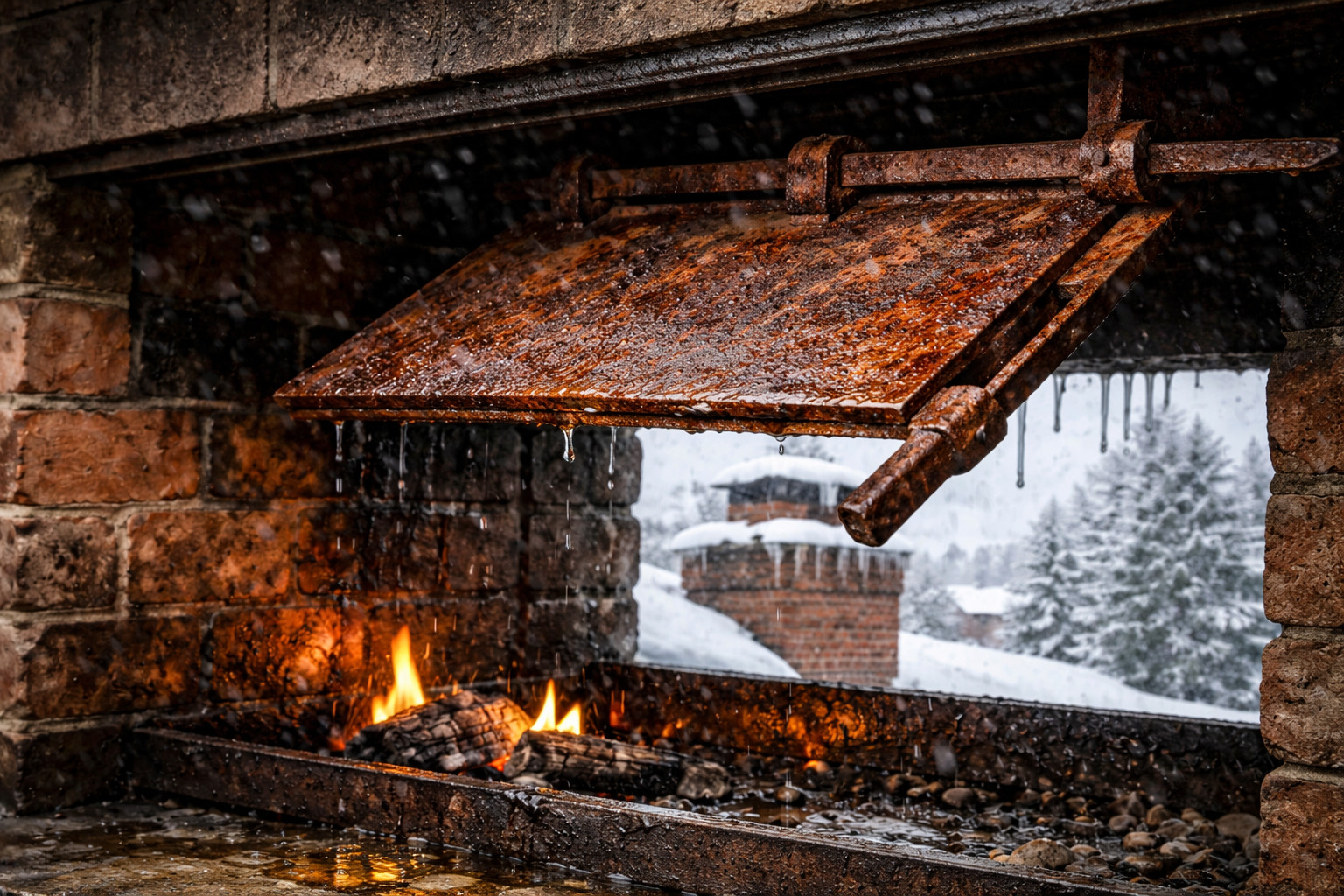
The dead animal smell can last anywhere from several days to several weeks depending on the animal size and location. Warmer temperatures often make the odor stronger, especially during spring and summer. The smell becomes trapped inside porous chimney materials and can spread into nearby rooms. Moisture damage inside the chimney can make odors last longer by trapping bacteria inside the chimney system. Professional chimney cleaning is often required to fully remove contamination and restore safe chimney conditions.
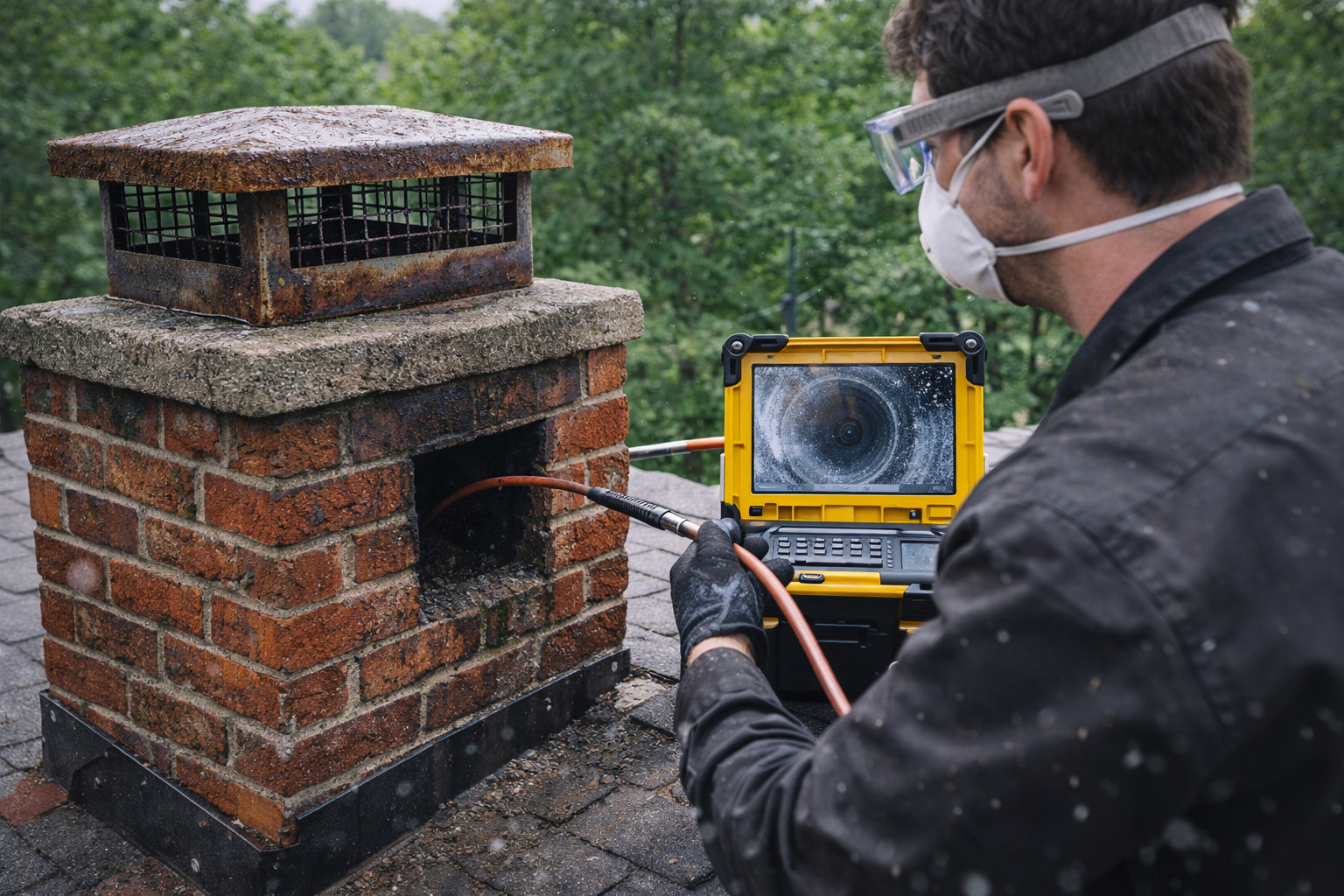
A professional chimney sweep uses specialized tools and safety gear to perform safe chimney animal removal. During a chimney inspection, technicians may use video equipment, extension rods, and inspection tools to locate the animal inside the chimney flue. The Occupational Safety and Health Administration explains that protective safety gear is required when handling animal remains. Once the animal is removed, the chimney sweep performs chimney cleaning to remove bacteria, debris, and contamination. This process restores proper ventilation and helps prevent carbon monoxide leaks.
In some cases, homeowners may also need help from licensed animal control or pest control specialists trained in the Wildlife Removal Process. These professionals, often called Nuisance Wildlife Control Operators, perform a full Wildlife Inspection to locate entry/exit holes, nesting areas, and signs of Raccoons or squirrels. They may install a one-way door or use bat cone excluders to allow animals to exit safely without returning. This process, known as Exclusion and Repair, helps prevent future wildlife access. Connecticut wildlife protection laws, including the Migratory Bird Treaty Act, regulate animal handling, so working with trained professionals ensures safe removal, proper damage repair, and long term chimney protection.
Leaving a dead animal inside the chimney can cause serious long term damage. Animal remains attract insects and pests, which may spread into the home. Decomposition fluids can damage the flue liner and chimney structure, increasing repair costs. Blockages may also affect fireplace performance and increase fire hazard risk. Over time, animal remains contribute to creosote buildup, which increases the risk of chimney fires. Professional chimney inspection and cleaning help prevent structural damage and protect home safety.
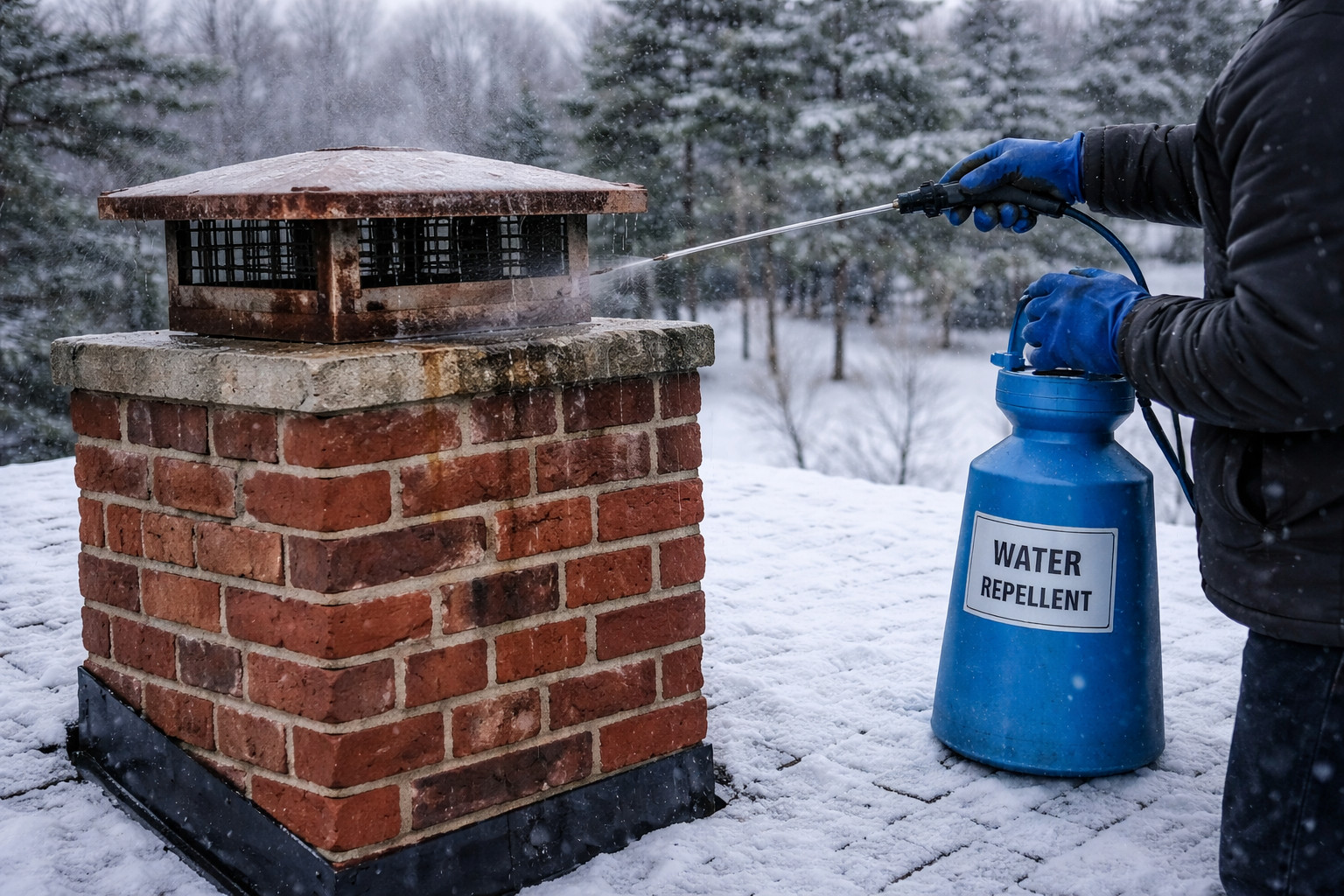
Installing a properly fitted chimney cap is the most effective way to prevent animal access. Chimney caps and chimney screens act as barriers while allowing proper ventilation. The U.S. Fish and Wildlife Service recommends exclusion methods to prevent wildlife entry without harming animals. Regular chimney inspection and chimney cleaning help identify entry points, including damaged caps or openings. Preventative maintenance protects the chimney system and prevents the need for future wildlife removal.
If you suspect animal activity inside your chimney, schedule a chimney inspection immediately. Certified Chimney Connecticut provides professional chimney sweep, chimney cleaning, and chimney wildlife removal services. Their technicians perform safe animal removal, inspect the flue liner, and complete necessary chimney repairs.
Scheduling a professional chimney inspection with Certified Chimney Connecticut helps prevent carbon monoxide leaks, chimney fires, and structural damage. Routine inspections also help ensure safe chimney operation and protect your home throughout Connecticut’s changing seasons.
Article details:
Share:
Continue learning: