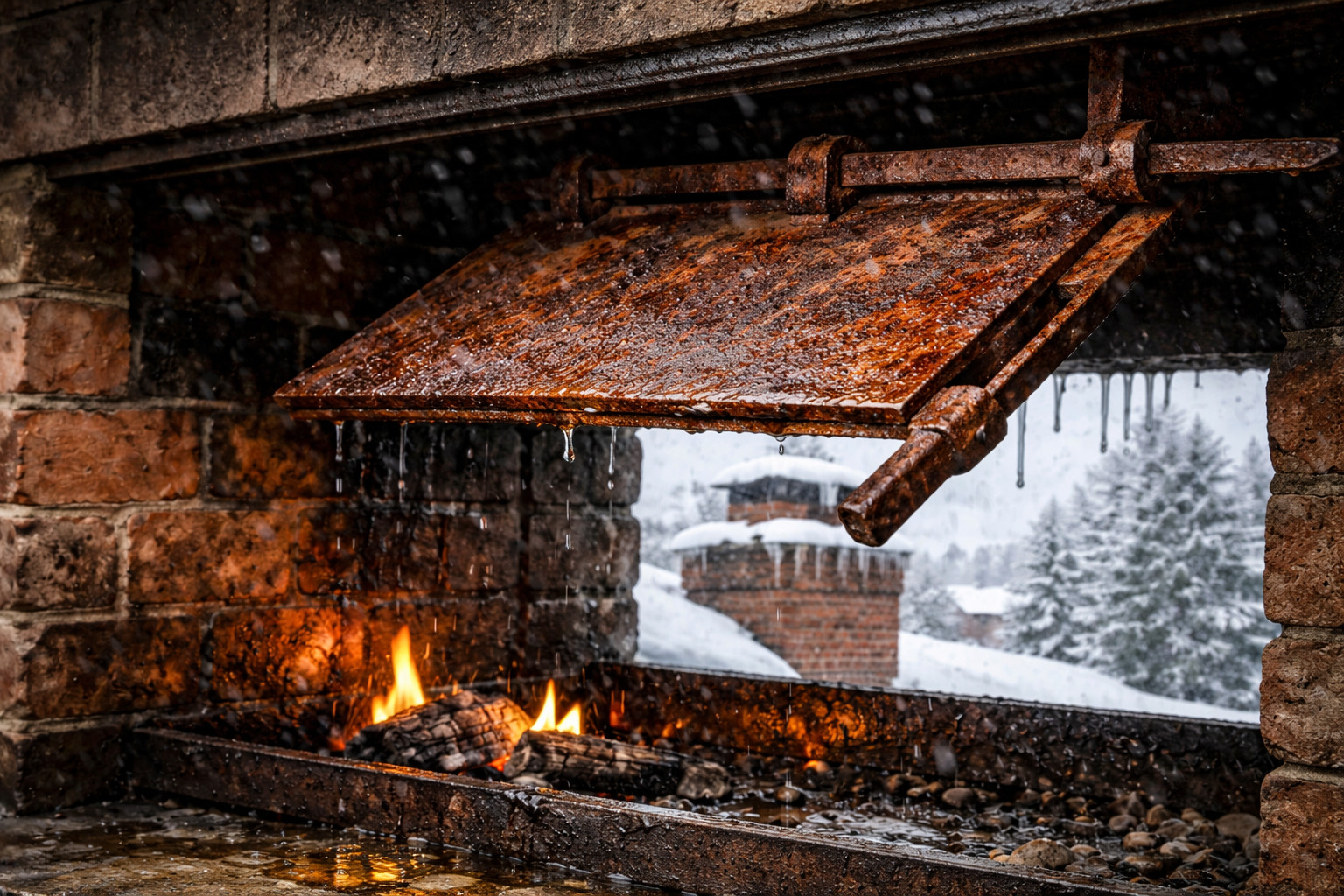
Why Chimney Waterproofing Is Important in Connecticut
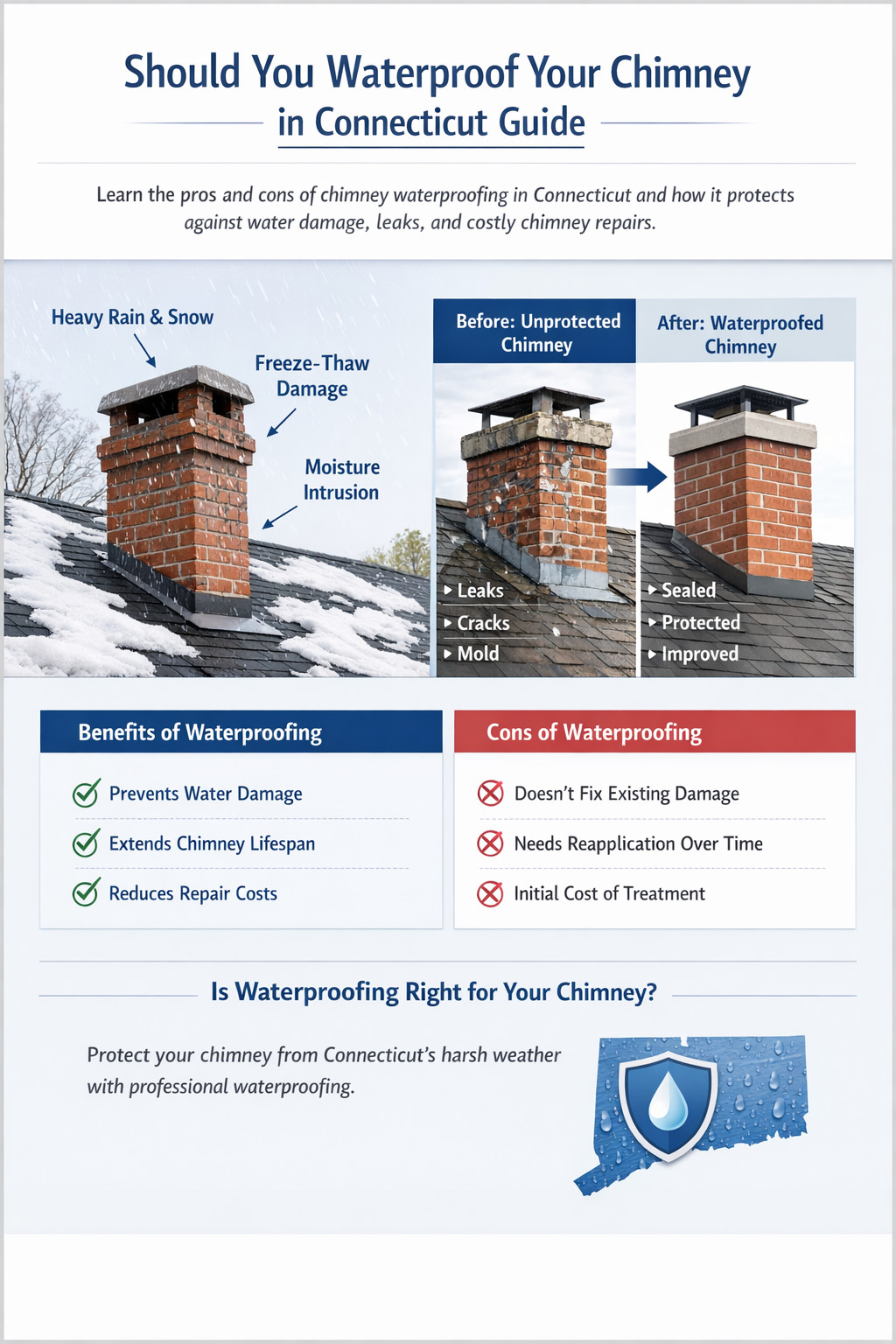
Connecticut homeowners deal with constant exposure to rain, snow, and harsh winter weather. These extreme weather conditions create the perfect environment for water intrusion and long term moisture damage. Moisture is one of the leading causes of chimney deterioration, according to the Chimney Safety Institute of America moisture protection guide. Chimneys are especially vulnerable because materials like clay brick, mortar joints, and concrete block are naturally porous. Over time, water enters these surfaces and weakens the overall chimney structure. According to the National Fire Protection Association chimney safety guidelines, moisture is a major contributor to chimney deterioration and structural safety concerns. Without protection, water can lead to chimney leaks, interior water stains, and expensive repairs.
How Moisture Affects Your Chimney System
When water enters the chimney, it affects multiple parts of the chimney system, not just the exterior. Moisture can damage the chimney crown, weaken mortar joints, and create rust on metal components. During Connecticut winters, repeated freeze thaw damage makes this problem worse. The National Park Service masonry preservation resource explains that freeze thaw cycles cause brick cracking and allow deeper water penetration. As trapped water freezes and expands, it causes cracking, loose bricks, and spalling bricks. Moisture can also reach the flue liner, increasing the risk of ventilation problems and safety concerns. Over time, this type of chimney water leaks can lead to mold growth, creosote buildup, and hidden structural issues.
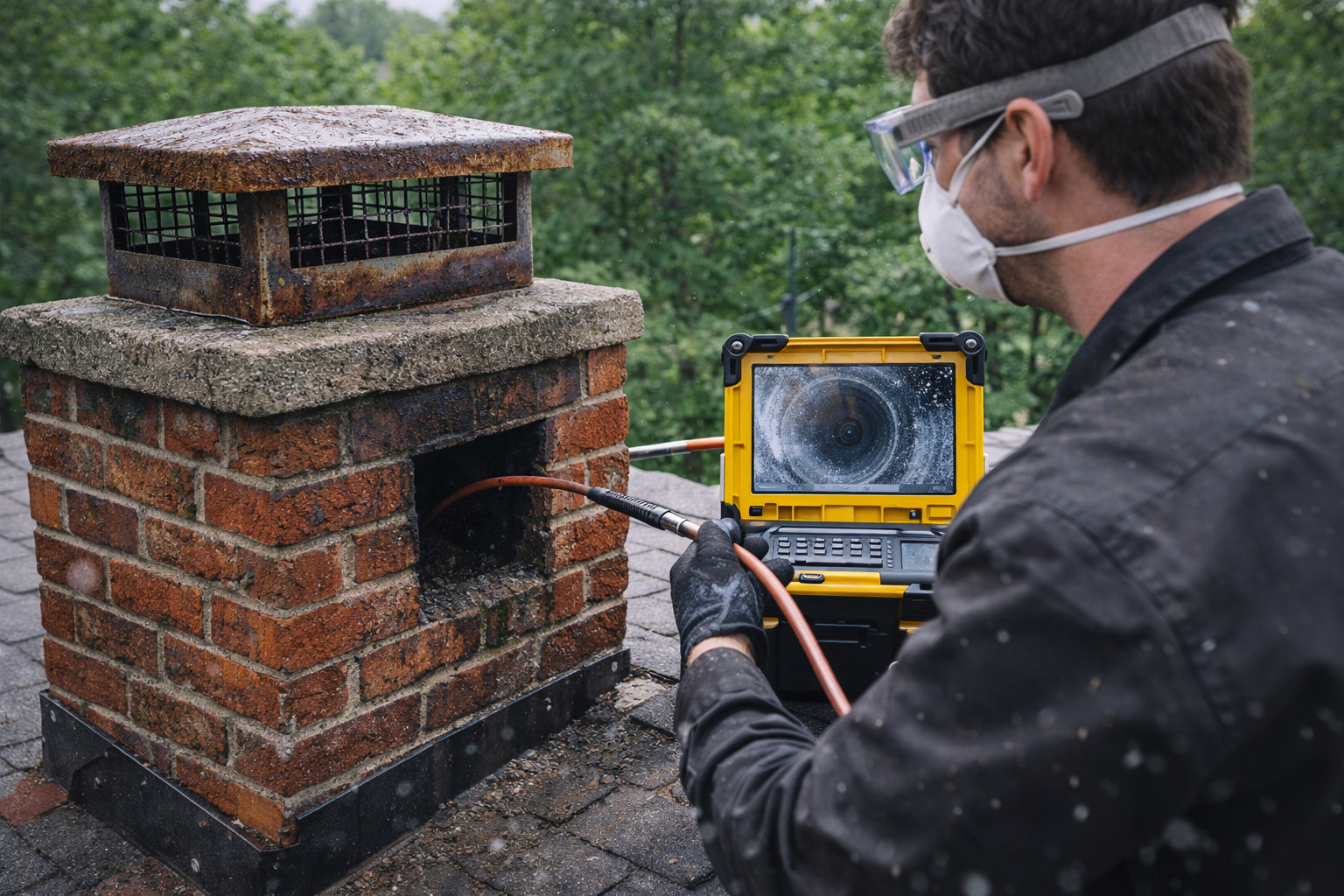
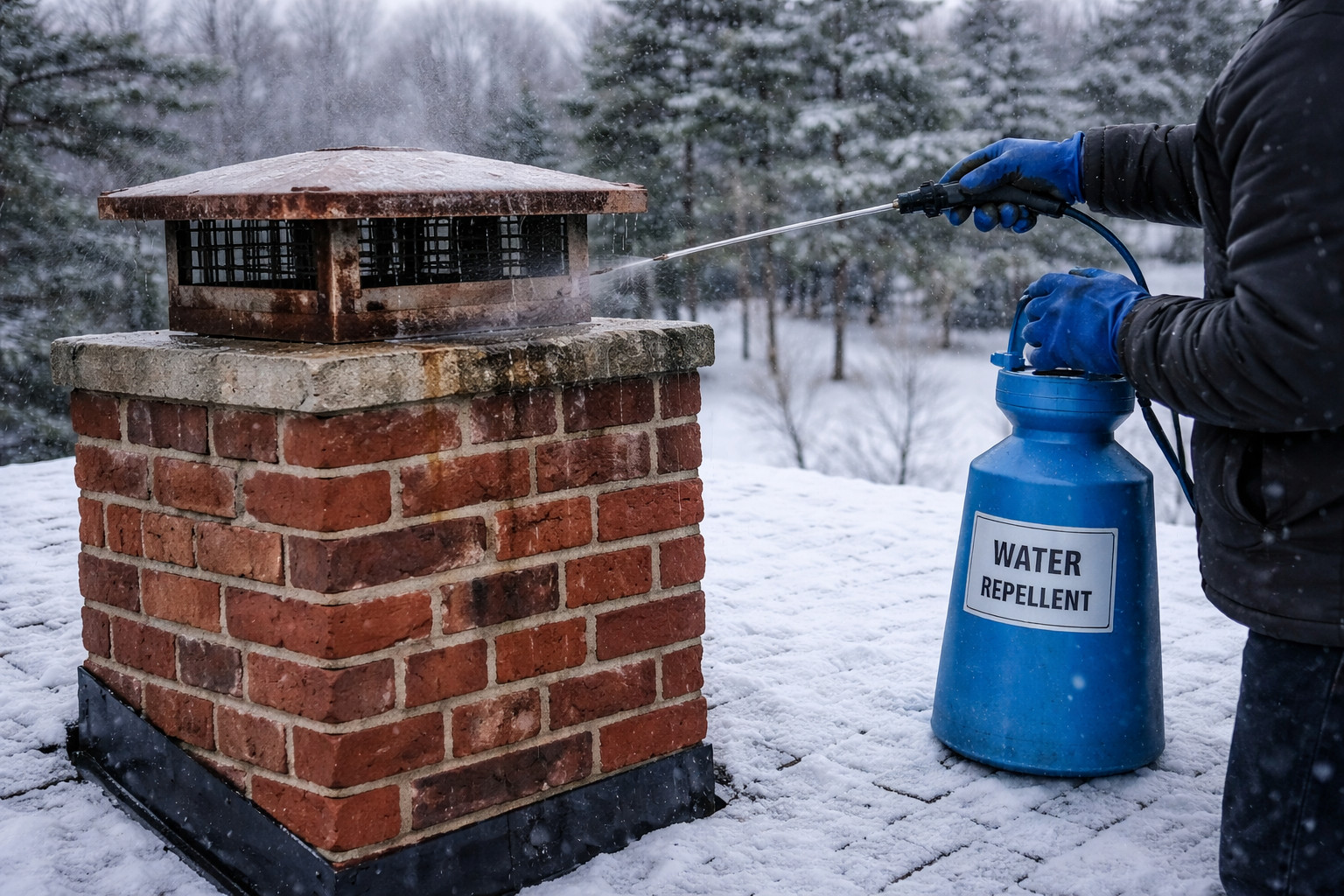
Chimney waterproofing involves applying a specialized water repellant or waterproof sealant to the chimney surface. This creates a breathable waterproof barrier that prevents moisture from entering while allowing trapped moisture to escape. The International Association of Certified Home Inspectors waterproofing guide explains that breathable sealants protect masonry while preventing water intrusion. A properly applied water repellent product protects masonry without sealing it completely, which is important for maintaining chimney performance. Professional waterproofing services also inspect key areas like the chimney crown, flashing components, and mortar joints before applying the waterproofing material. This ensures the chimney is properly sealed and protected against future water damage.
Pros and Cons of Waterproofing Your Chimney
Chimney waterproofing offers several important benefits, but it is important to understand both sides.
Benefits of Chimney Waterproofing
Waterproofing helps prevent moisture damage by sealing vulnerable masonry surfaces. This reduces the risk of chimney repair, mold growth, and chimney flashing leaks. It also extends the lifespan of the chimney and improves overall performance. Many Connecticut homeowners notice fewer chimney leaks and lower long term maintenance costs after waterproofing.
Disadvantages of Chimney Waterproofing
Waterproofing does not fix existing structural issues. If there is already serious damage to the chimney crown, flashing, or flue liner, repairs must be completed first. Waterproofing is also not permanent and will need to be reapplied as part of a regular maintenance schedule.
Should You Waterproof Your Chimney in Connecticut?
For most Connecticut homes, chimney waterproofing is a smart preventative step. Homes in areas like New Haven are exposed to heavy snow, rain, and freezing temperatures each year. These conditions increase the risk of water intrusion and chimney deterioration. Professional waterproofing services, combined with regular chimney inspection and maintenance, help protect the chimney and prevent costly structural issues. Certified Chimney Connecticut provides professional chimney services that help homeowners protect their chimneys from moisture damage and extend their lifespan.