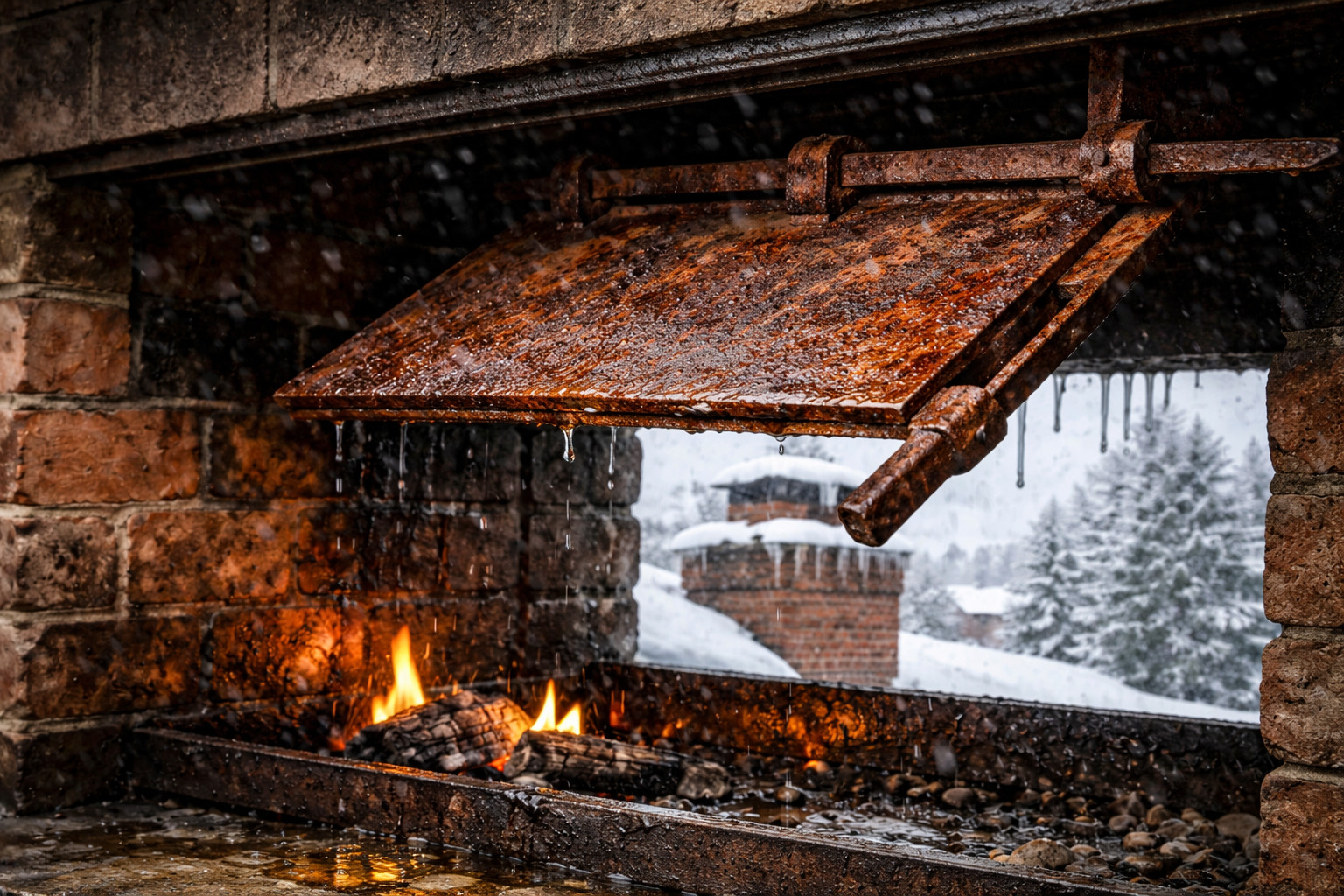
One of the first cold mornings last winter, a homeowner in Fairfield County opened their fireplace and noticed their chimney damper was covered in rust. It had been working fine the previous season, but now it felt stiff and rough. What seemed like a minor issue turned out to be an early warning sign of moisture intrusion affecting the entire chimney system. According to the Chimney Safety Institute of America moisture damage resource, water is one of the leading causes of chimney deterioration because it slowly damages metal and masonry from the inside. In Connecticut, where winter weather, snow, and freezing temperatures are constant, moisture problems often appear during the coldest months.
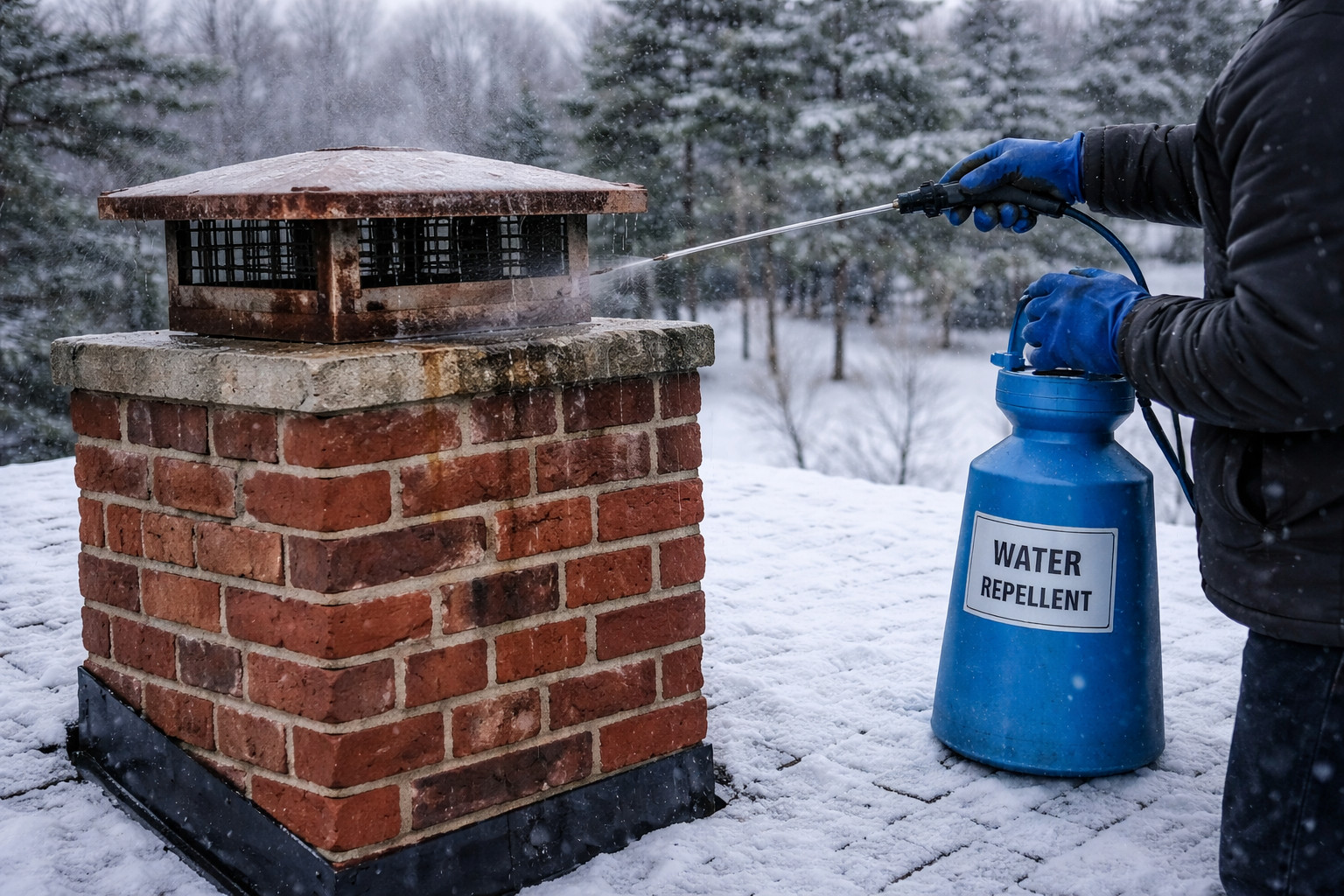
Once water enters the chimney, it settles on metal components like the chimney damper, flue liner, and other internal parts. Over time, this moisture begins breaking down protective coatings and causes corrosion. The National Park Service masonry preservation guide explains that repeated freeze thaw cycles allow water to penetrate deeper into masonry and metal surfaces, accelerating structural deterioration.
Moisture commonly enters through:
As rust forms, the damper becomes harder to open and close, which affects airflow and overall chimney performance.
Connecticut’s climate creates the perfect conditions for chimney water damage. During the day, snow melts and water seeps into small cracks. At night, freezing temperatures cause that water to expand.
The National Weather Service winter safety guide explains how freezing temperatures and expansion can cause building materials to crack and weaken over time. When water enters small openings in the chimney and freezes, it expands and puts pressure on the surrounding chimney masonry. This repeated freeze thaw process gradually breaks down mortar joints, loosens bricks, and increases the risk of moisture intrusion. Over the course of a Connecticut winter, this cycle can significantly accelerate chimney deterioration, especially if the chimney already has small cracks or areas of wear.
This is why rust often appears suddenly during winter, even if the chimney seemed fine the previous year.
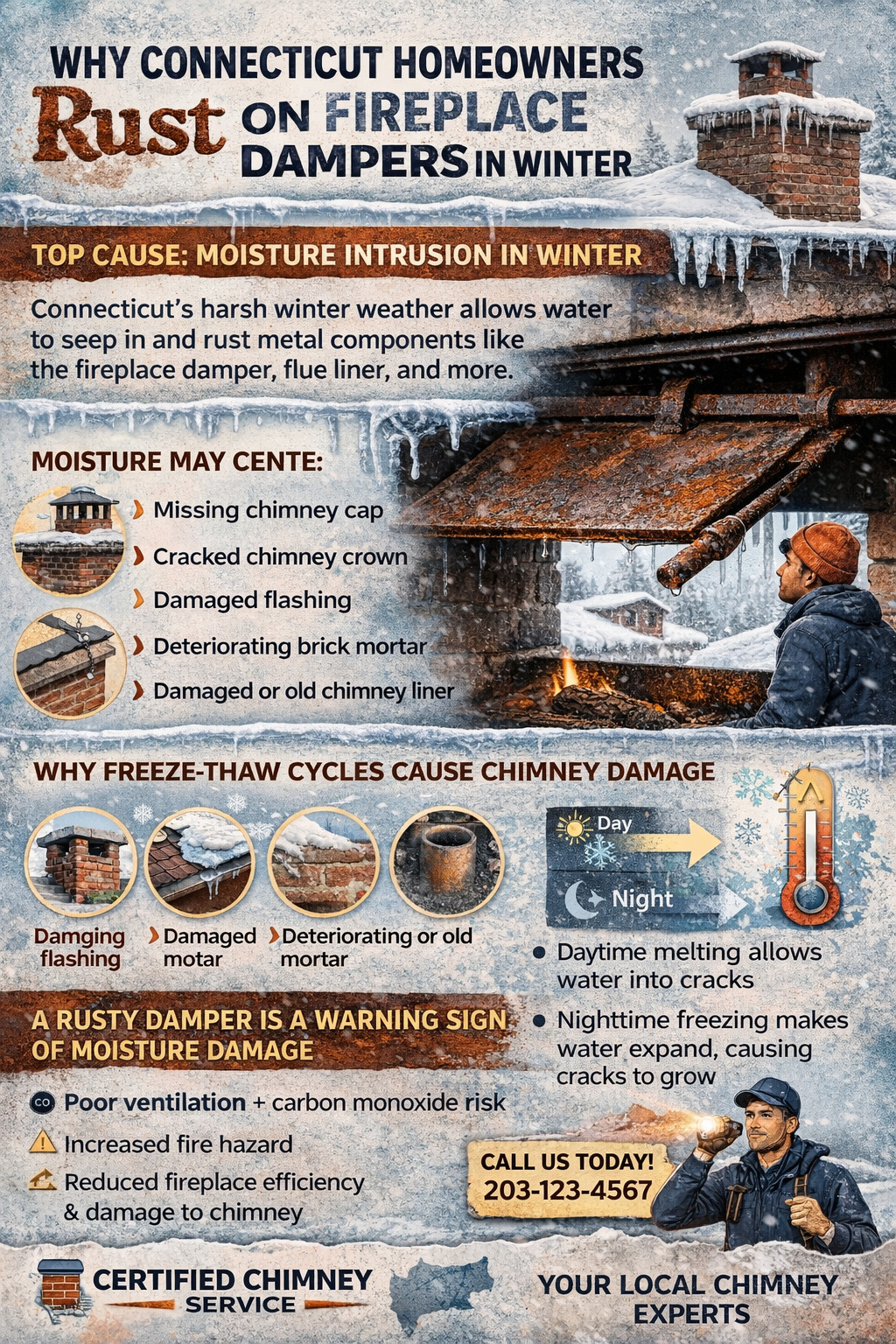
A rusty damper is more than just a mechanical problem. It can affect ventilation and overall chimney safety. When the damper cannot open or close properly, airflow becomes restricted and gases cannot exit the chimney as they should. This can reduce fireplace performance and increase the risk of harmful gases staying inside the chimney system instead of venting safely outside.
The Centers for Disease Control and Prevention explains that blocked or damaged chimneys can allow carbon monoxide to enter the home and create serious health risks.
Other warning signs that moisture damage is affecting your chimney include:
These problems often indicate deeper structural issues.
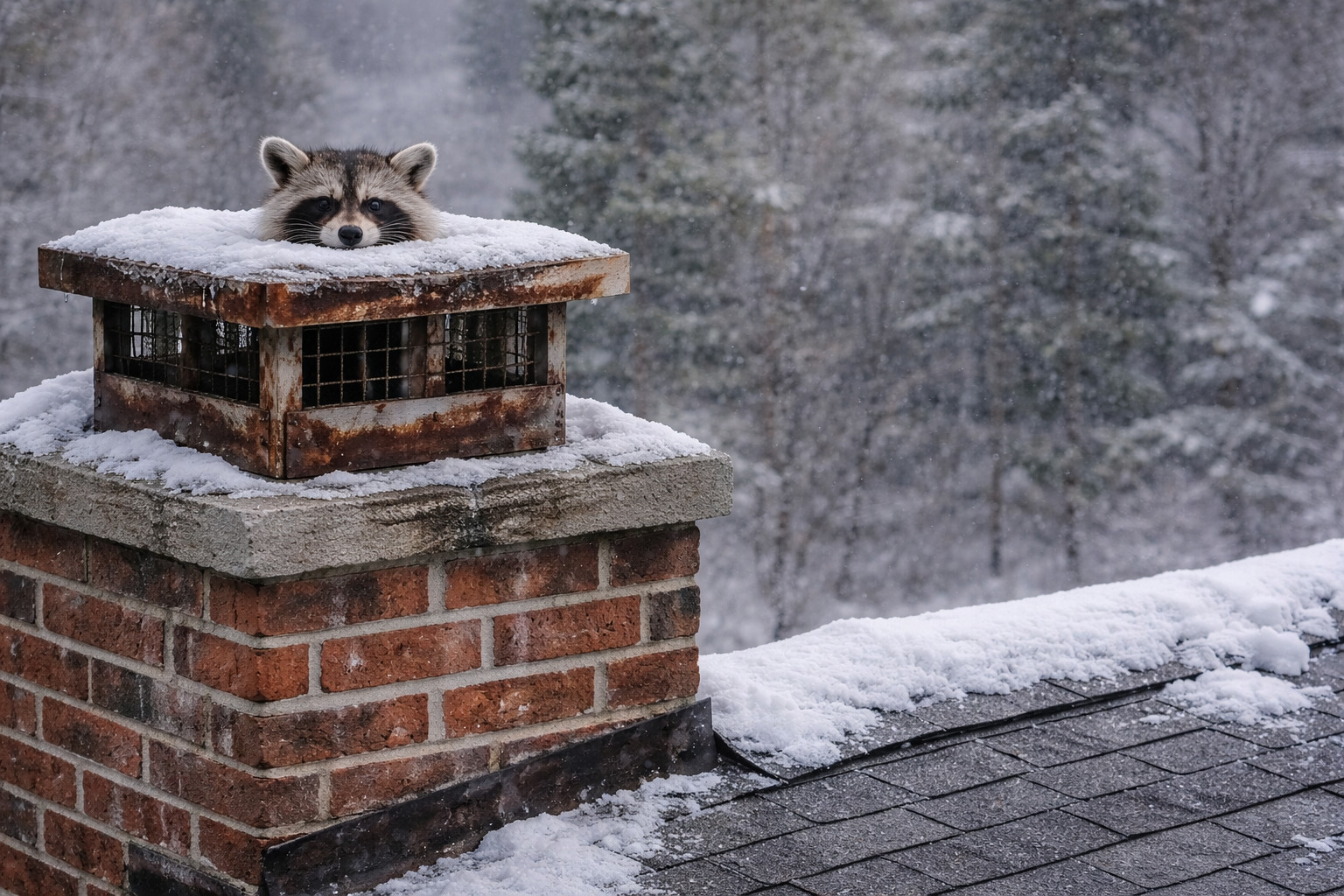
A properly installed chimney cap is one of the most effective defenses against moisture intrusion, especially during Connecticut’s harsh winter months. It acts as a protective cover at the top of the chimney, preventing rain, snow, and debris from entering directly into the flue. Without a chimney cap, water infiltration can damage the chimney liner, rust metal components like the chimney damper, and weaken the surrounding masonry. Over time, this moisture can lead to more serious structural issues and reduce the overall lifespan of the chimney system.
The National Fire Protection Association chimney safety resource highlights chimney caps as a critical component in protecting chimney systems from water damage.
Without a chimney cap, water can:
This is one of the most common causes of chimney moisture problems in Connecticut homes.
The chimney crown plays a critical role in protecting the entire chimney system by pushing water away from the opening and preventing water pooling on top. When the crown develops cracks, water begins to seep into the masonry below, especially during periods of heavy snow accumulation and repeated freeze–thaw cycle conditions. As this continues, moisture can cause brick spalling, weaken mortar joints, and lead to hidden water leaks that affect nearby firebox components, including throat dampers and top-sealing dampers.
Over time, this moisture can drip down toward the fireplace insert, cause rust on the fireplace gate, and even contribute to smoke damage inside the home. In some cases, a damaged crown also allows water to collect around the chimney rain pan, increasing the risk of deeper structural deterioration. During a routine chimney sweep or chimney services Service Call, technicians often find crown cracks early, before they lead to costly repairs or compromise chimney safety standards.
Chimney flashing seals the area where the chimney meets the roof. When flashing fails, water enters the chimney structure.
According to the International Association of Certified Home Inspectors flashing guide, flashing failures are one of the most common causes of chimney leaks.
Flashing damage often leads to:
This type of damage often goes unnoticed until rust appears.
This is why regular professional chimney cleaning is essential, especially in Connecticut where winter weather and freeze thaw cycles put extra stress on chimney systems.
During a cleaning, technicians look for:
Scheduling a professional chimney inspection with Certified Chimney Connecticut can help identify moisture problems early before they lead to costly structural repairs.
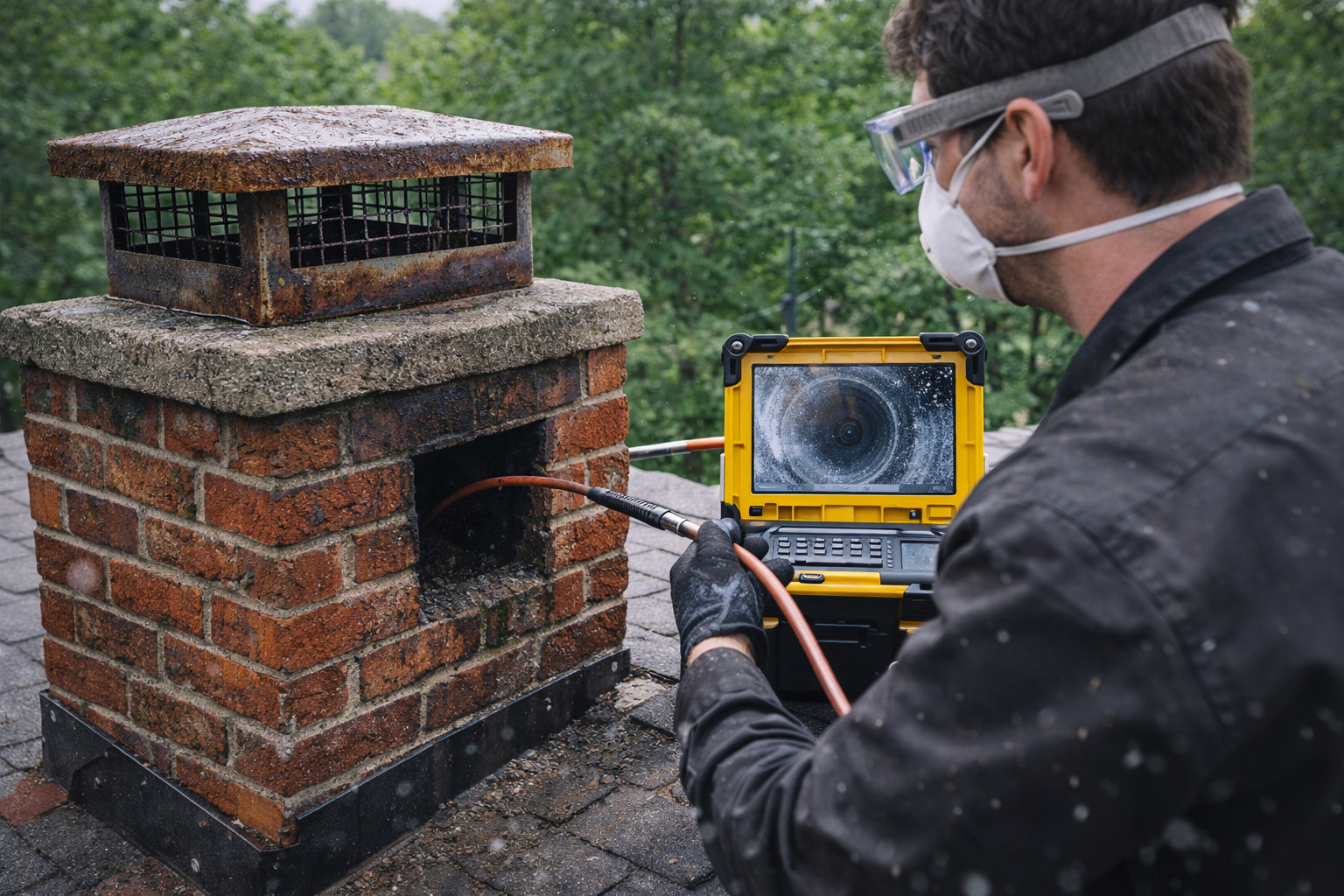
The Chimney Safety Institute of America inspection levels explanation outlines how Level 1, Level 2, and Level 3 inspections help detect hidden damage using specialized tools like video imaging.
Certified Chimney Connecticut often finds rust and moisture issues in older homes throughout Fairfield County and New Haven County, where chimney systems have been exposed to decades of seasonal weather.
Moisture damage affects more than just appearance. It can reduce chimney performance and create safety concerns over time. When water enters the chimney system, it can weaken the chimney liner, damage metal components, and interfere with proper airflow. This can make the fireplace less efficient and increase the risk of ventilation problems, which is why moisture issues should be addressed as soon as they are discovered.
Common long term effects include:
If ignored, these problems can eventually require major chimney repairs or rebuilding.
A rusty fireplace damper is one of the earliest warning signs that moisture is damaging your chimney system. While it may seem minor at first, it often indicates deeper structural problems.
Connecticut’s winter climate makes chimney moisture damage more common, especially in older homes.
Routine chimney inspections, proper chimney protection, and timely repairs from Certified Chimney Connecticut help prevent damage and keep your chimney working safely and efficiently.
Article details:
Share:
Continue learning: