Chimney Cap Damage and Why It Matters
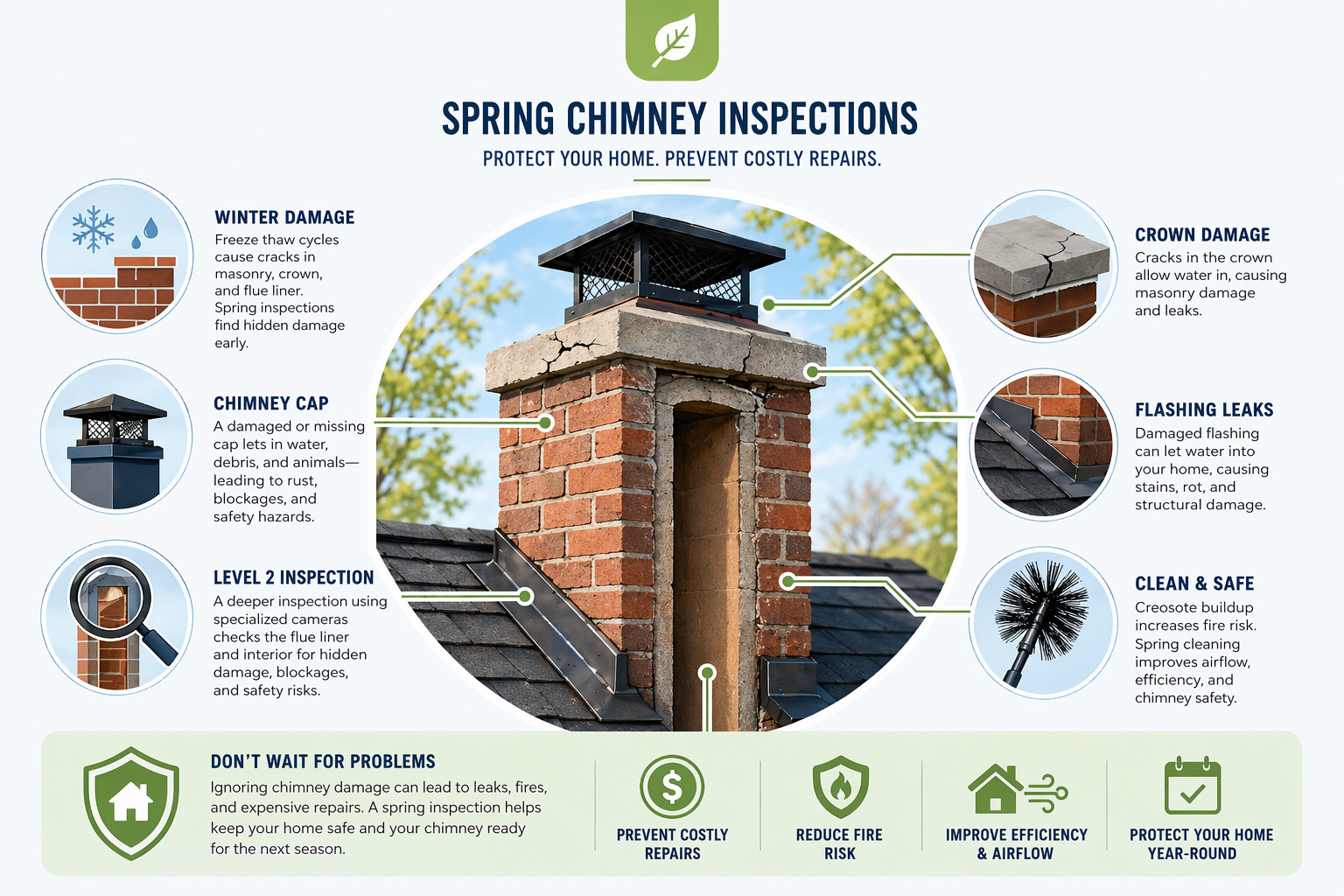
A chimney cap protects the entire chimney system from rain, animals, and debris. During winter, strong winds, ice buildup, and storms can loosen or damage chimney caps. When the cap fails, water enters directly into the chimney flue. This moisture causes rust in metal chimney liners and weakens masonry. It also allows animals to build nests, blocking airflow. This creates fire hazards and poor ventilation. Spring chimney inspections allow a professional chimney sweep to check chimney cap condition and recommend replacement if needed. The Chimney Safety Institute of America confirms chimney caps are essential for preventing moisture damage and improving chimney safety.
Chimney Flashing and the Risk of Water Leaks
Chimney flashing seals the connection between the chimney and roof. Connecticut winters bring heavy snow and ice that can shift roofing materials. This movement creates gaps in flashing. When snow melts in spring, water flows into these gaps and enters the home. This causes chimney leaks, ceiling stains, and wood rot. Over time, moisture damage spreads to surrounding structural areas. Flashing problems are often invisible from inside the home. Spring chimney inspections identify flashing failures early. The Federal Emergency Management Agency explains that water intrusion is one of the most common causes of structural damage in residential buildings.
Chimney Crown Cracks and Masonry Damage
The chimney crown is the concrete surface at the top of the chimney. It protects the chimney interior from rain and snow. During winter, freeze thaw damage creates cracks in the crown. These cracks allow water to soak into the chimney structure. As moisture spreads, mortar damage and chimney leaks develop. Over time, this leads to serious masonry damage and costly repairs. Spring inspections allow professionals to identify crown cracks early. Repairing the crown prevents water damage and extends chimney life. This is especially important in Connecticut where winter conditions are harsh and repeated freeze thaw cycles are common.
What Is a Level 2 Chimney Inspection and When It’s Needed
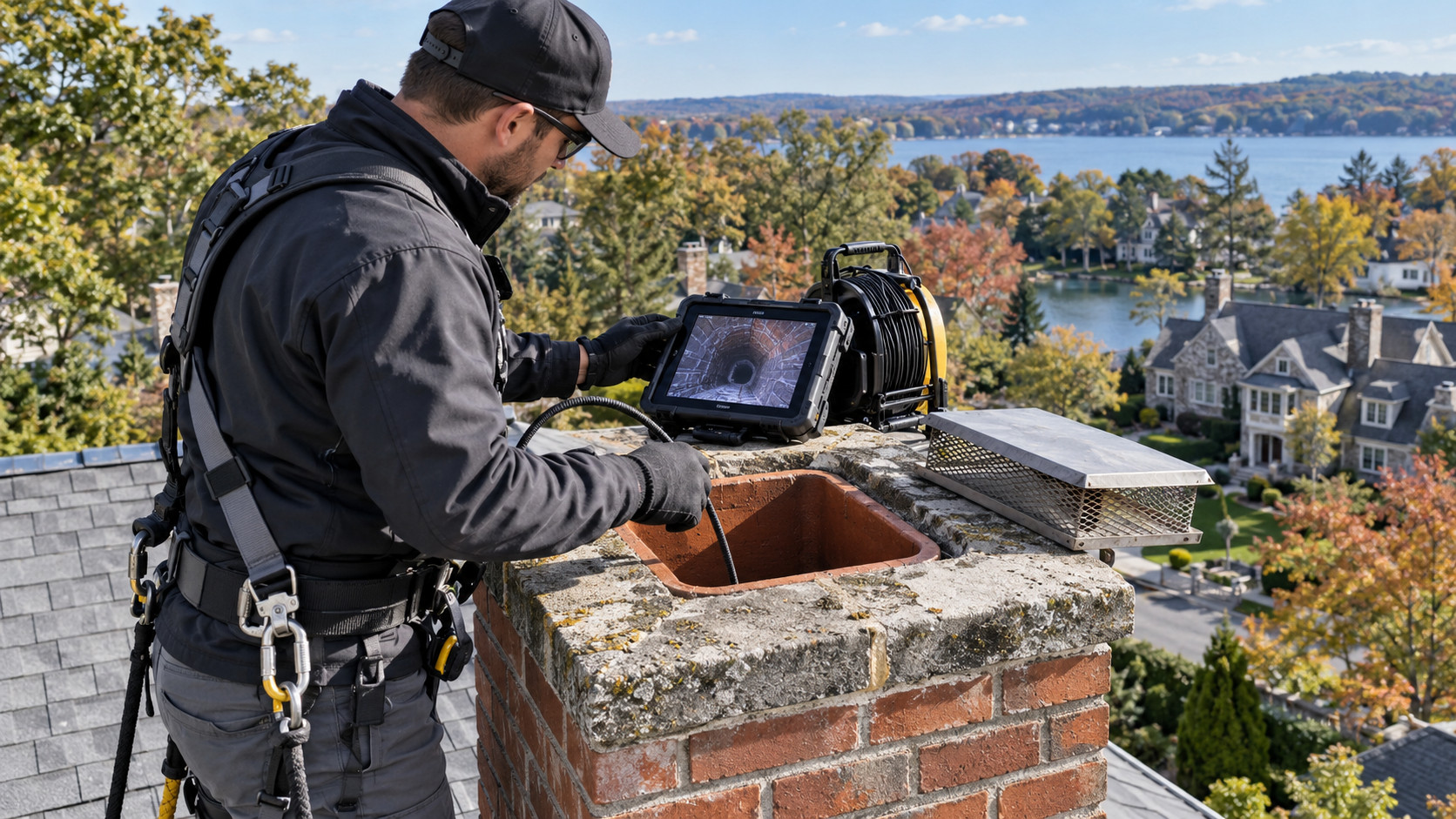
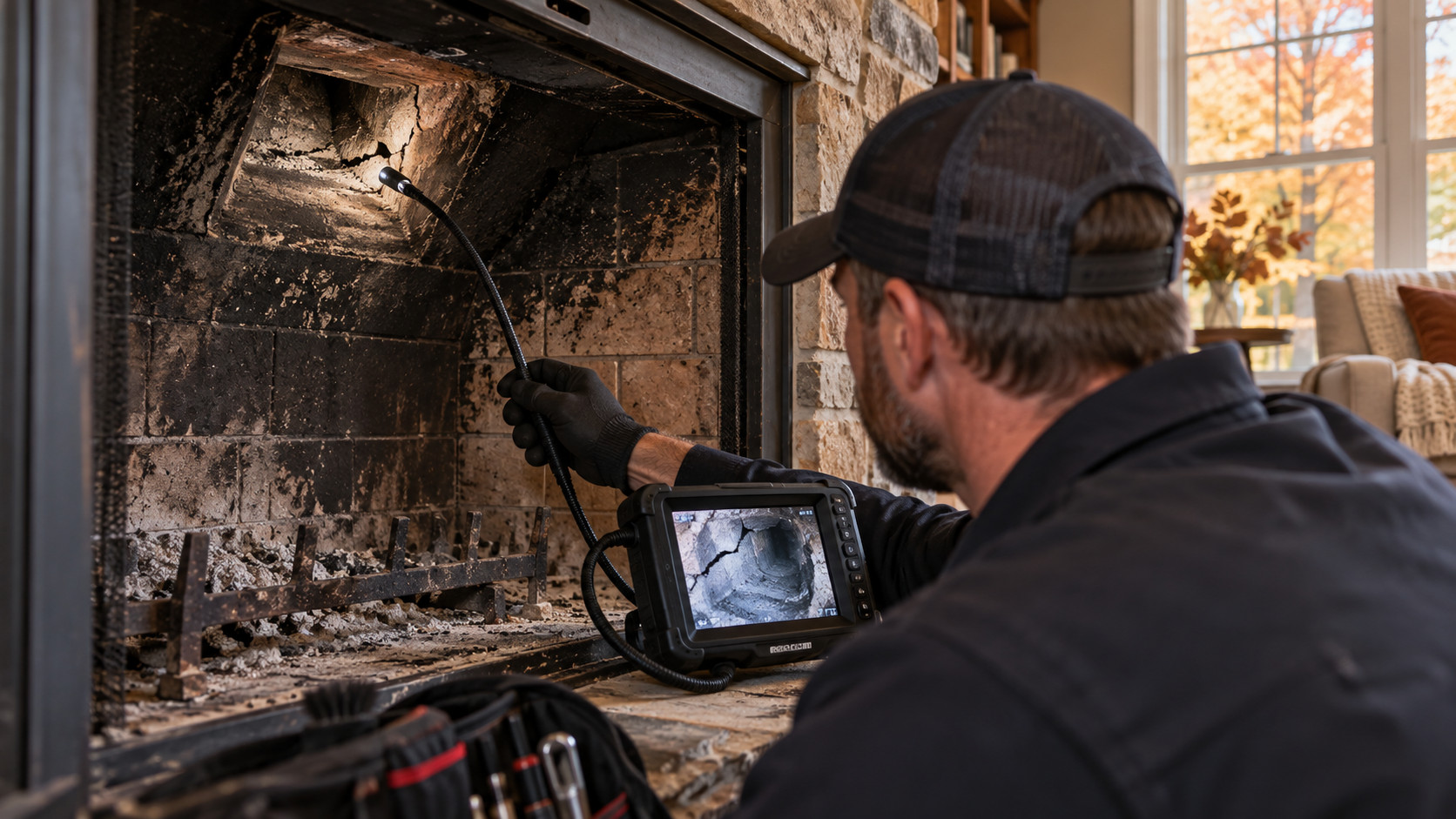
A Level 2 chimney inspection is a detailed evaluation of the chimney interior and exterior. It uses cameras to inspect the flue liner and chimney connection. This inspection is recommended after severe winter weather, chimney fires, or property purchases. Connecticut homeowners often need Level 2 inspections after freeze thaw damage. This inspection finds hidden cracks, blockages, and flue liner damage. According to the National Fire Protection Association, Level 2 inspections help ensure chimney systems operate safely. Identifying problems early prevents chimney fires, improves ventilation, and protects the home.
What Makes Level 2 Chimney Inspections Different
Level 2 inspections go beyond basic visual checks. They examine internal chimney liners using specialized cameras. This allows professionals to see hidden moisture damage and structural issues. This inspection is more thorough than standard chimney maintenance. It provides homeowners with a complete safety assessment after winter.
Creosote Buildup and Chimney Cleaning Needs
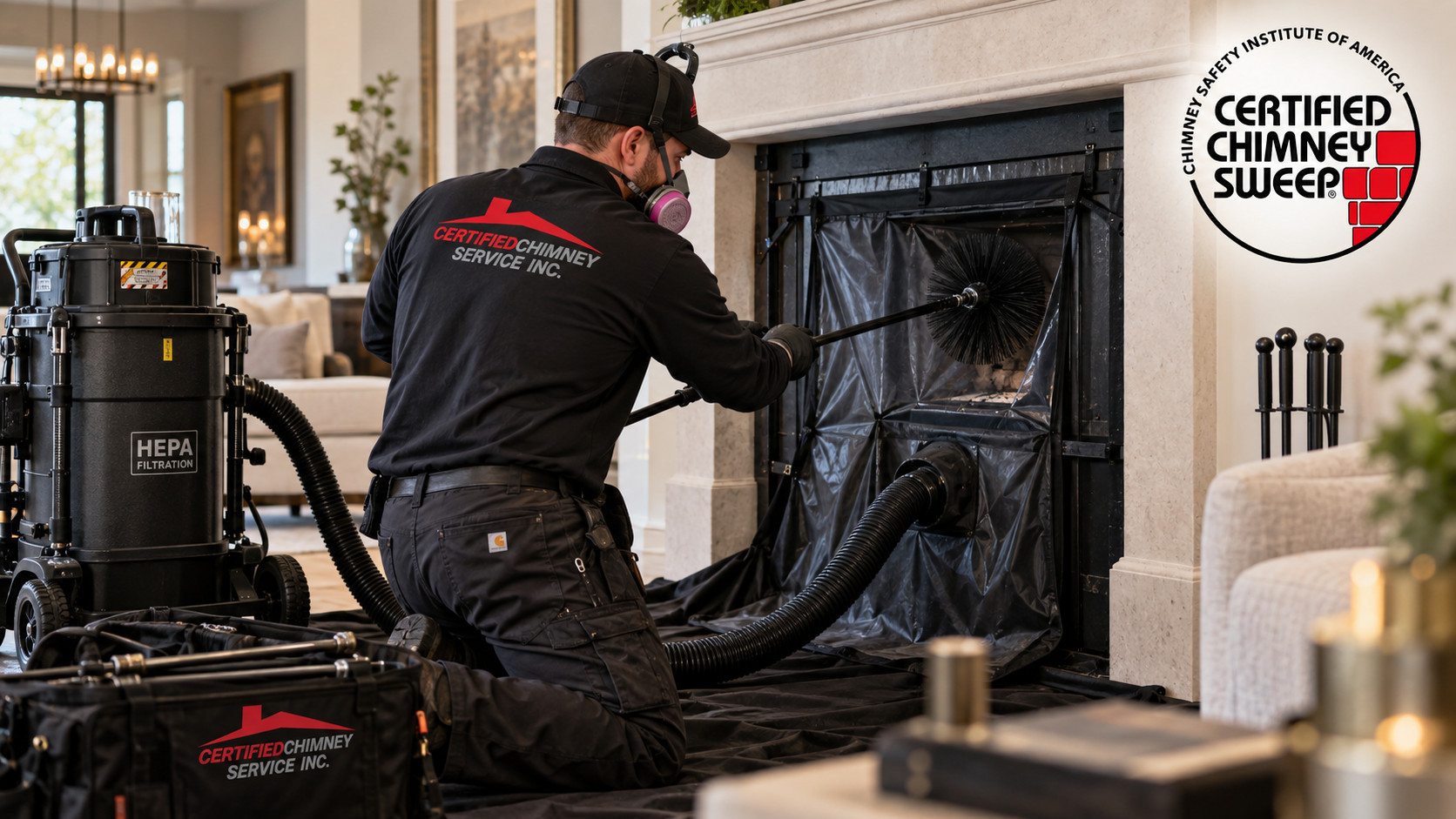
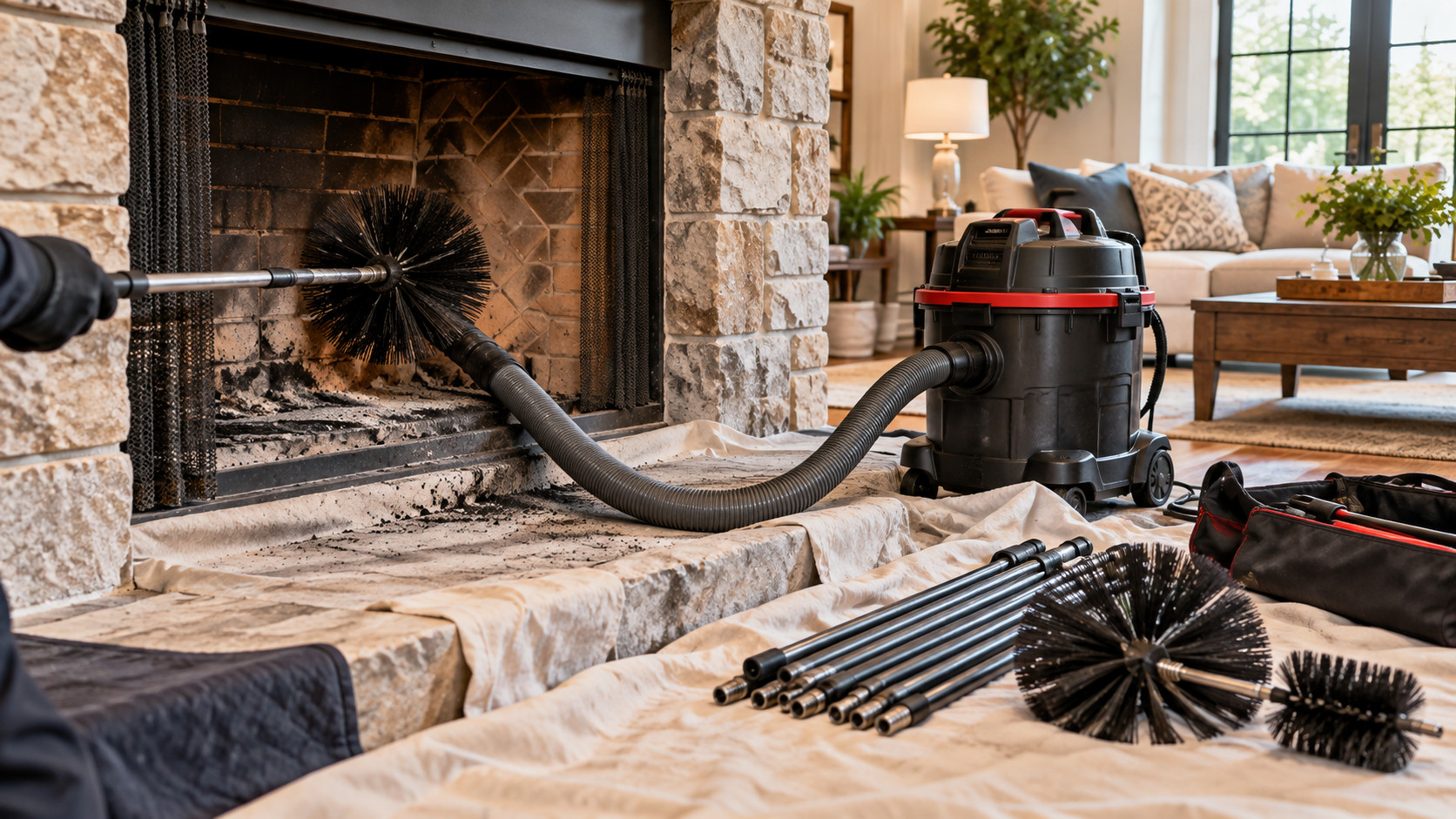
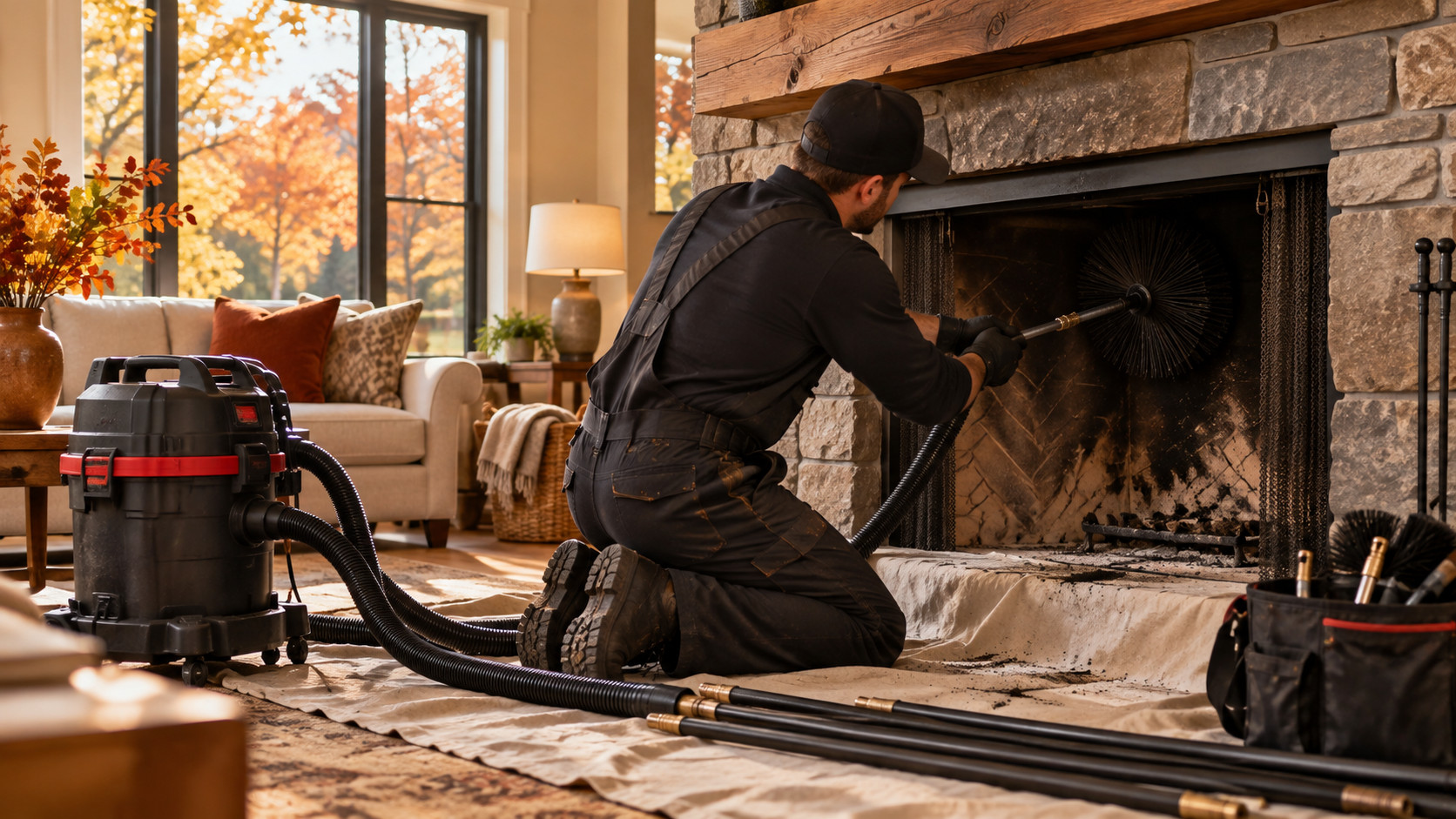
Creosote buildup is a common problem after winter wood stove use. Creosote forms when smoke cools and sticks to the chimney flue. Over time, it becomes thick and highly flammable. This increases the risk of chimney fires. Spring chimney cleaning removes creosote buildup and restores proper airflow. Professional chimney sweep services ensure safe removal and reduce fire risks. The Environmental Protection Agency explains that regular chimney cleaning improves air quality and reduces fire hazards. Connecticut homeowners benefit by improving safety and preparing their chimney for future use.
What Happens If You Ignore Chimney Damage
Ignoring chimney damage allows problems to grow worse over time. Small cracks become large structural failures. Moisture damage spreads into walls and ceilings. Chimney leaks cause mold growth and interior damage. Flue liner cracks increase fire risk and reduce efficiency. Eventually, homeowners face expensive chimney repairs or full chimney rebuilds. Spring chimney inspections prevent this outcome. Early detection allows affordable chimney maintenance. This protects the home and ensures chimney safety. Connecticut homeowners avoid costly emergencies by scheduling inspections each spring.
Schedule a Professional Chimney Inspection in Connecticut
Spring is the best time to schedule chimney inspections in Connecticut. Winter damage is fresh and easier to identify. Professional chimney services can repair chimney caps, flashing, flue liners, and masonry damage. This prepares the chimney system for next winter. Regular inspections extend chimney lifespan and improve safety. Homeowners can learn more or schedule service by visiting the certified chimney professionals at Certified Chimney Connecticut. Their team provides chimney inspection, chimney cleaning, and complete chimney maintenance services across Connecticut.