Cozy Connecticut living room with a decorated holiday fireplace, glowing wood-burning fire, safe mantel décor, and a Christmas tree placed several feet away. Warm lighting, modern but homey style, fire screen in place, winter ambience, high resolution.
Share:
There is something special about winter in Connecticut. The cold settles in across towns like Stamford, Norwalk, and Fairfield, and suddenly everyone wants that warm, crackling fire going while the Christmas tree lights up the living room. But every year, holiday fires increase across the state, often because families underestimate how quickly a small spark can turn into a home fire. I still remember a family from Bridgeport who had their natural Christmas tree too close to their wood-burning fireplace. One ember jumped the screen, and within minutes, firefighters were in their living room. Moments like that stick with you, especially around the holidays.
If you’re planning to enjoy your fireplace this season, these fire safety tips will help keep your home safe while still creating that comforting holiday atmosphere.
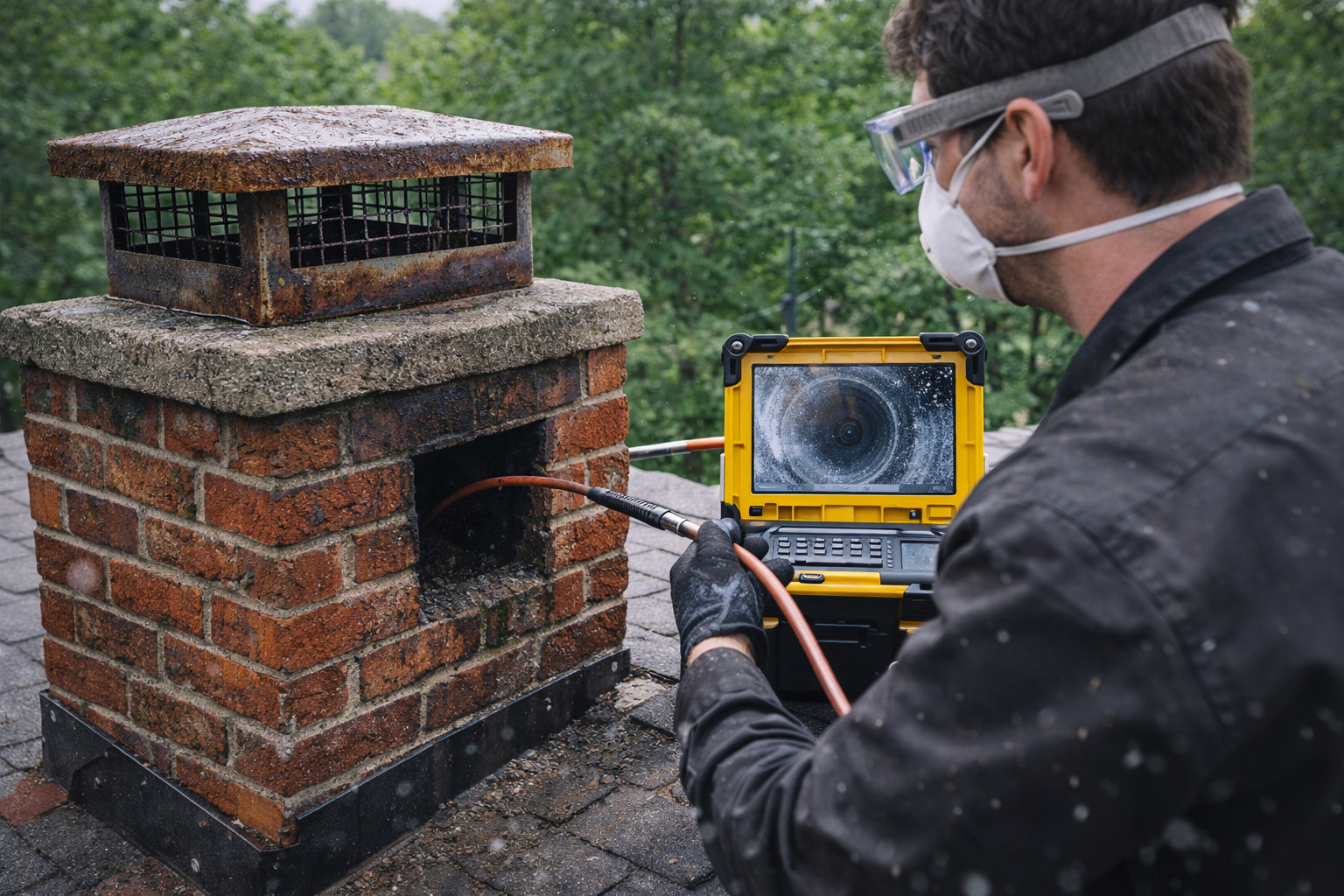
Before your first holiday fire, ensure your chimney system has been inspected by a CSIA Certified Chimney Sweep. A complete chimney inspection includes checking the throat damper, smoke chamber, chimney cap, flue liner, and all venting systems for blockages or deterioration. The National Fire Protection Association recommends yearly chimney cleaning to reduce creosote buildup, chimney fires, and carbon monoxide exposure.
Connecticut winters are long, so if you use your wood-burning fireplace often, early-season cleaning is essential. Proper chimney cleaning improves draft, reduces smoke, and improves energy efficiency by allowing heat to circulate correctly.
In colder Connecticut months, windows stay shut, heating systems run constantly, and fireplaces burn longer. This means carbon monoxide detectors and smoke alarms become your most important safety devices. The United States Fire Administration recommends installing detectors on every level of the home and near every bedroom.
Test them monthly, replace batteries every year, and upgrade to long life smoke detectors if your system is older.
A working smoke detector can double your chance of surviving a home fire. Families in older homes, especially in areas like New Haven and Danbury, should be extra vigilant as older wiring and older venting systems pose additional fire hazards.
Burning seasoned, dried hardwood is the safest choice for holiday fires. Woods like oak, maple, and hickory burn hot and clean, reducing creosote buildup.
Avoid burning:
If you use a gas fireplace insert, gas log set, or gas-fired wood stove, make sure your gas line and gas connections are inspected routinely. Proper visual inspection ensures safety and compliance, especially during longer burn times in the winter.
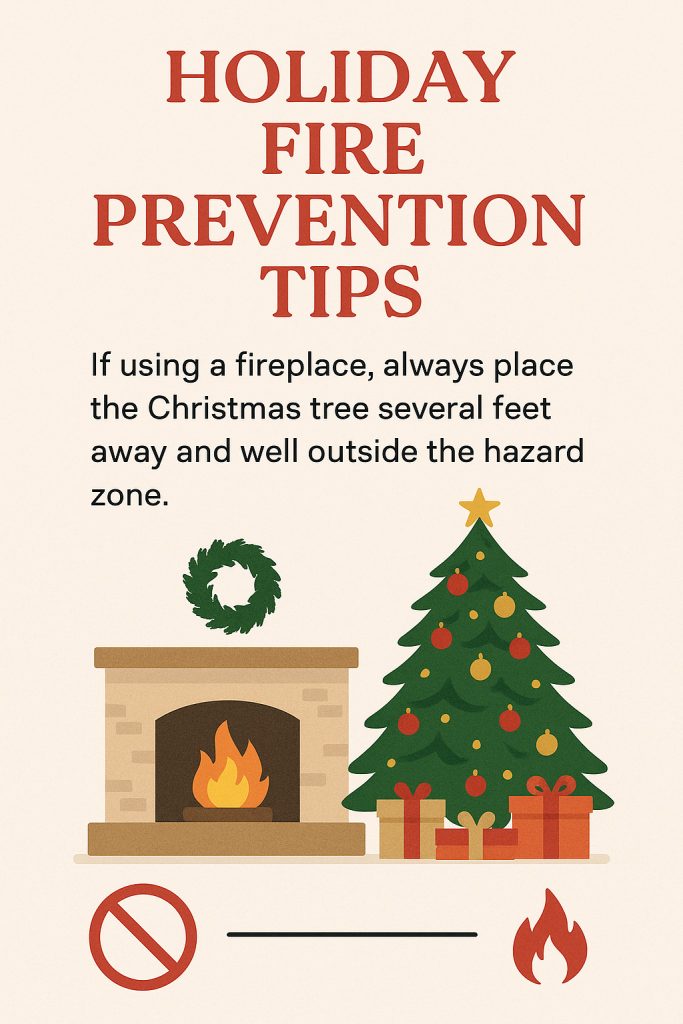
Connecticut homeowners love decorating around the hearth, but holiday décor is one of the biggest sources of fire risk this season. Christmas trees, whether natural or artificial Christmas trees, must be kept a safe distance from the fire. Natural Christmas trees dry out fast once indoor heating kicks in, increasing the chance of Christmas tree fires.
According to the Red Cross, December and early January see a significant spike in holiday fires due to overloaded electrical circuits, wax candles, and decorations placed too close to fireplaces.
Even with glass doors, radiant heat can still ignite nearby materials. A fire screen adds extra protection by catching sparks that escape the firebox.
The U.S. Fire Administration explains that your chimney should extend 3 feet above roof penetration and at least 10 feet away from any obstruction for proper draft and reduced fire risk.
Before bed or before leaving home, the fire must be completely extinguished. Spread remaining logs, cover embers with ash, and close the damper once cooled.
Always place ashes into a metal container and store it outside on a non-combustible surface. Ashes can smolder for hours, sometimes even days, without appearing hot.
Families with young children or pets should consider adding a safety gate to create distance between them and the fire.
Here’s a quick review to keep your home safe this season:
These fire safety steps can significantly reduce the risk of home fire or heating fires, allowing you to relax and enjoy the season.
Whether you live in Hartford, Greenwich, Stratford, or anywhere in between, holiday fireplace safety should always come first. With a few precautions, you can enjoy every cozy moment without taking unnecessary fire risks.
If you need chimney cleaning, fireplace inspection, or chimney sweep services this season, Certified Chimney Connecticut is here to keep your home safe, warm, and ready for the holidays.
Article details:
Share:
Continue learning: