When temperatures drop across Connecticut, many homeowners turn to portable space heaters or their fireplace for extra warmth—but not all heating methods offer the same level of safety. Space heaters may provide quick heat, but they also pose electrical, tip-over, and carbon monoxide risks when used improperly. Fireplaces and wood stoves, on the other hand, offer a more stable and reliable heat source when maintained correctly. Understanding the key differences between these two heating options can help you keep your home warm and safe throughout the winter season.
Share:
Winter in Connecticut hits differently. Once temperatures drop across towns like Stamford, Bridgeport, and New Haven, families look for safe ways to heat their homes. Some pull out the portable space heaters, while others turn to their wood stove or fireplace. Growing up in Fairfield County, I remember how common space heaters were in older homes that lacked even heating. But I also remember the fire department responding to several structure fires because a heater tipped over or overloaded an extension cord.
As winter storms get stronger and power outages become more frequent, understanding the risks of space heaters compared to fireplaces is essential. Both can heat your home, but their safety profiles are very different, especially when used daily during the coldest months.
Portable heaters are popular because they feel convenient. Plug it in, face it toward the coldest part of the room, and you get instant heat. But convenience is exactly why electric space heaters, kerosene heaters, and other portable heaters are among the leading causes of winter heating accidents.
According to the National Fire Protection Association, heating equipment is one of the top causes of home fires, and nearly half of all heating-related fires happen during winter months.
Many space heater incidents begin with overloaded electrical circuits. Homeowners often connect heaters to extension cords, power strips, or older outlets. These devices draw a significant amount of electricity, and when wiring cannot handle the load, an electrical fire starts behind the wall before anyone notices.
The U.S. Consumer Product Safety Commission warns that electric space heater malfunctions lead to thousands of fire claims every year, often due to failing components that were never tested by a certified testing laboratory such as Underwriters Laboratories.
Portable space heaters are prone to overheating, especially when placed too close to furniture, blankets, or holiday decorations. Even newer models with automatic shut-offs fail occasionally, and older heaters often lack modern safety standards.
Kerosene heaters, liquid fuel heaters, and gas heaters also release fumes that can build up indoors. In poorly ventilated homes, these fumes become an indoor hazard that increases the risk of CO poisoning.

Fuel-burning appliances produce carbon monoxide. The Centers for Disease Control and Prevention reports that carbon monoxide poisoning spikes during winter storms and power failures because people rely on unsafe heat sources like kerosene heaters or camp stoves indoors.
Symptoms like dizziness, nausea, and confusion can appear suddenly, and without carbon monoxide detectors or CO alarms, families often do not realize the danger until it is serious.
When properly maintained, fireplaces and wood stoves offer steady heating with far fewer electrical risks. Many Connecticut families rely on fireplaces during power outages because they can produce heat without electricity.
Whether you have a wood stove, gas fireplace, or a traditional masonry chimney, your system operates as a built-in heating source rather than a portable appliance. This gives you more stability, more reliability, and fewer moving parts that can fail.
A wood stove or wood-burning fireplace does not require extension cords, power strips, or electrical wiring. Even a gas fireplace operates with minimal electricity. Without the electrical load, you eliminate the most common cause of heater-related fires.
Fireplaces and wood stoves produce radiant heat that warms the entire room. Unlike portable space heaters that blow heat in one direction, fireplaces provide a more natural and consistent warmth, especially when burning seasoned hardwood.
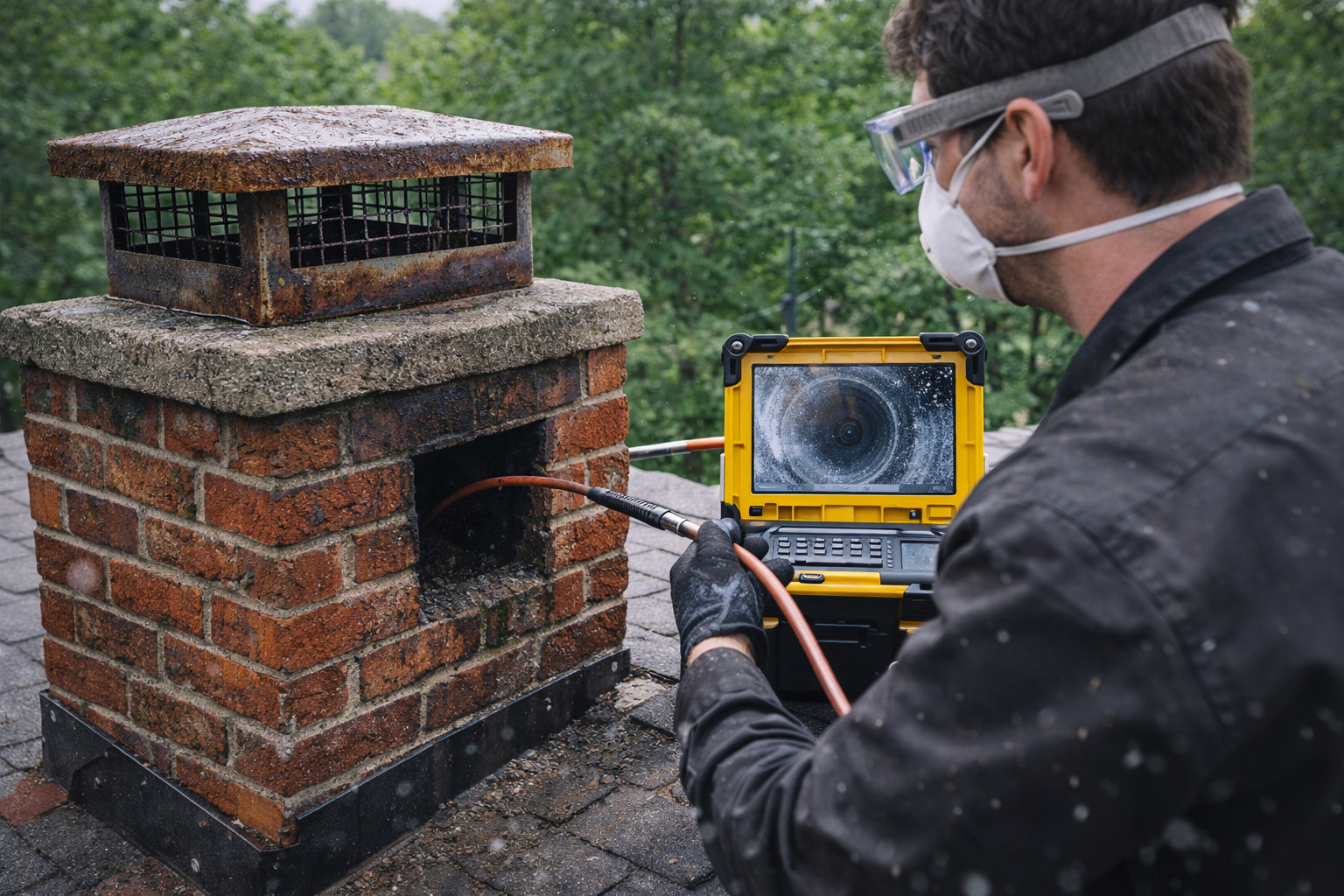
Carbon monoxide is still a concern with fireplaces, but the difference is that fireplaces are designed with built-in venting systems. When you schedule annual chimney cleanings and inspections, your flue, smoke chamber, damper, and ventilation system function safely.
The United States Fire Administration emphasizes that carbon monoxide danger from fireplaces is significantly reduced when a chimney is clear of blockages and draft flows properly.
This is where regular maintenance becomes essential, creosote buildup, animal nesting, and a blocked flue liner can interfere with proper ventilation.
If you decide to use a portable space heater, follow essential safety precautions:
These simple steps reduce, but do not eliminate, the risk of structure fires during the winter months.
A well-maintained fireplace system is safer in winter than portable heaters, especially during power outages. Fireplaces also create a more stable form of heat with fewer electrical concerns.
To maximize safety:
When properly maintained, fireplaces are considered one of the safest home heating equipment options in colder months.
Space heaters become particularly dangerous during New England winter storms, winter storm warnings, icy roads, frozen pipes, and power outages. When electricity fails, homeowners sometimes turn to portable generators or camp stoves inside their homes, which is extremely dangerous.
The Consumer Product Safety Commission strongly warns that generators must never be used indoors, even during emergencies. Without proper ventilation, the risk of CO poisoning rises quickly.
Fireplaces, on the other hand, remain one of the safest emergency heating sources during extreme Cold Weather, power failures, or ice storms, as long as your chimney is clean and functioning.
Both heating sources serve a purpose, but fireplaces consistently show fewer risks when properly maintained. Space heaters create convenient, quick heat but are far more likely to cause electrical fires, tip-over accidents, and carbon monoxide incidents, especially in older Connecticut homes.
Fireplaces provide steady warmth without the electrical hazards, making them a safer long-term winter heating solution for families across Connecticut.
If you rely on your fireplace this winter, make sure it is clean, properly vented, and professionally inspected. Certified Chimney (Connecticut) is here to ensure your chimney, wood stove, or venting system keeps your family safe all season long.
Article details:
Share:
Continue learning: