Creosote, Blockages, and Fire Safety
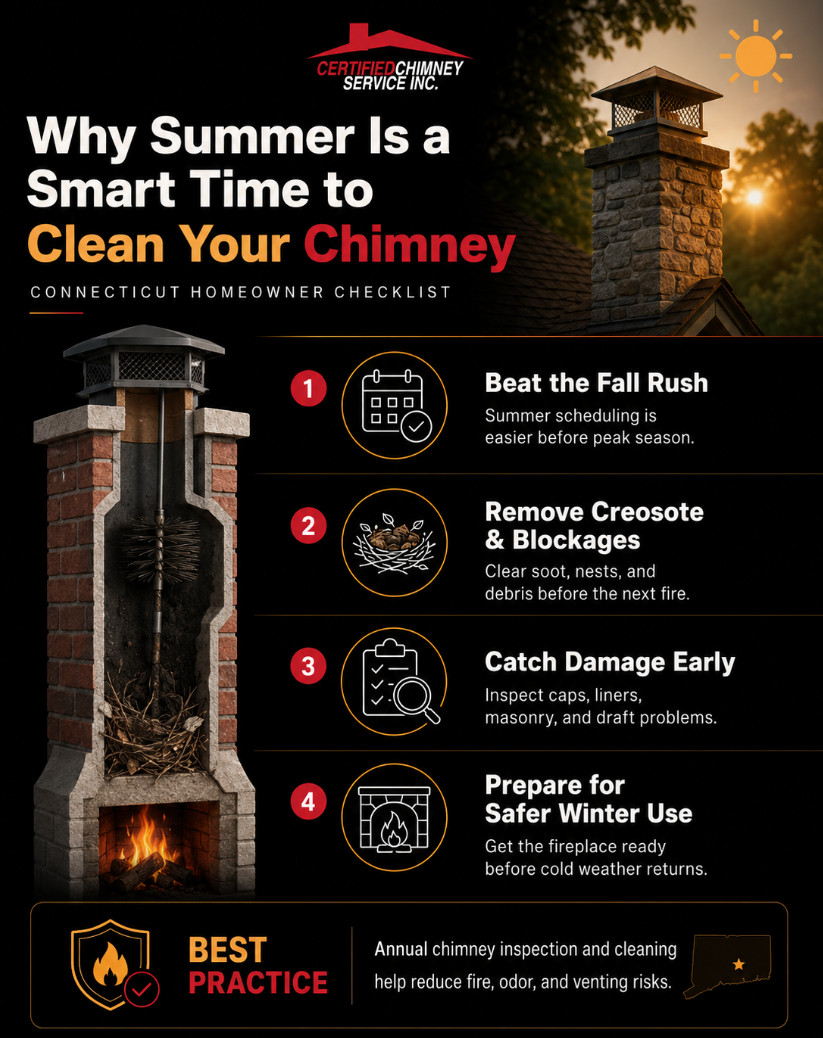
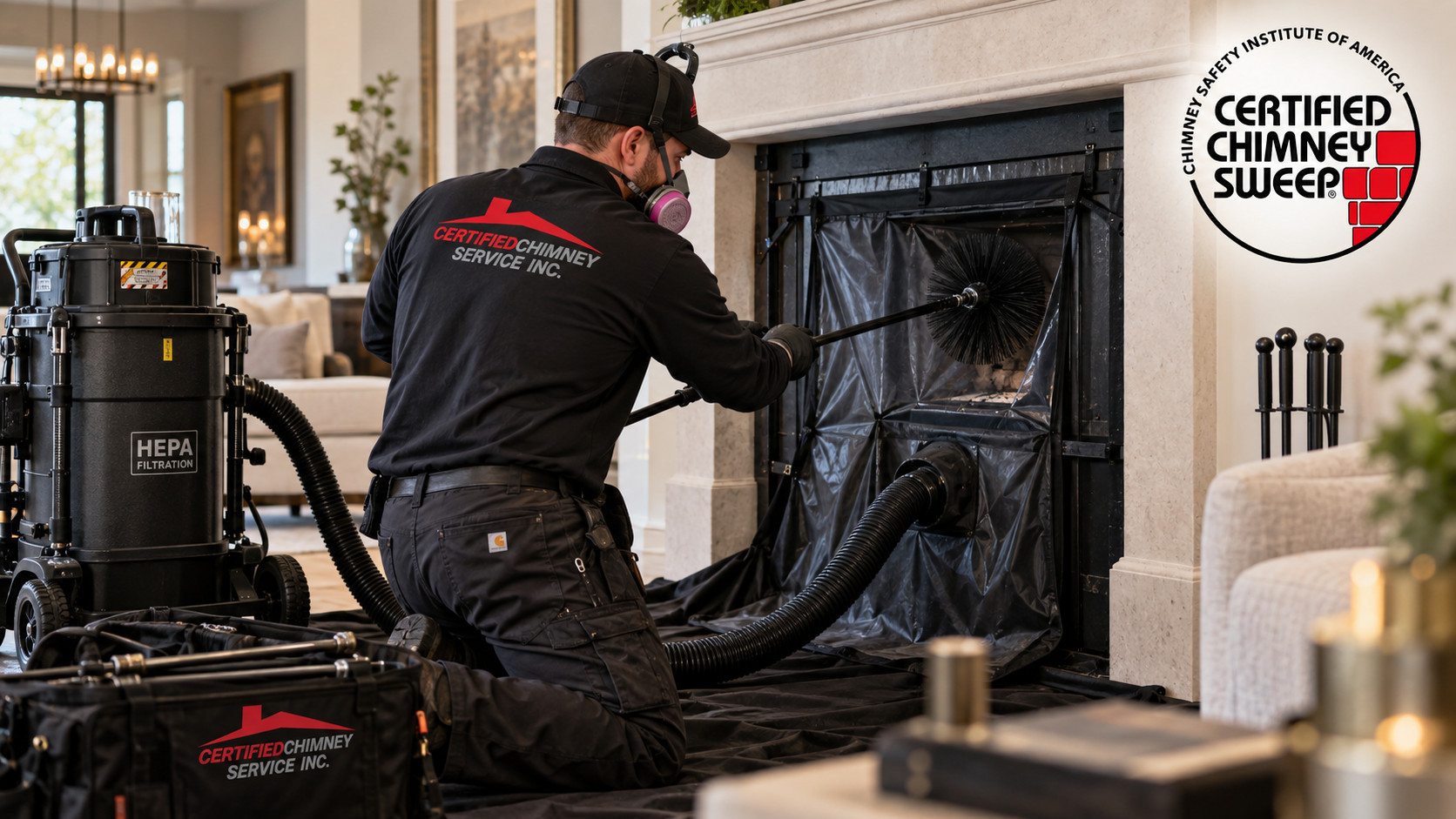
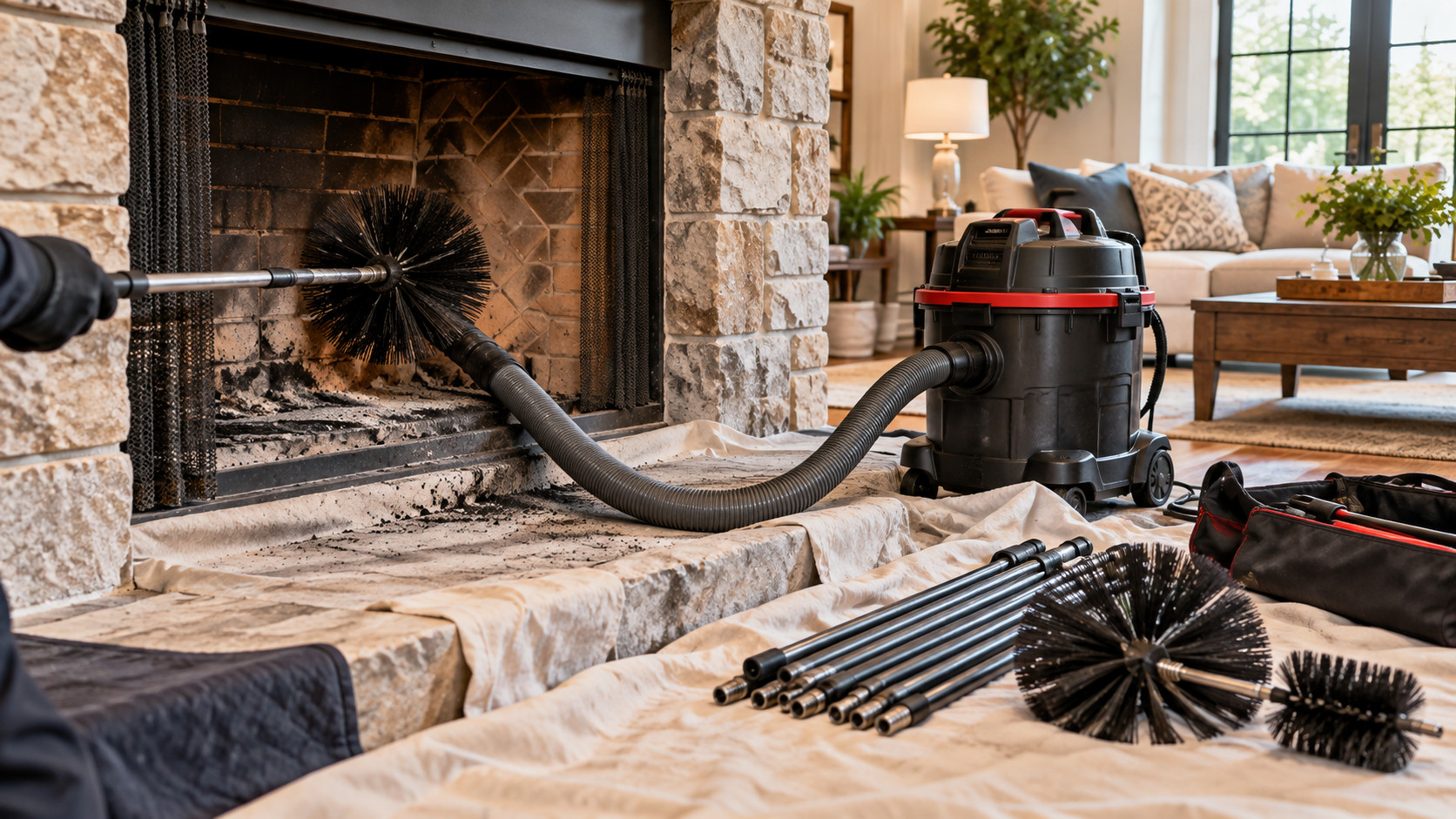
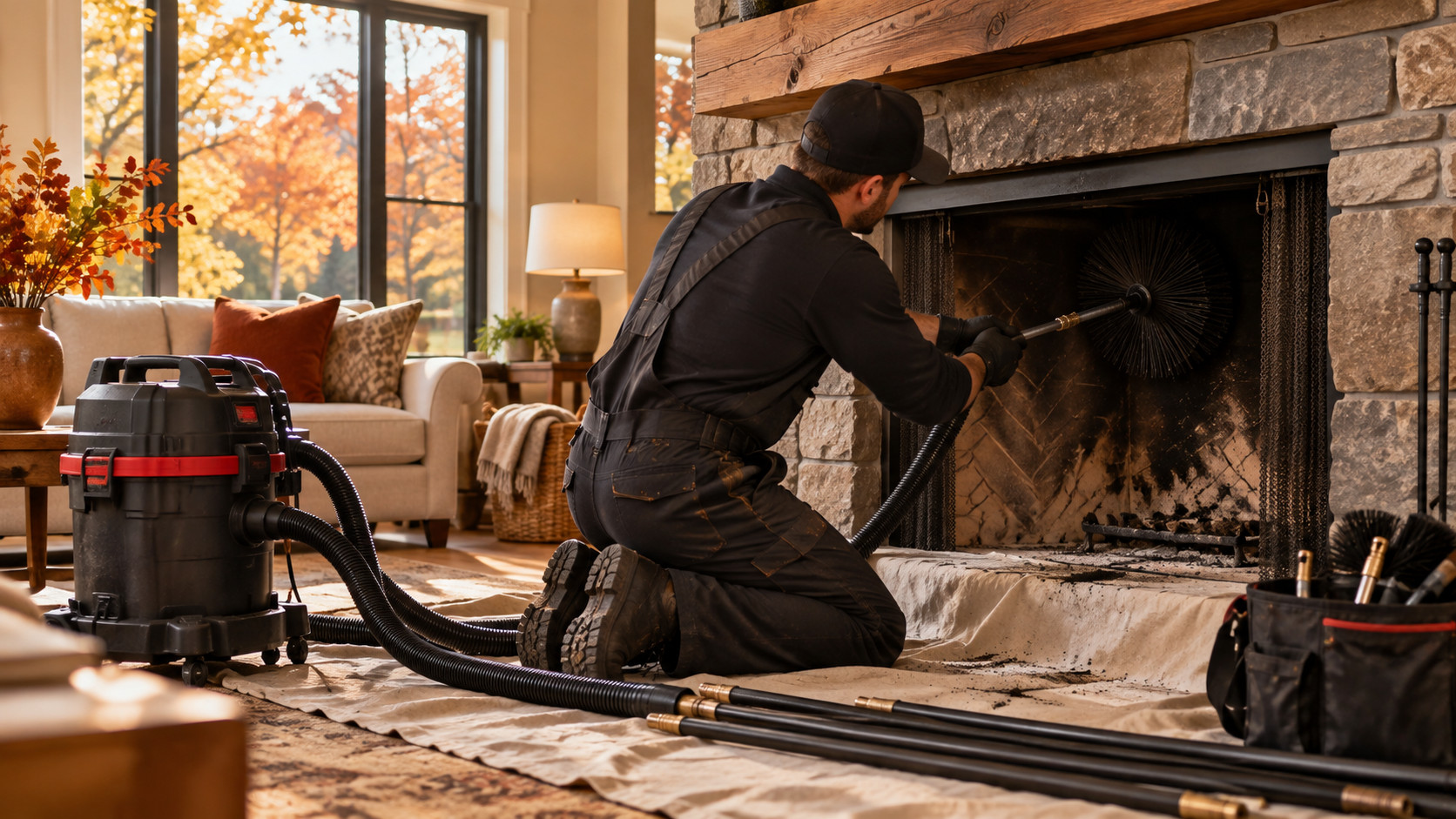
Creosote buildup is one of the biggest reasons to schedule chimney cleaning. Creosote is a fire by-product that can collect inside the flue liner, smoke chamber, and fireplace components. If enough creosote builds up, it can become a fire hazard and increase the risk of a chimney fire. CSIA says annual chimney inspection by a qualified professional can help prevent chimney fires and carbon monoxide intrusion. A professional chimney sweep can also check for animal nests, bird nests, damaged liners, loose caps, and blockages that may interfere with smoke and gases leaving the home.
What Will a Chimney Inspection Check?
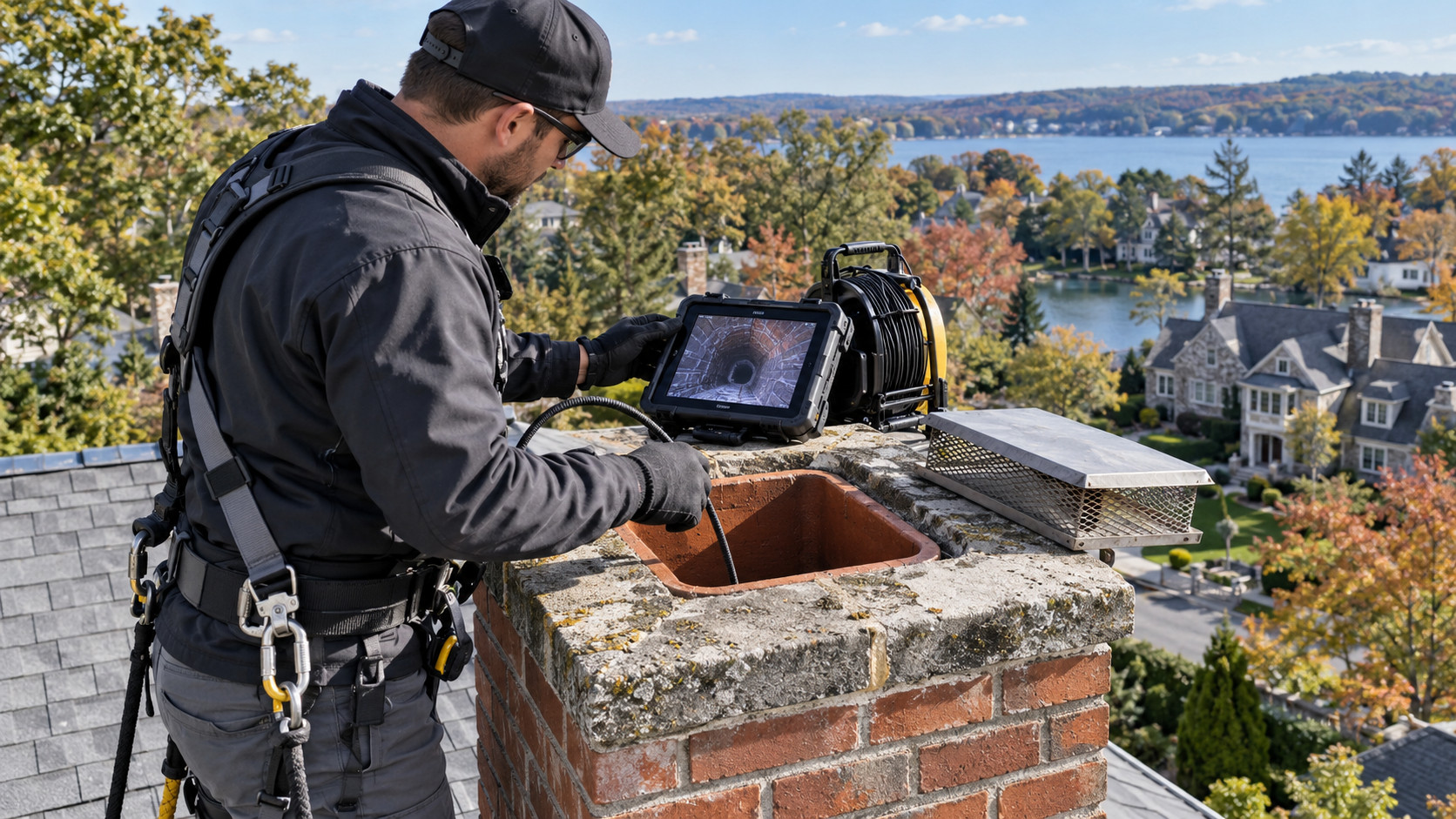
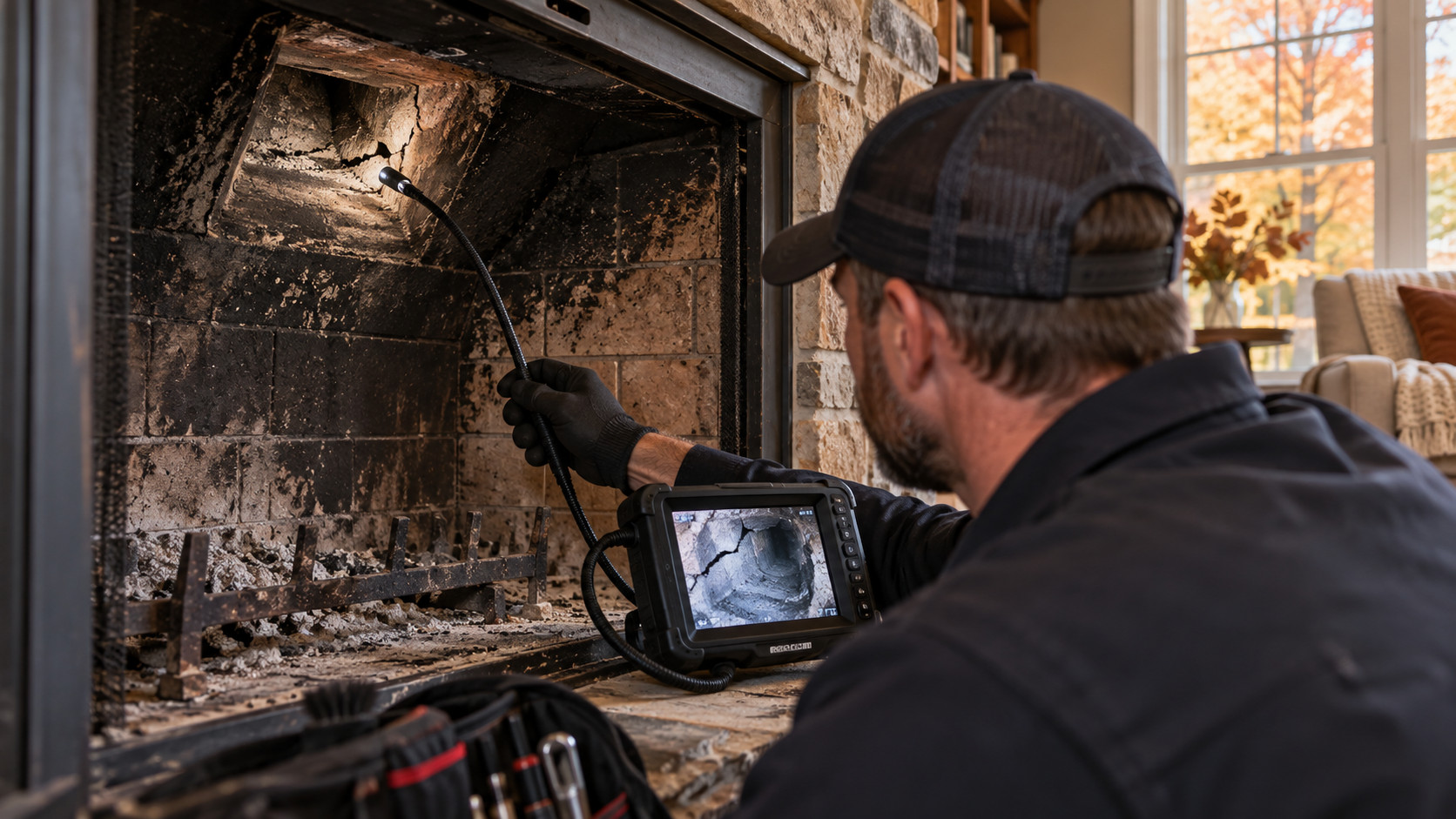
A chimney inspection helps identify safety and performance problems before the fireplace is used again. A certified chimney sweep may review the chimney liner, chimney cap, top-sealing damper, smoke chamber, firebox, masonry, flue system, venting systems, and fireplace draft. The inspection can also reveal water damage, cracked components, poor draft, or signs of carbon monoxide concerns. Homeowners should also keep smoke detectors and carbon monoxide detectors working as part of fireplace safety. Inspection and cleaning together help support better indoor air quality and safer seasonal use.
Extra Care for Connecticut Chimneys
Connecticut chimneys deal with temperature swings, rain, humidity, snow, and freeze-thaw conditions. These conditions can damage mortar, loosen caps, create moisture problems, and affect chimney liner performance. Homes with gas logs, pellet stove systems, free-standing stoves, wood-burning fireplaces, or gas-fired chimneys may each need different service. A long-term care plan may include yearly chimney sweeping, regular maintenance, chimney cap repair, liner repair, waterproofing, and fireplace repair. If someone has recently moved into the home, the chimney should be inspected before use because the prior maintenance history may be unknown.
Schedule Summer Chimney Cleaning in Connecticut
Certified Chimney provides chimney sweep service, chimney cleaning, chimney inspection, chimney maintenance, fireplace repair, chimney liner service, chimney cap repair, and preventative maintenance throughout Connecticut. Summer scheduling gives homeowners more time to handle repairs, remove animal nests safely, address odors, and prepare the fireplace system before the next heating season. Request a free consultation from Certified Chimney Connecticut to schedule chimney cleaning and inspection before colder weather arrives.