Nor’easters are unpredictable in the Northeast, bringing a mix of heavy snow, high winds, ice, and sudden temperature drops that can put major stress on your chimney. Homeowners in Connecticut and surrounding New England towns know how quickly a storm can go from manageable to damaging, especially when moisture, wind pressure, and freeze–thaw cycles hit aging masonry.
Share:
Nor’easters hit the Northeast with a different kind of force. Anyone living in Connecticut, Rhode Island, or along the New England coastline knows that winter storms here can bring torrential rain, heavy snow load, flash freeze conditions, and extreme cold capable of stressing even the strongest roofing system. Chimneys take the brunt of these storms, sitting exposed above the roofline where wind, moisture intrusion, and freeze–thaw cycles can quietly weaken masonry. Preparing ahead of a storm is not just about staying warm. It is about protecting your chimney system, reducing fire hazards, and preventing water damage that only gets worse as winter continues.
Nor’easters combine coastal moisture with powerful wind fields, which increases the risk of ice dams, snow accumulation against chimney stacks, and structural stress on older brickwork. These storms also cause widespread power outages, forcing many homeowners to rely heavily on their wood fireplace, Gas Fireplace, or oil furnace for heat. When heating appliances run longer, the flue and chimney hearth experience higher temperatures and faster buildup of soot or debris. According to the National Weather Service’s winter storm guidance, high winds and heavy snow can also loosen flashing and break down exterior mortar, allowing water penetration long after the storm has passed.
Before a winter storm warning is issued, homeowners should visually assess the chimney’s exterior to check for shingle cracking around the flashing, loose bricks, deteriorated mortar joints, or a missing chimney cap. Any early signs of damage should be addressed before storm conditions arrive. Connecticut’s freeze–thaw cycles are tough on masonry, especially water-struck brick and historic materials commonly found in older homes in towns like Mystic, West Hartford, and Bridgeport.
Water intrusion freezes inside mortar joints during storms, causing expansion that leads to cracks or loose brick ties. Even small gaps can let in moisture that accelerates deterioration. If you see spalling brick, crumbling joints, or gaps around the flue, Certified Chimney can determine whether you need Chimney Repointing, Chimney Liners, or Chimney Restoration to reinforce the structure before more damage occurs.
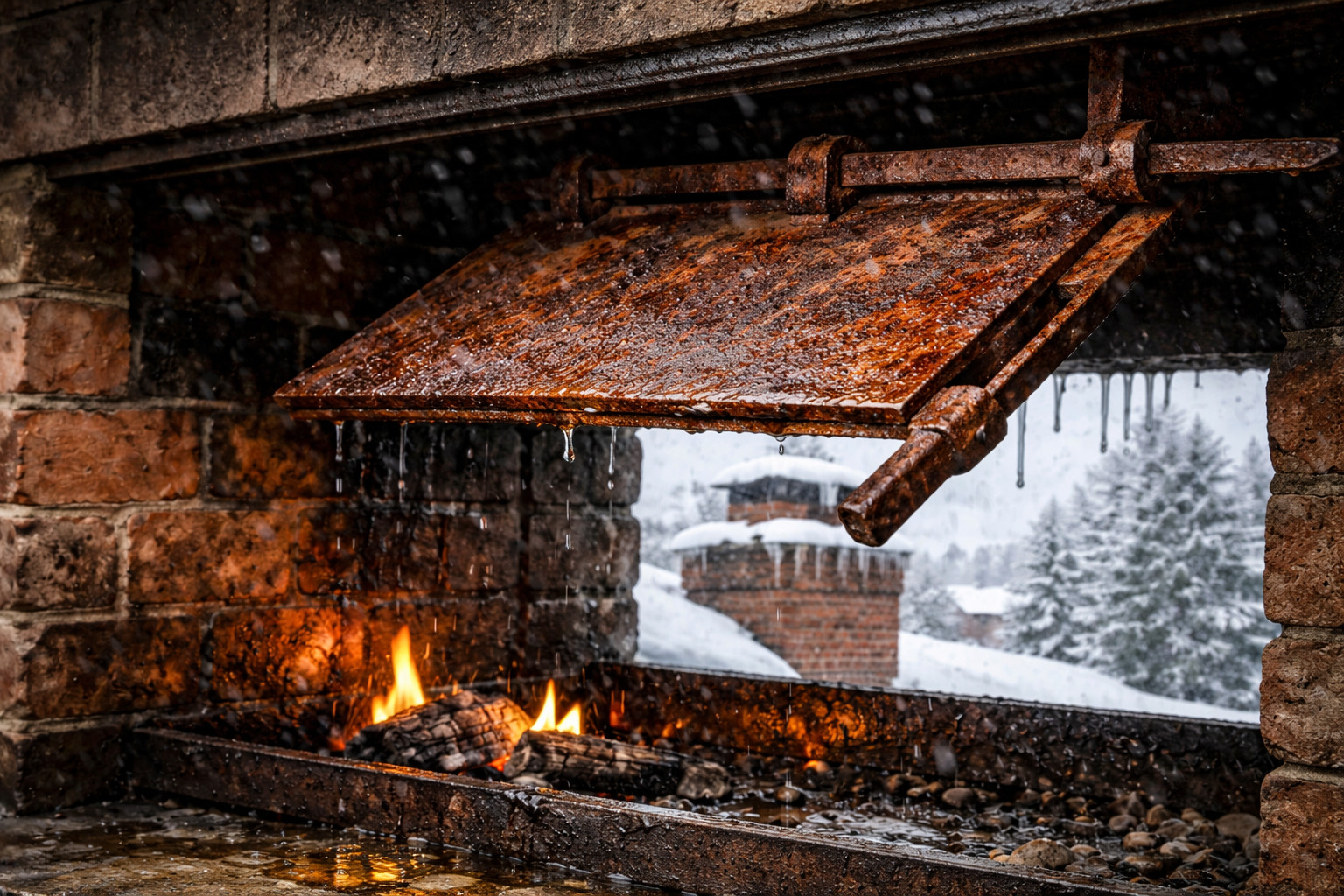
Moisture intrusion is one of the biggest threats during New England winter storms. Ice dams can push melting snow backward under flashing and into roof decks, causing structural damage and water-soaked insulation in the attic. The Rhode Island Department of Health explains on its winter storm safety page that water infiltration during storms can create mold, weaken building materials, and compromise home safety.
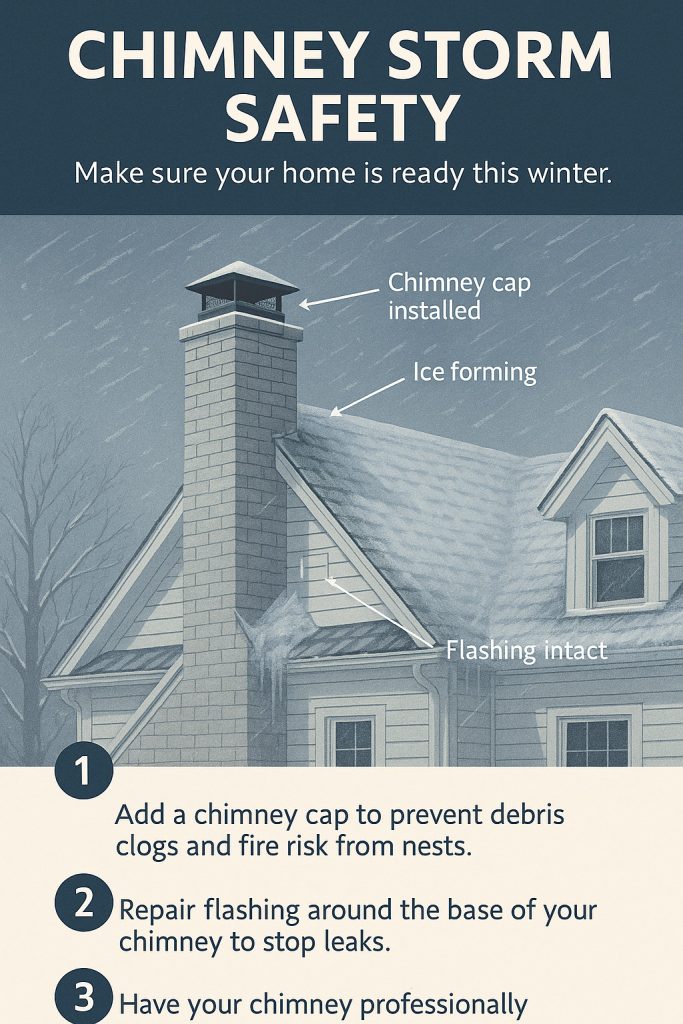
The freeze–thaw pattern of Nor’easters is especially harsh on chimney crowns and exterior flue tiles. Areas with existing cracks can widen during temperature swings. Professional thermal imaging can identify hidden moisture pockets, while a chimney sweep can assess whether freeze damage has reached deeper areas of the chimney system.
When storms approach storm-prone areas, homeowners should schedule chimney inspections or Chimney Cleaning as early as possible. A certified technician can check for loose flashing, missing spark arrestor screens, compromised chimney caps, and debris inside the flue that could block draft during heavy winds.
Look for companies that specialize in Professional Chimney Cleaning, chimney sweeping, and chimney maintenance. A professional chimney sweep will inspect flue walls, verify airflow in Gas Fireplace systems, check chimney liners, and look for soot or creosote buildup that could increase fire risk when heating appliances are used more aggressively during power outages.
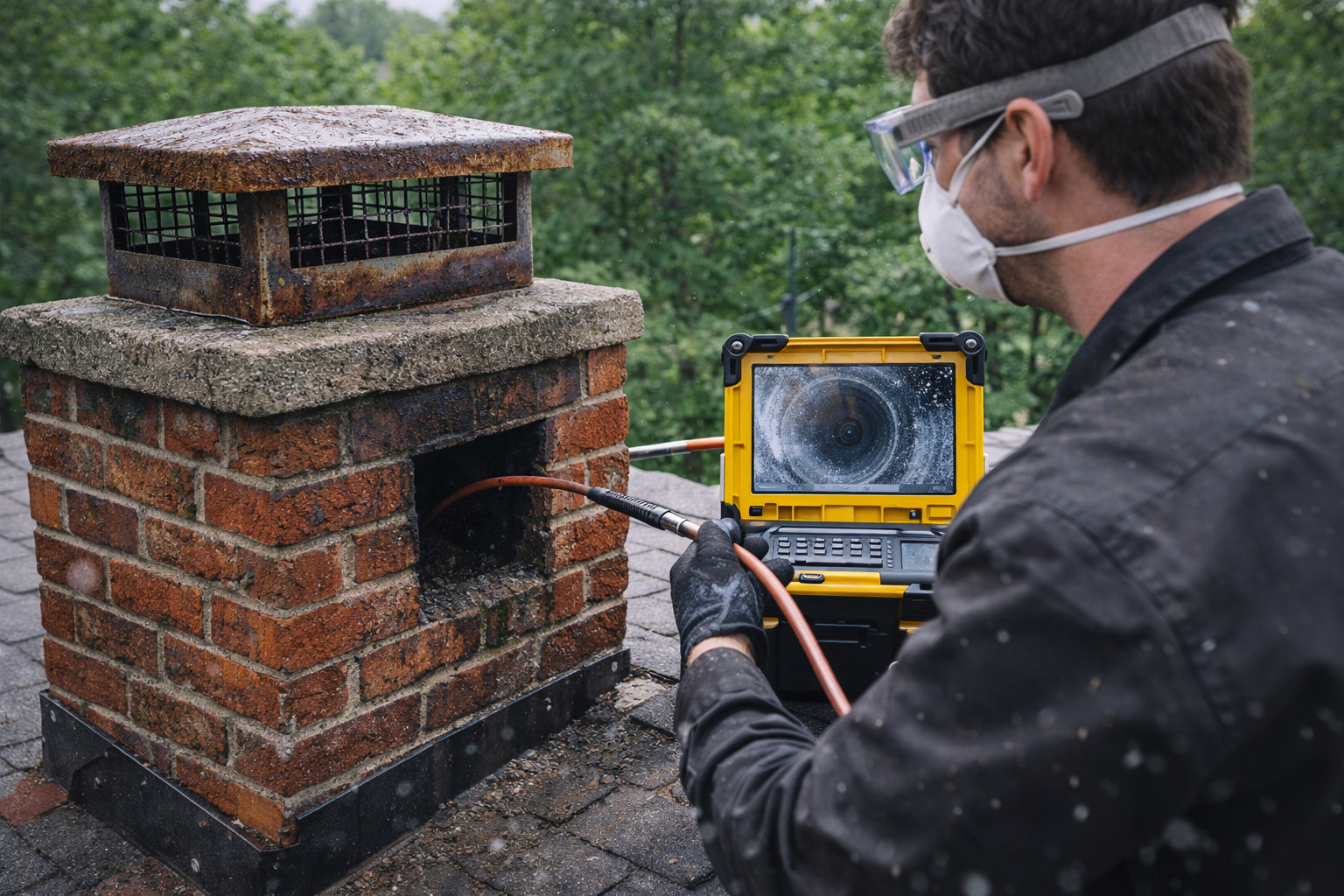
Before a major storm, a full evaluation should include examining mortar joints, testing draft, verifying chimney cap stability, checking ceramic tile linings, and ensuring no moisture intrusion is occurring. Infrared or video inspection tools can reveal internal damage that cannot be detected from the outside.
A clean flue is critical during Nor’easters. Heavy winds create shifting pressure zones that can push smoke back into the home if the chimney is partially blocked. Clearing obstructions reduces the chance of dangerous smoke spillage or carbon monoxide buildup. The Consumer Product Safety Commission emphasizes the importance of working carbon monoxide detectors and CO detectors during heavy winter heating.
Flashing that is loose, torn, or lifting can allow water penetration during storms. Storm windows and attic insulation can help maintain indoor warmth, but the chimney’s exterior seal is what protects your attic ventilation and roof decking from moisture. Repairing flashing before a storm limits future structural problems.
Any damaged mortar needs attention before extreme cold arrives. Mortar failure lets in water, accelerates freeze–thaw deterioration, and increases the risk of chimney leaning or cracking. Repointing before the storm is always more cost-effective than a full rebuild.
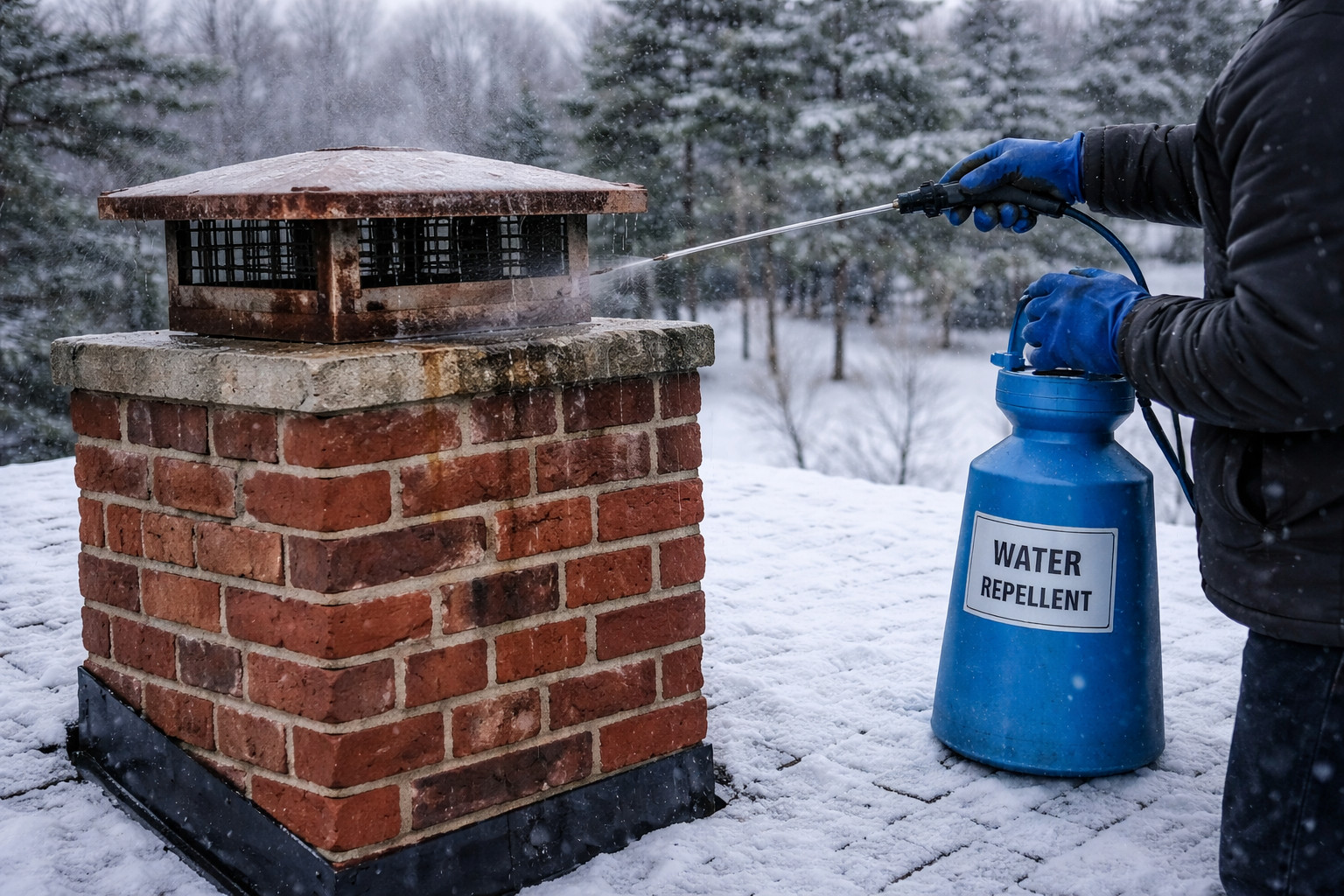
Applying a breathable water-repellent seal coat can help prevent moisture intrusion during Nor’easters. Unlike surface sealers, breathable coatings allow vapor to escape while blocking liquid water, helping preserve historic homes and modern chimneys alike.
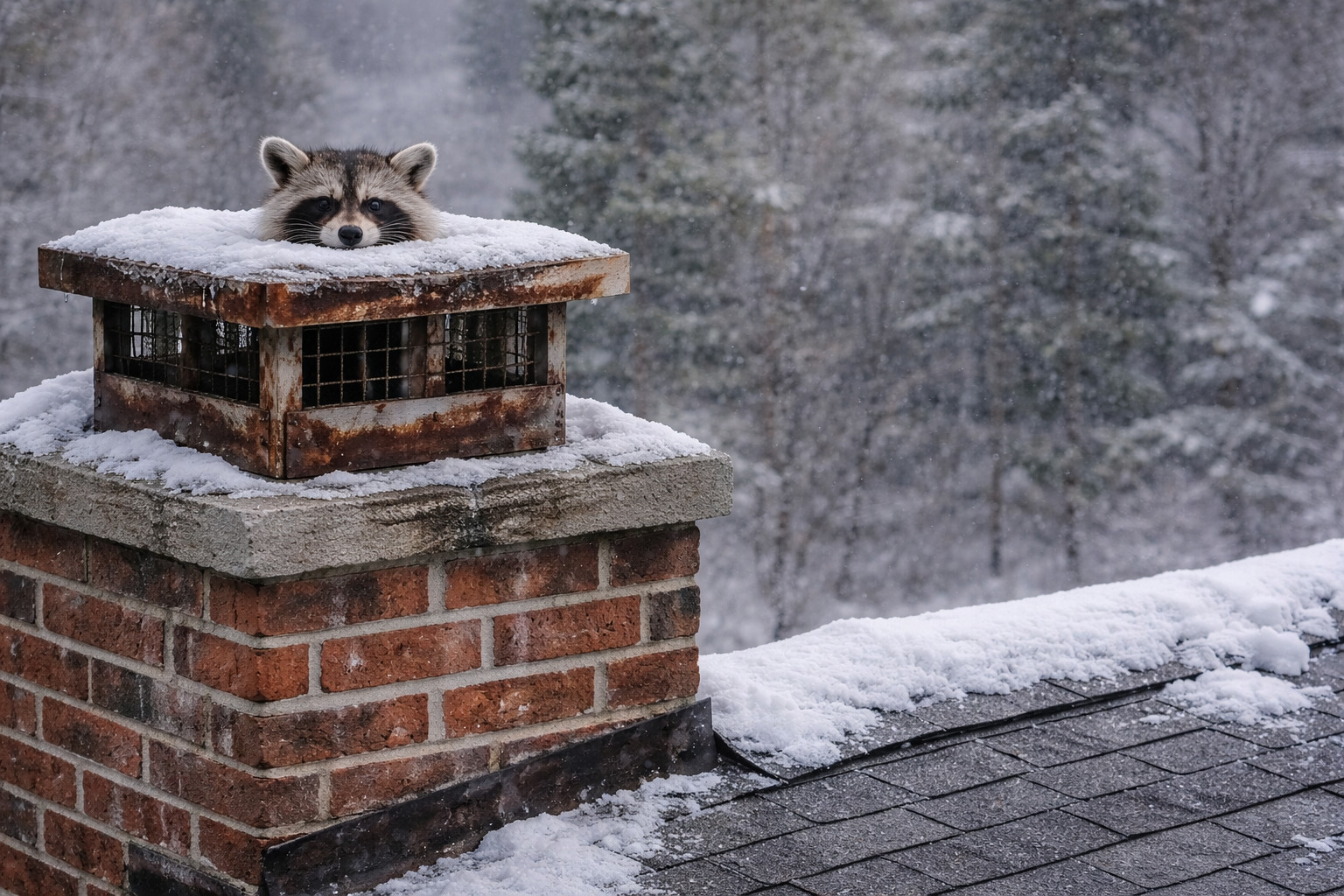
A chimney cap with a spark arrestor protects your chimney from animals, snow, and embers carried by strong winds. During Nor’easters, caps prevent snow load from entering the flue and reduce the risk of water intrusion. A high-quality metal cap can also block ice buildup during overnight freeze conditions.
Oil furnace systems can malfunction during storms, sometimes causing furnace puffback. Puffback pushes soot and smoke through the home, requiring puffback cleaning and puffback odor removal afterward. Proper HVAC maintenance, ignition system checks, and furnace safety measures can reduce this risk.
Connecticut homeowners should establish a consistent chimney inspection schedule, documenting repairs and maintenance throughout the year. Routine care helps prevent major issues and may even qualify you for insurance discounts depending on your provider. The Low Income Home Energy Assistance Program also offers winter heating resources for households needing help preparing for extreme cold.
Nor’easters reveal weaknesses in a home’s exterior, especially around the chimney where wind, snow, and ice can exploit the smallest flaw. By inspecting your chimney system early, repairing loose flashing, installing gutter guards, ensuring proper attic ventilation, and keeping the flue clear, you reduce the risk of fire hazards, water damage, and heating system failures. With proper chimney maintenance, a secure chimney cap, and a reliable inspection routine, your home will be ready for whatever winter throws at Connecticut this season.
Article details:
Share:
Continue learning: