How Storms Damage Chimney Caps
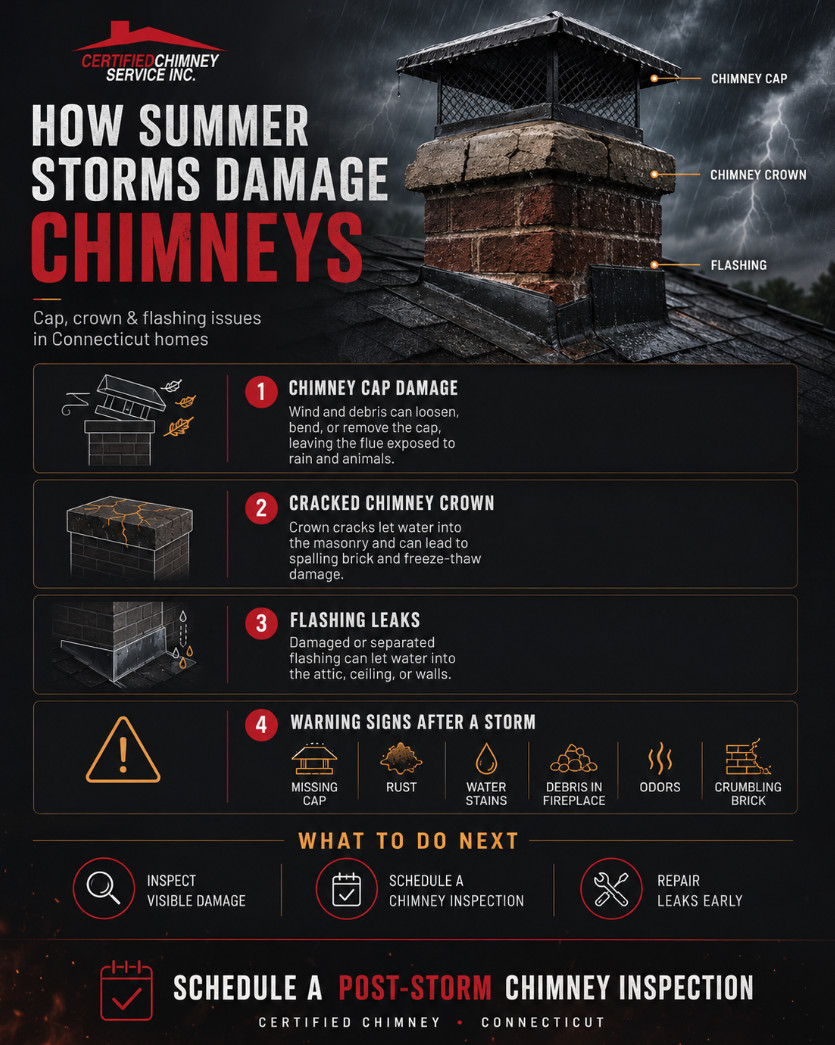
Chimney caps take direct exposure from rain, wind, branches, and flying debris. A loose metal cap can shift, detach, or leave the chimney flue open to water seepage and animal infestation. Wire mesh can bend or clog with leaves, which can restrict draft. A missing chimney cover allows rain to fall directly into the flue lining and fireplace system. Stainless steel caps and copper caps generally provide better long-term moisture protection than weak or rusted metal components, but they still need proper sizing and secure installation.
Signs a Chimney Cap Needs Repair
A chimney cap may need repair or replacement if you see rust, missing fasteners, bent mesh, a loose lid, animal sounds, water in the firebox, or debris inside the chimney. A cap that does not cover the flue opening properly can allow rain to hit the flue liner and smoke chamber. If the home has a prefabricated chimney or chimney chase, the chase cover, chase pan, chimney shrouds, and chimney pipe should also be checked. These systems need compatible parts and professional installation.
How Storms Crack Chimney Crowns
The chimney crown is supposed to move water away from the brick and mortar below. When the crown cracks, rain can enter and travel into the masonry. Over time, the freeze-thaw cycle can make cracks larger and cause spalling brick. A failing crown may show open cracks, soft concrete mix, missing overhang, no expansion joint, or a poor bond break around the flue tile. Crown repair may involve sealing small cracks with a silicone-based waterproof sealant or rebuilding the crown when damage is advanced.
Why Crown Cracks Become Bigger Problems
A cracked chimney crown is a big deal because it allows repeated water penetration at the most exposed part of the chimney. Water can enter the masonry cap, move into mortar joints, and reach the flue liner. CSIA says water penetration can damage brickwork, rust dampers, rot wood, ruin wall coverings, crack flue liner systems, and deteriorate heating systems. That is why crown damage should not be treated as cosmetic. If the crown is failing, chimney repair can protect the full chimney structure and fireplace system.
Flashing, Chase Covers, and Water Leaks
Chimney flashing seals the joint where the chimney meets the roof. If flashing lifts, corrodes, cracks, or separates, storm water can run behind the chimney and enter the attic, ceiling, or walls. Certified Chimney includes flashing repair and water-intrusion protection as part of its chimney leak services. A masonry chimney may need step flashing, counterflashing, apron flashing, and masonry work. A chimney chase may need a properly sloped chase cover. Poor flashing is one of the most common reasons water leaks appear after summer storms.
Schedule Chimney Inspection After Storm Damage
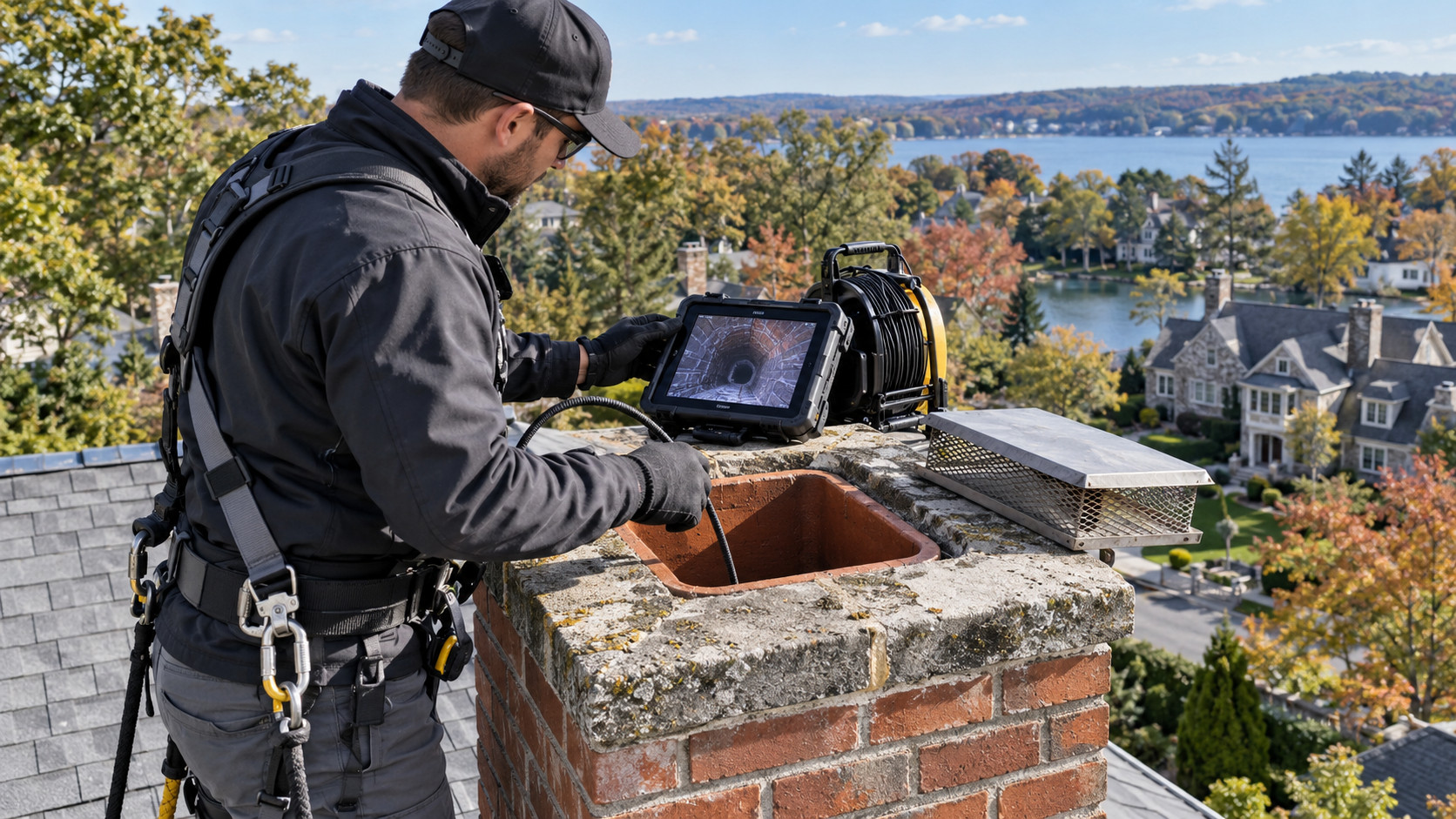
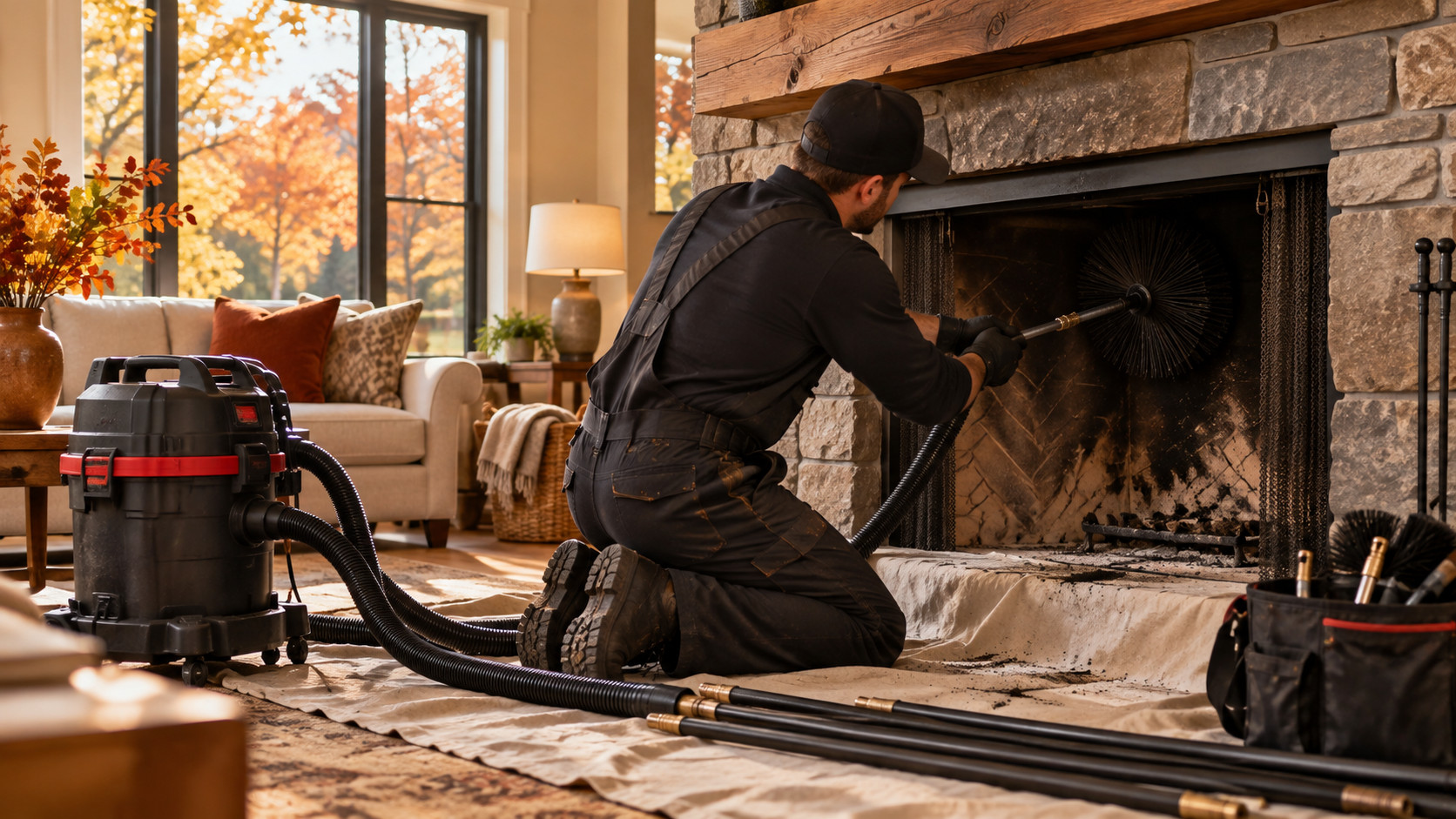
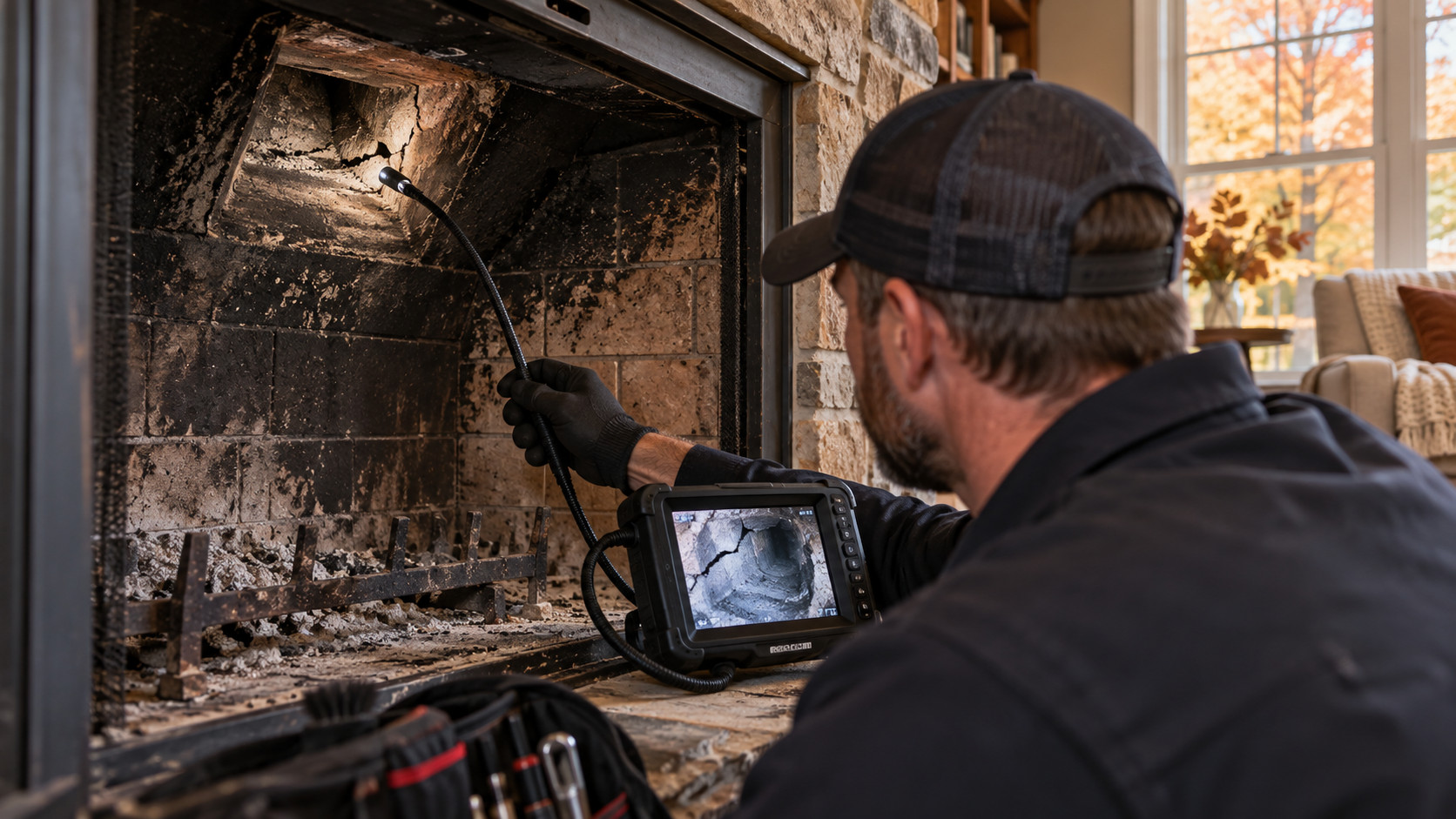
Homeowners should schedule a chimney inspection after severe weather if they notice water stains, brick damage, a missing cap, a cracked crown, loose flashing, rust, odors, or debris in the fireplace. A chimney professional can inspect chimney caps, the chimney crown, metal flashing, the chimney flue, flue liner, smoke shelf, mortar joints, chase cover, and prefabricated flue tile cap. The National Chimney Sweep Guild and Chimney Safety Institute of America are useful credential resources for homeowners evaluating chimney service providers. Certified Chimney provides chimney inspection, chimney repair, chimney cap replacement, flashing repair, masonry repair, and water protection throughout Connecticut. Request a free consultation from Certified Chimney Connecticut to repair storm damage before it reaches the interior of your home.