Share:
If you own a home in Connecticut, there’s a good chance your heating setup has changed at least once over the years. Maybe the house started with oil, then later someone added a gas furnace. Or the water heater got replaced, but the chimney stayed the same. And that’s usually when homowners start asking the question that comes up on a lot of inspections:
Do I actually need a chimney liner for my oil or gas system?
It’s a fair question, especially in New England where winter heating is not optional. A properly sized, properly installed chimney liner helps your chimney vent safely, reduces moisture damage, and lowers the risk of problems like carbon monoxide leaks and chimney deterioration. At Certified Chimney CT, we see liner issues constantly, not because people neglect their homes, but because chimneys are easy to overlook until something feels off.
This guide breaks down what chimney liners do, how they affect oil and gas appliances in CT, when relining is necessary, and what homeowners should know before installing or replacing a liner.
A chimney liner is the protective layer inside your chimney flue. It creates a safe pathway for exhaust gases to travel out of your home, while protecting the chimney walls from heat, moisture, and corrosive byproducts.
Oil and gas systems produce exhaust that can contain acidic moisture, especially when flue temperatures drop. Over time, that moisture can damage masonry chimneys fast.
A properly functioning liner helps with:
The Chimney Safety Institute of America (CSIA) explains how liners support safe chimney operation and help prevent hazards tied to venting and chimney fires.
One of the most common People Also Ask questions is: Does an oil furnace need a chimney liner?
In many Connecticut homes, yes, especially if:
Oil exhaust can be especially tough on older chimneys. Over time, it can break down mortar joints, damage clay liners, and contribute to internal moisture issues that homeowners never see until draft problems or odors start.
A modern oil flue liner or stainless steel chimney liner can help protect the chimney system and improve long-term reliability, especially during CT’s long heating season.
Gas appliances can still require liners, and in some cases, a liner becomes even more important after a conversion.
Here’s why: newer gas systems often produce cooler exhaust than older appliances. Cooler exhaust increases the chance of condensation forming inside the chimney. That moisture mixes with combustion byproducts and can accelerate masonry damage.
A chimney liner is often recommended when venting:
If you’ve converted fuel types or changed appliances, Certified Chimney CT can inspect the chimney flue to confirm if the venting setup is safe and correctly sized.
For code-related guidance on chimneys and vents, many homeowners reference the International Mechanical Code resources to understand why correct venting and liner compatibility matters.
Another big question people ask is: Are chimney liners required by code?
In many situations, yes, a liner is required for safety and performance. A chimney needs a properly functioning flue lining system to vent gases safely and prevent heat transfer to combustible materials.
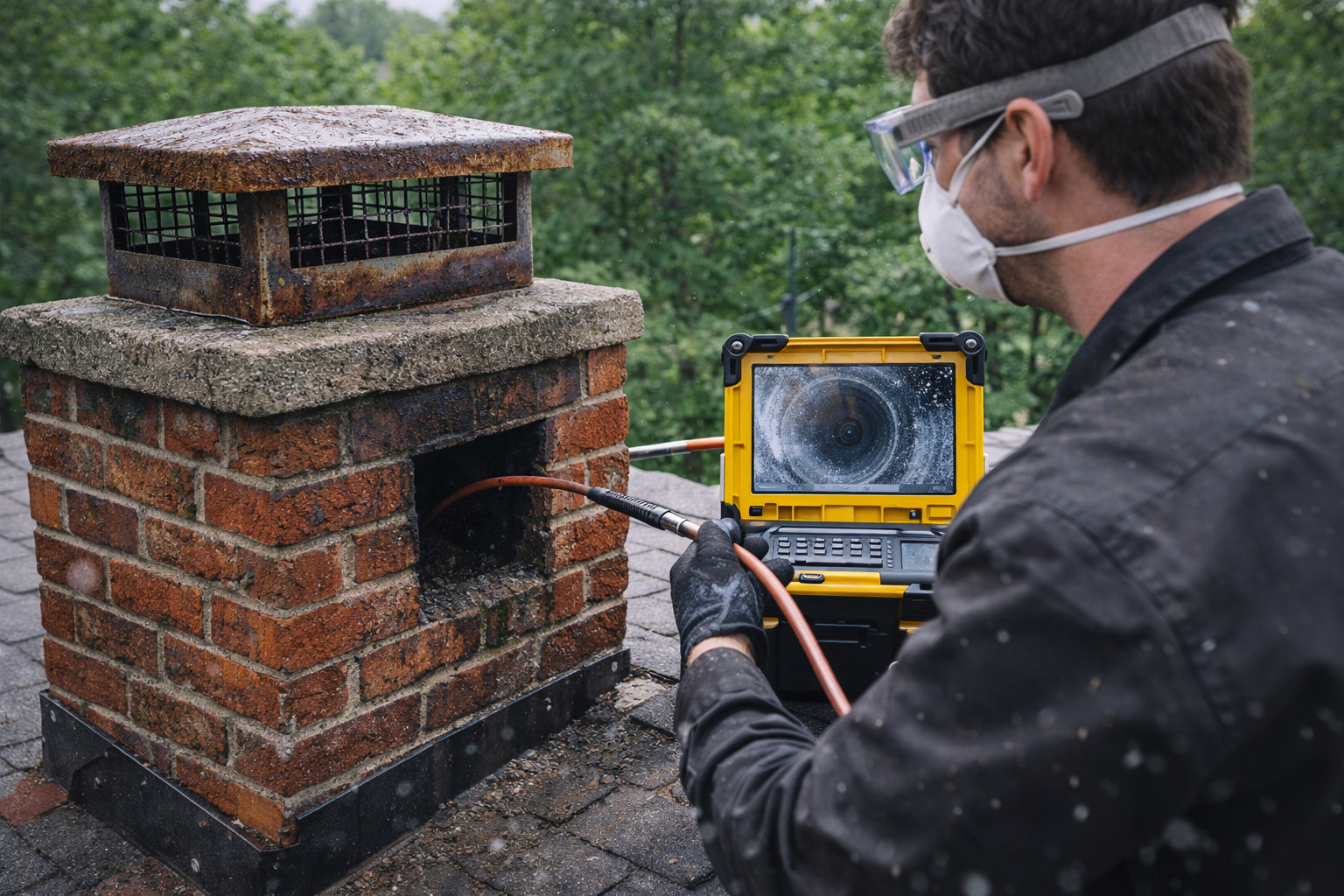
This is one of the reasons we recommend a professional chimney inspection before assuming the existing liner is “good enough.” A chimney can appear fine from the outside while the interior liner is cracked, missing sections, or damaged.
Connecticut homeowners are often surprised by how many liner issues are invisible until there’s a problem.
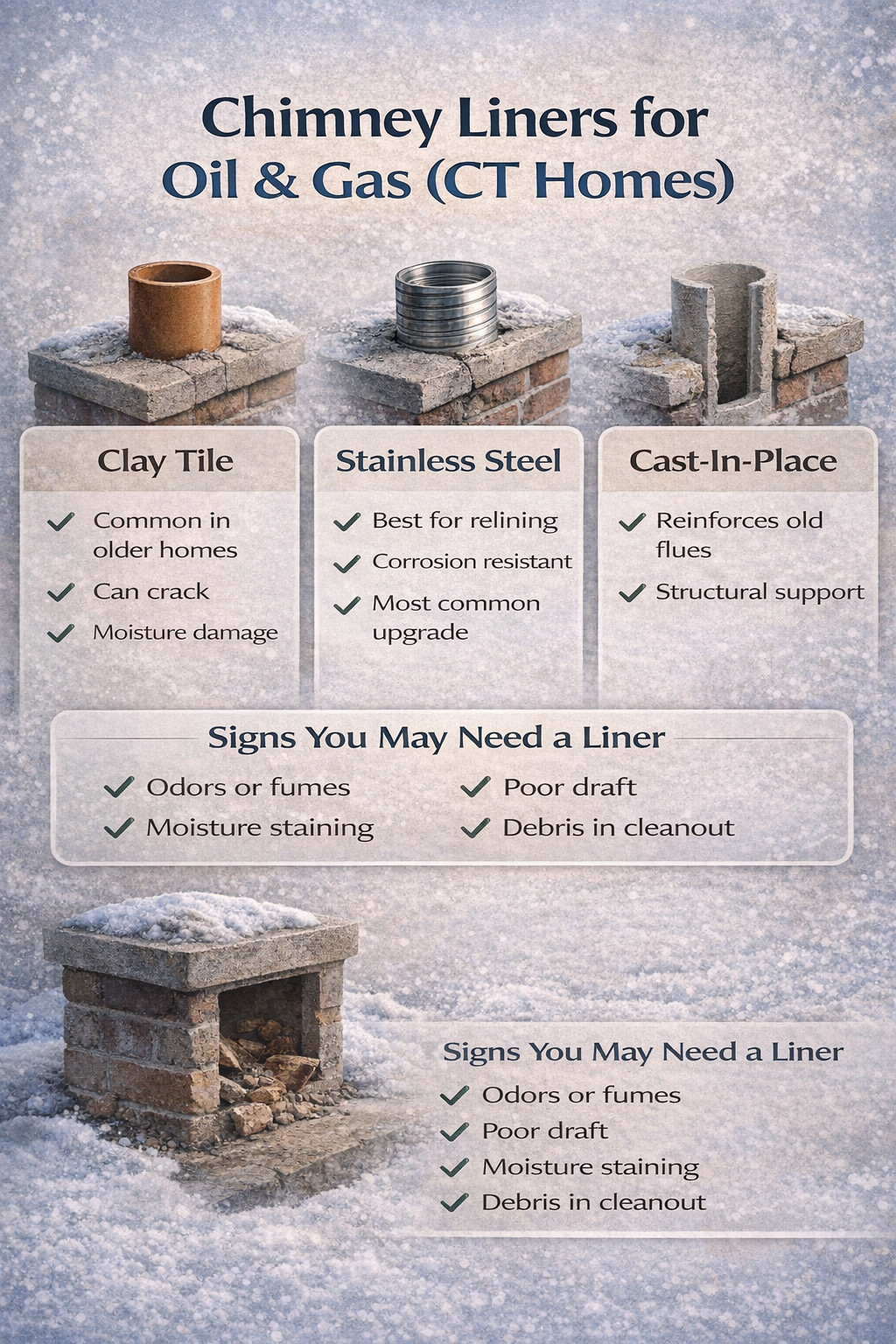
Common signs of a damaged liner include:
Even if your heating appliance “seems to work,” that does not confirm the chimney system is venting safely.
Not every liner is the same, and the best choice depends on your appliance, chimney size, and the condition of the existing flue.
Older Connecticut homes often have clay tile liners. They can last a long time, but they are also vulnerable to:
A stainless steel liner is one of the most popular choices for chimney relining because it offers strong corrosion resistance and adapts well to many chimney shapes.
For many oil and gas setups, stainless steel chimney liner options are preferred because they handle acidic moisture better than old masonry alone.
A cast-in-place flue liner uses a cement-like material applied inside the flue. It can help reinforce old chimneys and improve structural integrity.
Some systems use cast-in-place cement or ceramic relining methods depending on the application. Certified Chimney CT can recommend the best match based on inspection findings and flue sizing needs.
Connecticut winters bring one major challenge: cold chimneys.
When the chimney stays cold, it increases condensation and weakens draft. That’s why many installations benefit from chimney liner insulation.
An insulated liner helps:
Depending on the system, this can include:
This is especially helpful when relining for oil appliances where warm exhaust needs to stay warm enough to vent efficiently.
Homeowners sometimes picture chimney relining as a quick drop-in job, but doing it correctly requires careful prep.
A professional chimney liner installation typically includes:
This is not the place to guess. The liner has to match your heating appliance, fuel type, and venting requirements.
For product safety and testing standards related to venting components, homeowners sometimes reference Underwriters Laboratories (UL) because UL standards are widely used in building products and safety compliance.
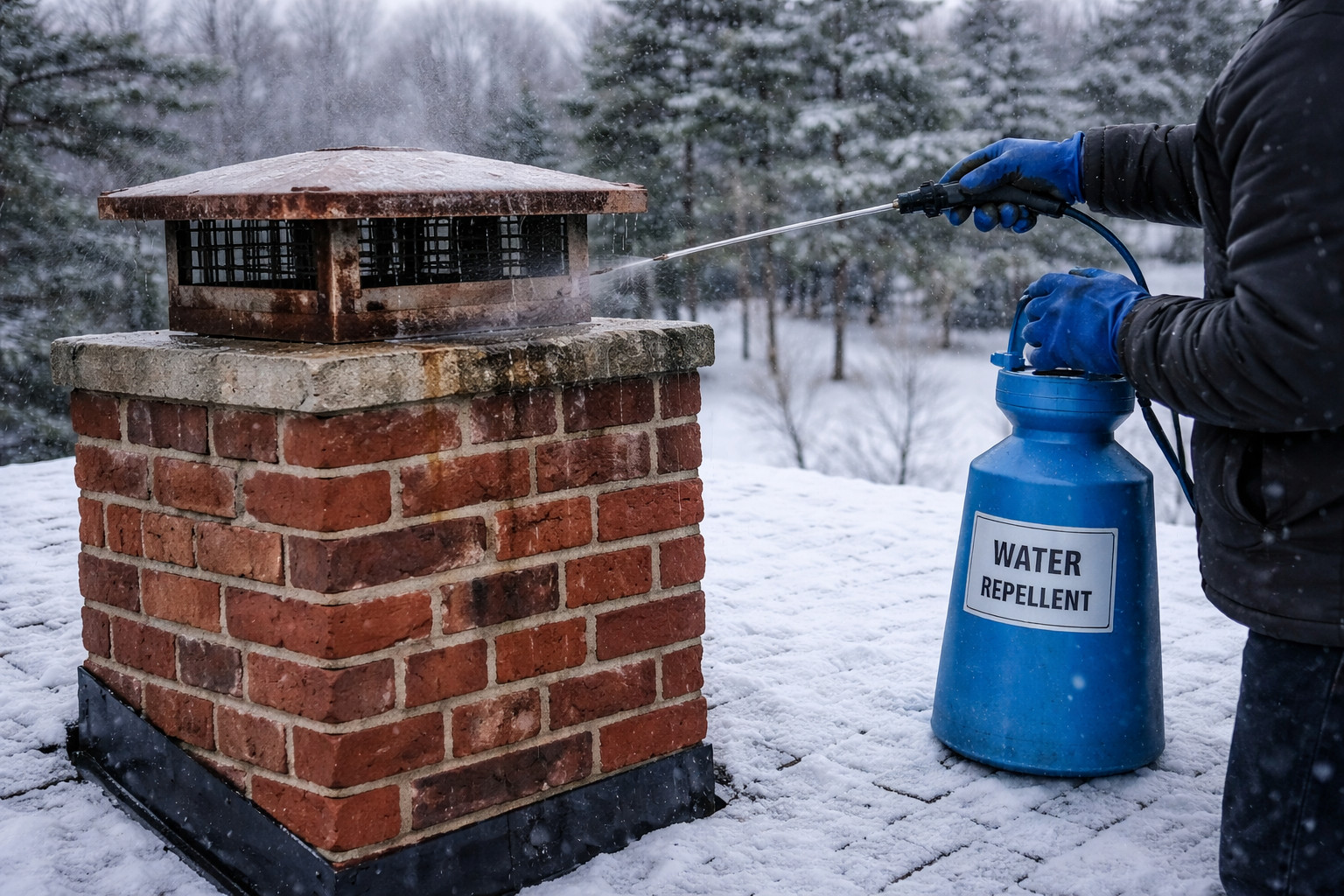
Even the best liner can struggle if water keeps entering the chimney.
A proper chimney cap helps prevent:
Moisture is one of the biggest reasons liners and chimney walls deteriorate. If you’re seeing recurring water damage, it usually means the chimney system needs both relining and exterior protection, not just one repair at a time.
If you have an oil furnace, gas furnace, or water heater connected to a masonry chimney, a liner inspection is one of the smartest preventative steps you can take.
At Certified Chimney CT, we help homeowners confirm:
The goal is not to upsell. It’s to keep your home safe, your heating system venting correctly, and your chimney protected through Connecticut winters.
If your home vents an oil or gas heating appliance through a masonry chimney, a properly sized, properly installed chimney liner is often essential for safety, draft performance, and long-term chimney health.
The fastest way to know for sure is a professional inspection. Once you understand the condition of your chimney flue and liner, you can make the right decision without guessing.
If you want clear answers and a safe plan, Certified Chimney CT is here to help with chimney inspections, chimney relining, and long-term solutions that make sense for Connecticut homes.
Article details:
Share:
Continue learning: