Winter weather can be especially hard on chimneys, allowing moisture, animals, and debris to cause damage that often goes unnoticed until problems appear inside the home. Chimney caps are designed to protect the flue opening and reduce water intrusion during rain, snow, and freezing conditions. This article explains how chimney caps work, why they matter in winter, and whether they truly help prevent long-term moisture damage.
Share:
Every winter, we get calls from homeowners across Connecticut who notice dark stains on their fireplace, a musty smell after a storm, or water dripping into the firebox after heavy snow. Most of them ask the same question: do chimney caps really make a difference, or are they just another add-on? After years of inspecting chimneys that have endured harsh winter weather, freeze-thaw cycles, and wind-driven rain, the short answer is yes. A properly installed chimney cap plays a major role in preventing winter moisture damage and protecting the entire chimney system.
At Certified Chimney CT, we see firsthand how small upgrades like chimney caps prevent costly repairs and long-term structural issues.
A chimney cap is a protective covering installed at the top of the chimney flue. It sits above the flue opening and is typically made from stainless steel, galvanized steel, or copper. Most designs include wire mesh around the sides and a solid lid on top.
The primary purpose of a chimney cap is simple. It keeps rain, snow, animals, and debris out while still allowing smoke and combustion gases to exit safely. According to the Chimney Safety Institute of America, chimney caps are a recommended component of modern chimney systems because they reduce fire hazards and moisture-related damage.
Winter weather is especially hard on chimneys in New England. Snow, ice, and freezing rain expose vulnerabilities that are easy to miss during warmer months.
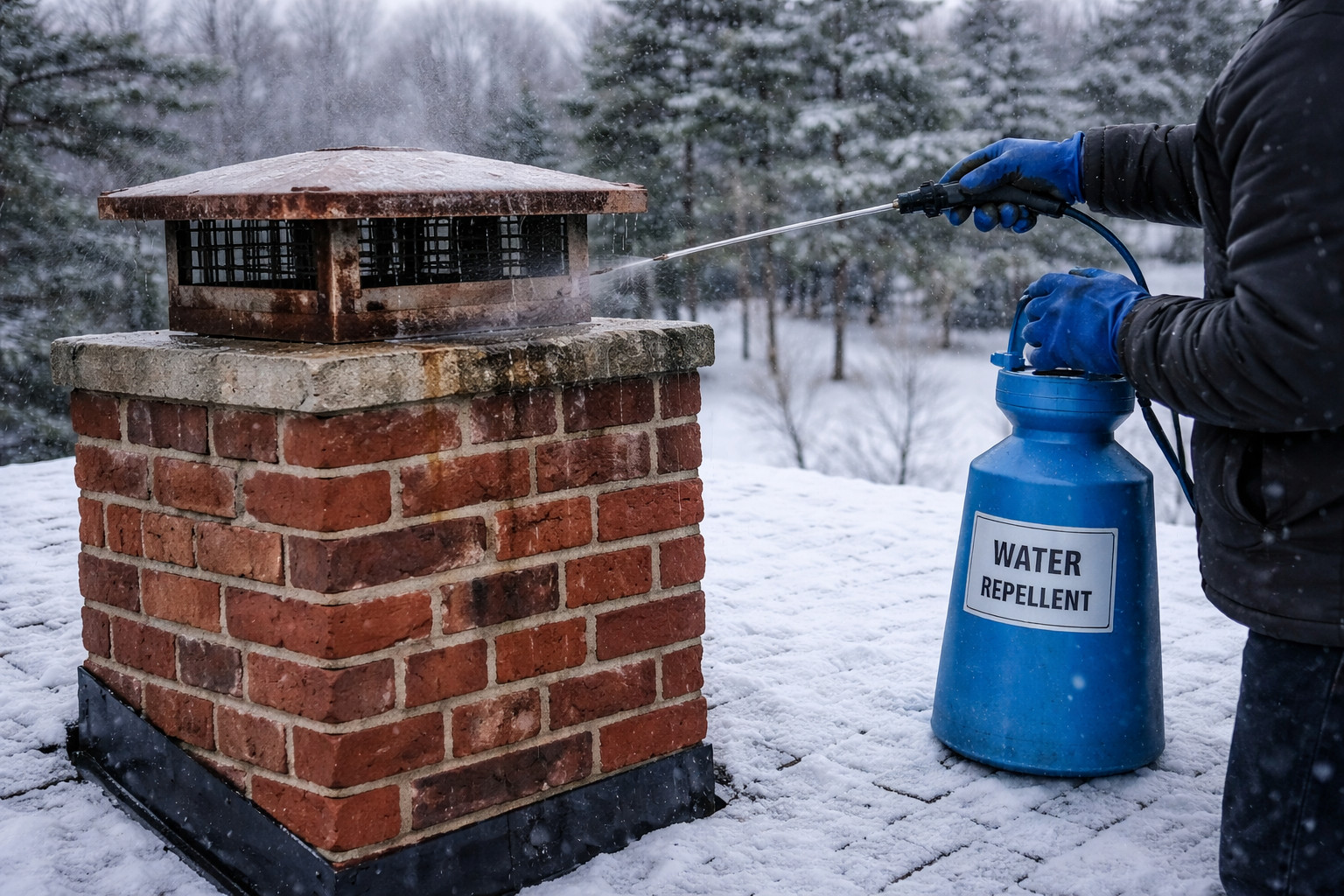
When water enters a masonry chimney and temperatures drop, that moisture freezes and expands. This process weakens mortar joints and chimney bricks over time. Repeated freeze-thaw cycles can crack a cement chimney crown, damage chimney flashing, and lead to leaks inside the home.
Strong winter winds push rain and snow directly into uncovered flue openings. Once inside, moisture mixes with creosote and soot, creating waterlogged soot that accelerates corrosion and liner deterioration.
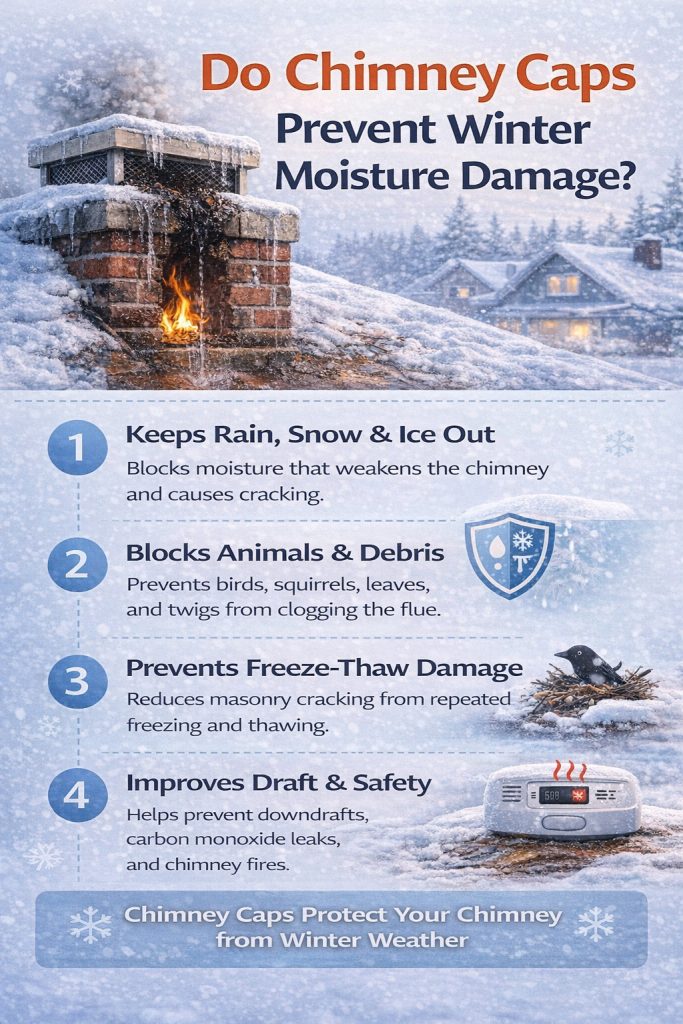
Chimney caps act as a physical barrier against moisture while maintaining proper draft performance.
A chimney rain cap prevents direct water entry through the flue. This protection alone significantly reduces chimney leaks, especially during heavy storms or lake-effect snowstorms.
By limiting moisture intrusion, chimney caps reduce the chance of ice forming inside the chimney flue. Ice buildup can block exhaust gases and contribute to carbon monoxide problems during winter use.
The National Fire Protection Association highlights moisture control as a key factor in fireplace safety and performance.
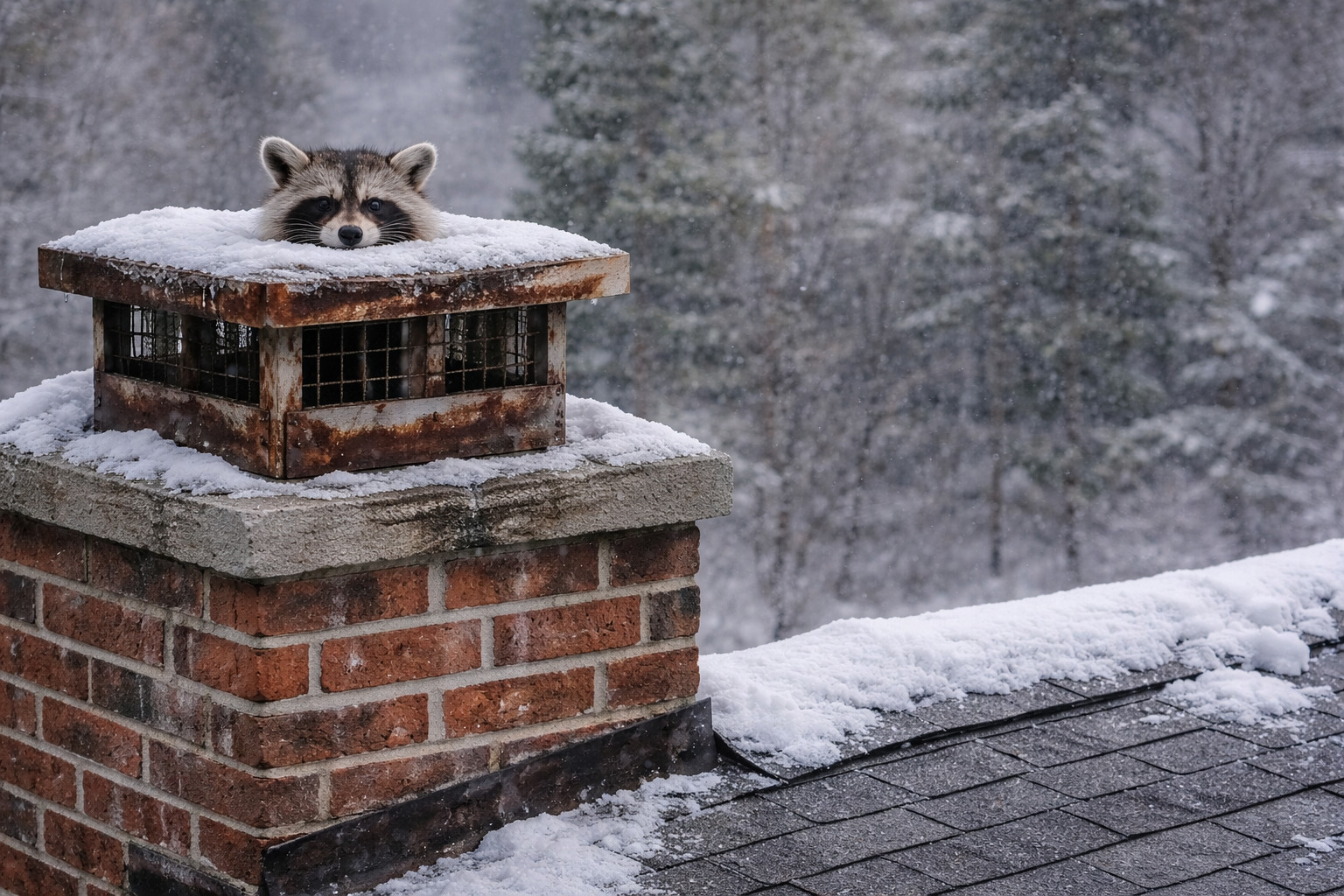
Winter often reveals animal activity that started months earlier. Birds, squirrels, and raccoons commonly build nests inside open chimneys during spring and summer. When fireplaces are used again in winter, that nesting material can block airflow and create fire hazards.
Wire mesh designs and spark arrestor mesh keep wild animals out without restricting smoke flow. Preventing animal intrusion also protects the chimney liner from claw damage and corrosion.
Leaves, twigs, and windblown debris contribute to creosote buildup and smoke drafting issues. Chimney caps limit debris entry and support cleaner, safer operation throughout the heating season.
A blocked or water-damaged chimney increases the risk of carbon monoxide entering the home. Moisture-damaged liners and flue obstructions interfere with proper venting.
The Centers for Disease Control and Prevention explains how carbon monoxide exposure becomes more common during winter when heating appliances are in use. More information is available at .
By keeping the flue clear and dry, chimney caps support fire safety and reduce the risk of carbon monoxide buildup.
Stainless steel chimney caps are popular because they resist corrosion and perform well in wet, icy climates. Galvanized steel is more affordable but may wear faster in areas with heavy moisture.
A copper chimney cap offers excellent durability and a distinctive appearance. Copper resists rust and performs well in harsh winter conditions, making it a long-term investment for masonry chimneys.
Single-flue chimney caps fit one flue opening, while multi flue caps cover several flues at once. Choosing the right size and configuration is essential for proper draft control and moisture protection.
Improper chimney cap installation can lead to poor draft performance, leaks, or loose fittings during storms. Professional installation ensures the cap is securely attached, sized correctly, and compatible with the chimney crown and liner.
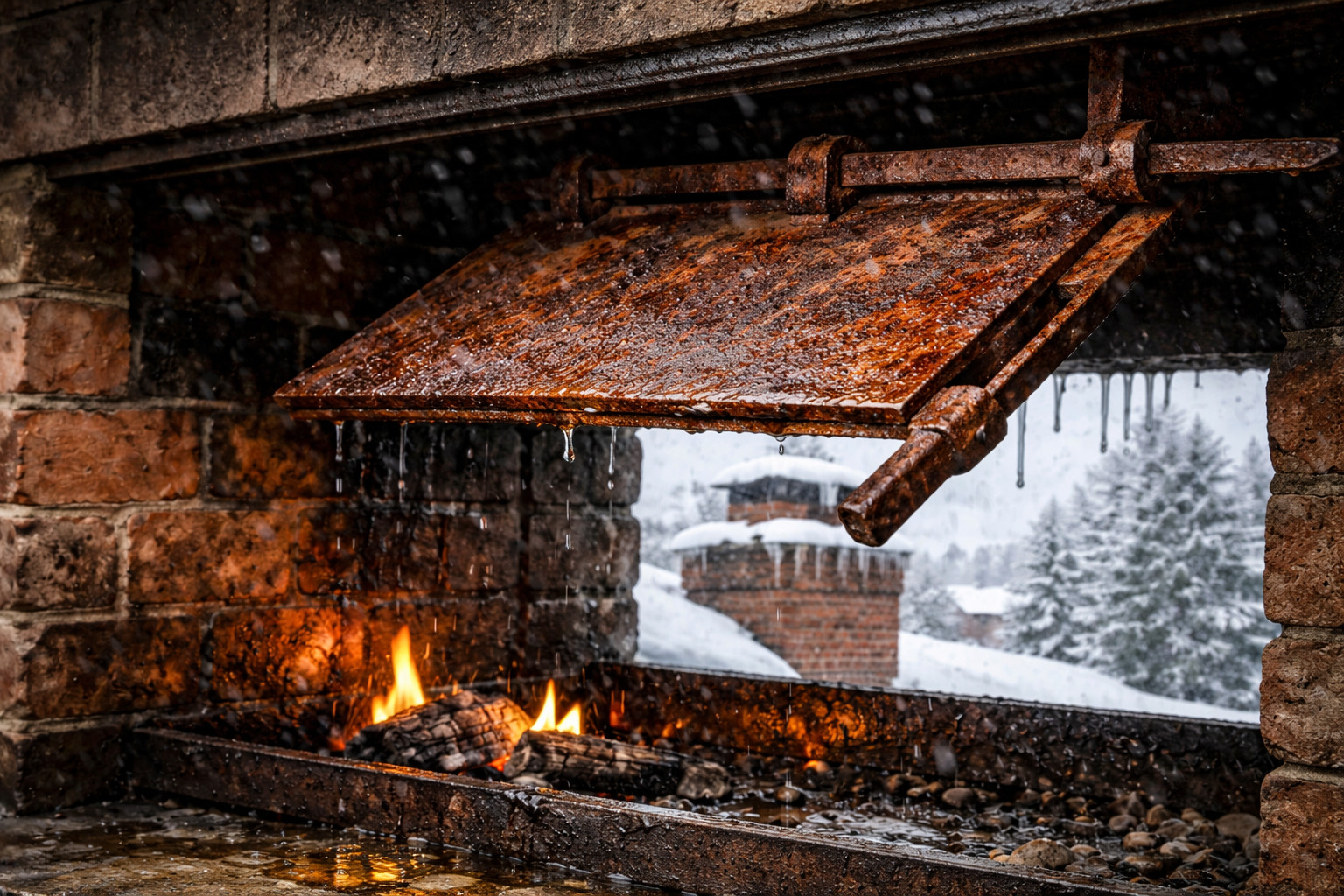
Chimney caps work best when combined with a solid chimney crown, intact flashing, and a properly functioning damper system. Together, these components form a complete moisture defense system.
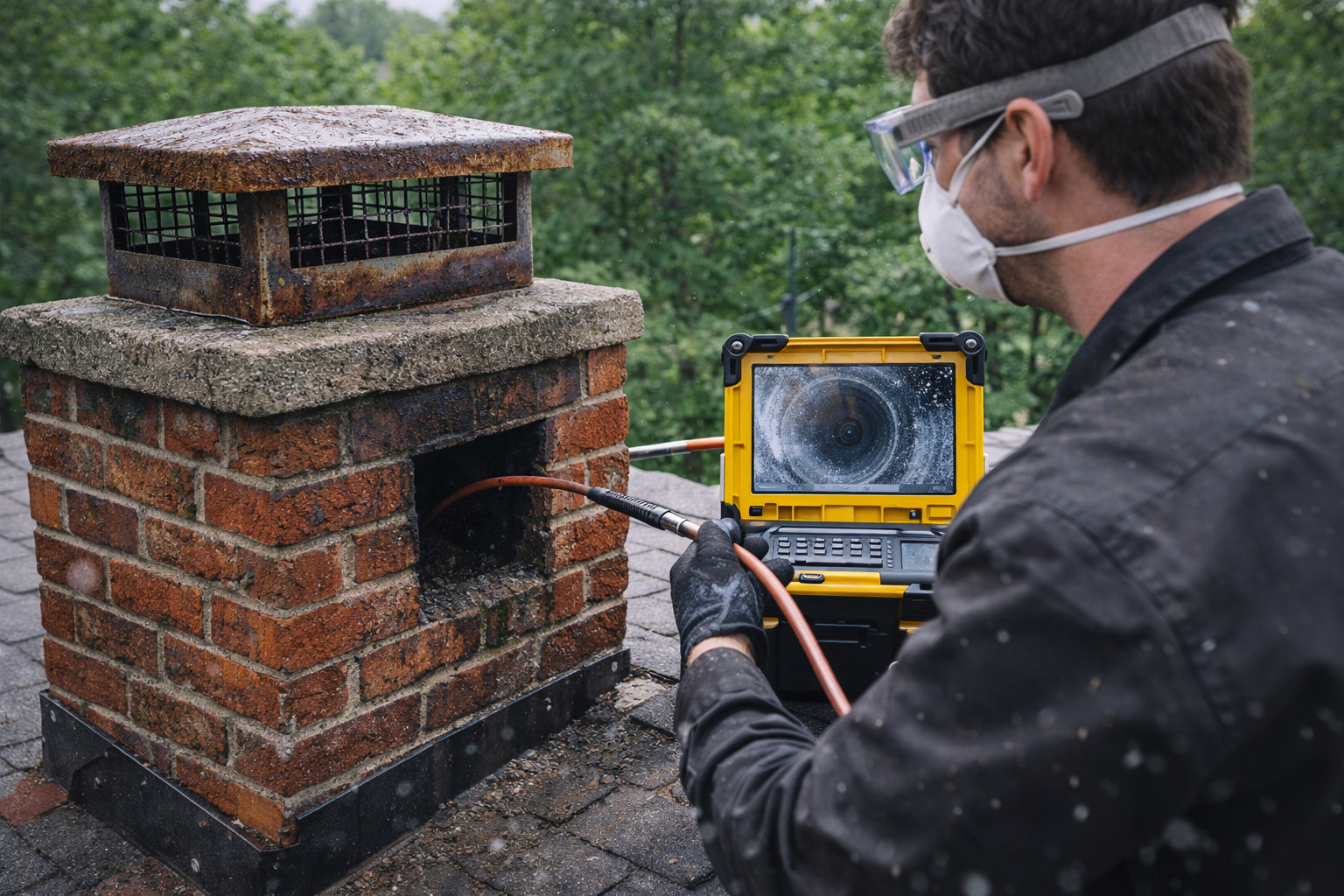
Annual chimney inspections include checking the cap for damage, rust, or loose mesh. Chimney cleaning removes creosote buildup that can trap moisture and accelerate deterioration.
Routine inspections catch small issues early. According to the U.S. Fire Administration, regular maintenance improves fireplace safety and system performance.
While chimney caps are not insulation, they can reduce downdrafts and cold air intrusion. Wind-resistant caps and top-mount dampers improve draft control and help maintain consistent indoor temperatures, which supports overall energy efficiency during winter.
Chimney caps are one of the most effective and affordable ways to protect a chimney system from winter moisture damage. By blocking rain, snow, animals, and debris, they prevent leaks, masonry deterioration, and safety hazards that often surface during cold weather.
For homeowners in Connecticut who want to avoid emergency repairs and extend the life of their chimney, chimney caps are not optional. They are a critical part of smart, preventative maintenance. Certified Chimney CT helps homeowners choose and install the right chimney cap to keep their homes safe, dry, and ready for winter.
Article details:
Share:
Continue learning: