Share:
If you have ever lit a fire on a bitter Connecticut night and immediately watched smoke roll into your living room like it owned the place, you already know how stressful this can feel. It is not just annoying. It is scary. Your eyes burn, the room smells like a campfire, and for a split second you start wondering if you are dealing with carbon monoxide instead of “just smoke.”
That exact situation is often caused by something called cold plug syndrome, and it is one of the most common reasons a fireplace smokes during a New England winter. Homeowners in Fairfield County, New Haven County, and shoreline towns like Milford, Stratford, and Westport run into it all the time, especially during cold snaps when the house is sealed tight and the air outside feels heavy and still.
In this guide, we will break down what cold plug syndrome is, why it happens, how to fix it safely, and how to prevent it long-term. We will also cover winter safety topics Connecticut homeowners should take seriously, including CO detector placement, smoke detector checks, fire safety, and indoor air quality concerns like nitrogen dioxide exposure from gas appliances.
If you want peace of mind, Certified Chimney Connecticut can inspect your system, clean the flue, and make sure your fireplace is drafting the way it should before winter gets worse.
Cold plug syndrome happens when cold, dense air settles inside your chimney and acts like a lid. Instead of warm smoke rising up and out, the smoke hits that cold air barrier and gets pushed back into your home.
It is basically like trying to blow air through a straw that is packed with ice cold fog. Your fireplace is producing smoke, but the chimney is not ready to move it.
This is most common when:
The key detail is this: a chimney needs upward draft to work, and draft depends on having warmer air rising inside the flue.
Cold plug syndrome usually comes from one core problem: the chimney is colder than the smoke trying to rise through it. But there are a few common “helpers” that make it worse in Connecticut homes.
When it is 15°F outside, your chimney is basically an outdoor column made of brick, clay tile, or metal. That flue cools down fast and stays cold.
Once that cold air settles, your first fire of the season is trying to “push” a draft that does not exist yet.
A fireplace needs air to burn. If your home is pulling more air out than it is letting in, the fireplace becomes the easiest place for air to enter.
Common culprits include:
That is why sometimes you light a fire and the smoke does not just drift… it gets sucked into the room.
Connecticut winter wind can hit your roofline and create pressure changes that force air down the chimney. That means smoke is fighting both cold air AND wind pressure.
This is especially common in coastal towns where wind is stronger and more unpredictable.
When homeowners call us panicked, they usually think they have a “blockage.” Sometimes they do. But often, the flue is simply not drafting yet.
A chimney draft works because:
Cold plug syndrome breaks step #3.
If the draft is weak, you will notice things like:
And here is the important part: draft problems can become safety problems, because poor venting increases your risk of indoor pollution and carbon monoxide buildup.
For safety guidance, the Connecticut Department of Public Health outlines CO risks and prevention steps homeowners should follow, especially during winter heating season and outages. (Helpful reference: carbon monoxide safety guidance from the state’s public health resources.)
A cold plug is temporary. A blockage is a physical obstruction.
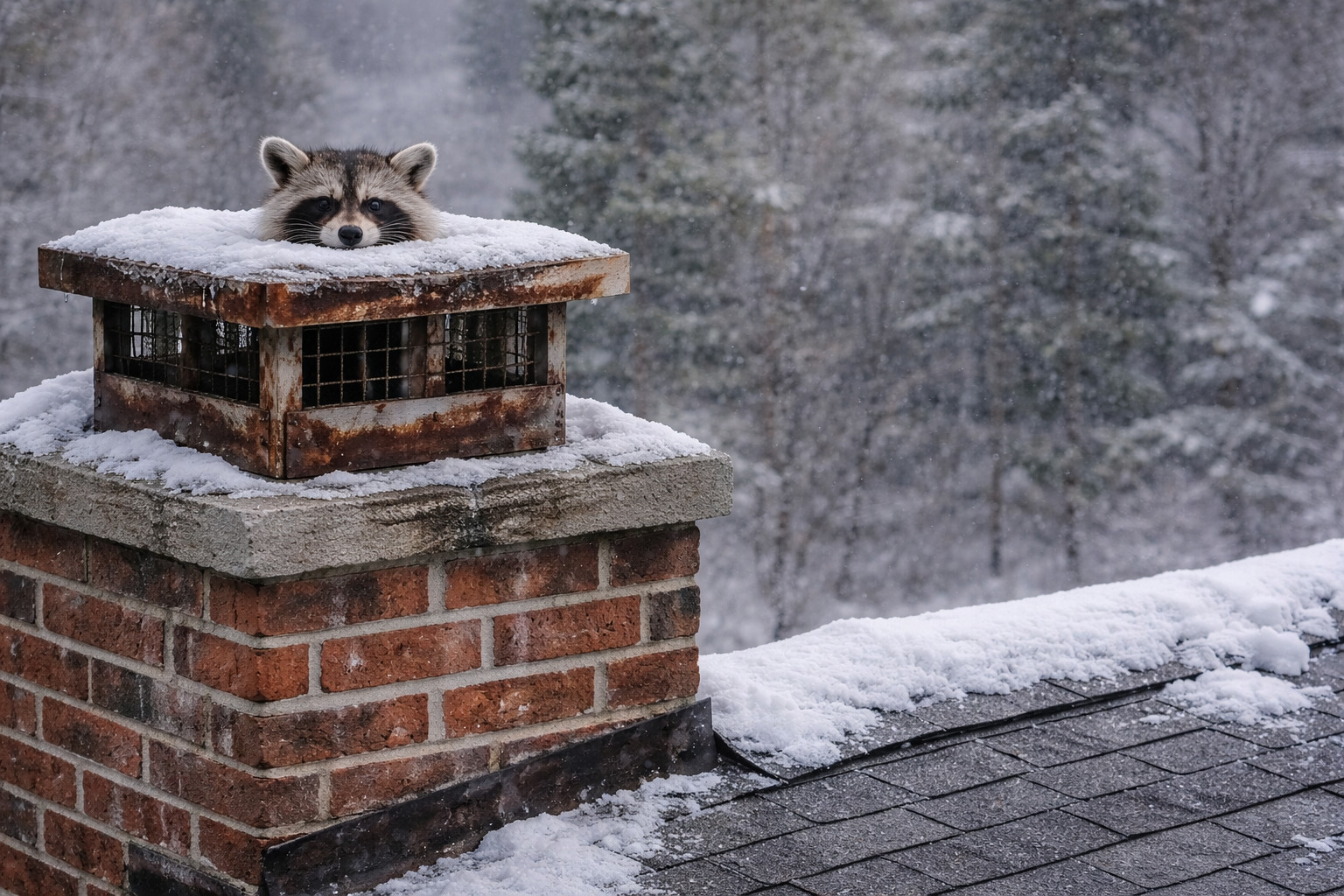
A blocked chimney can be caused by creosote buildup, nesting animals, broken flue tile, or debris. This is where a professional inspection matters.
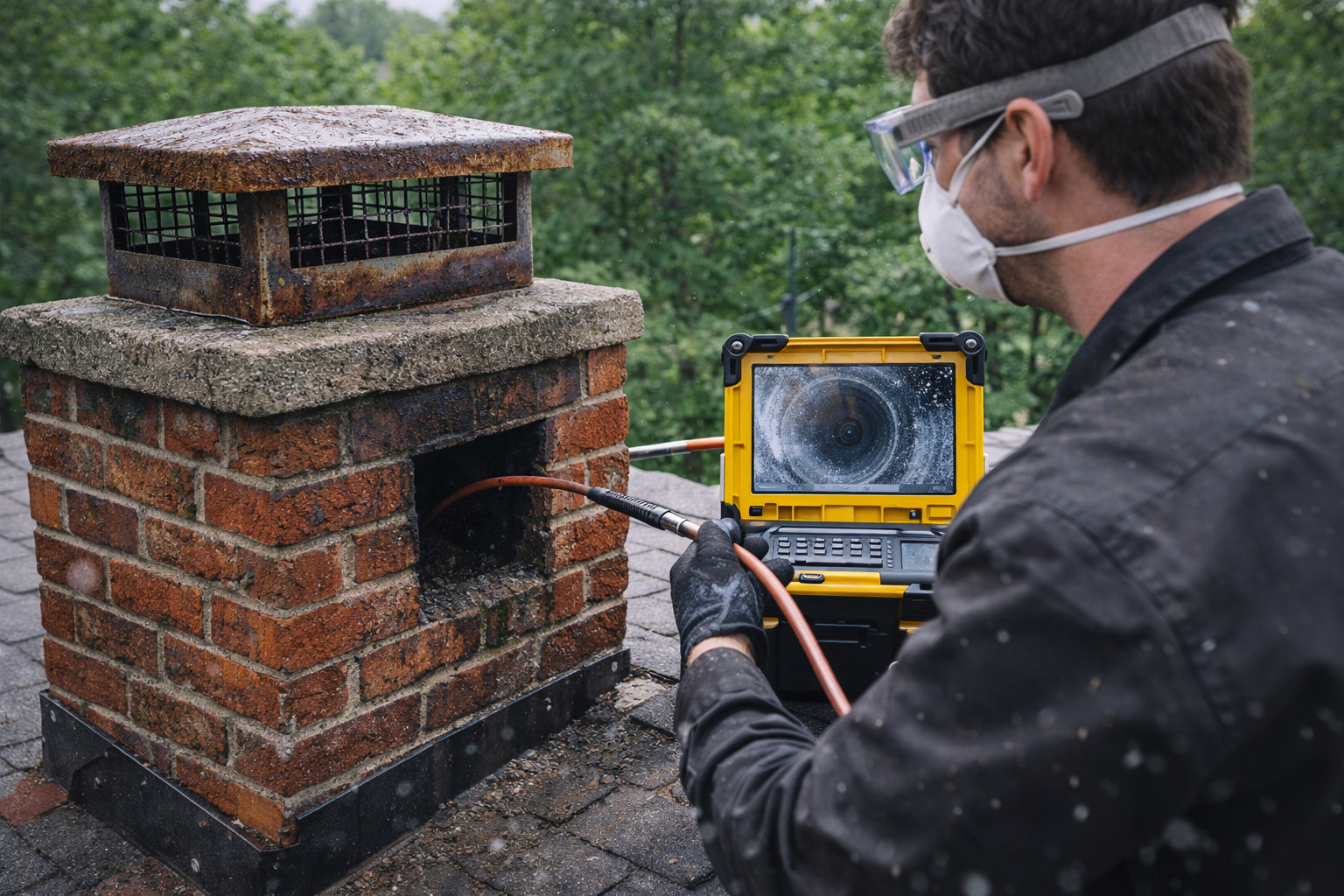
Certified Chimney Connecticut can perform a full chimney inspection and cleaning so you are not guessing.
This sounds basic, but it happens every year.
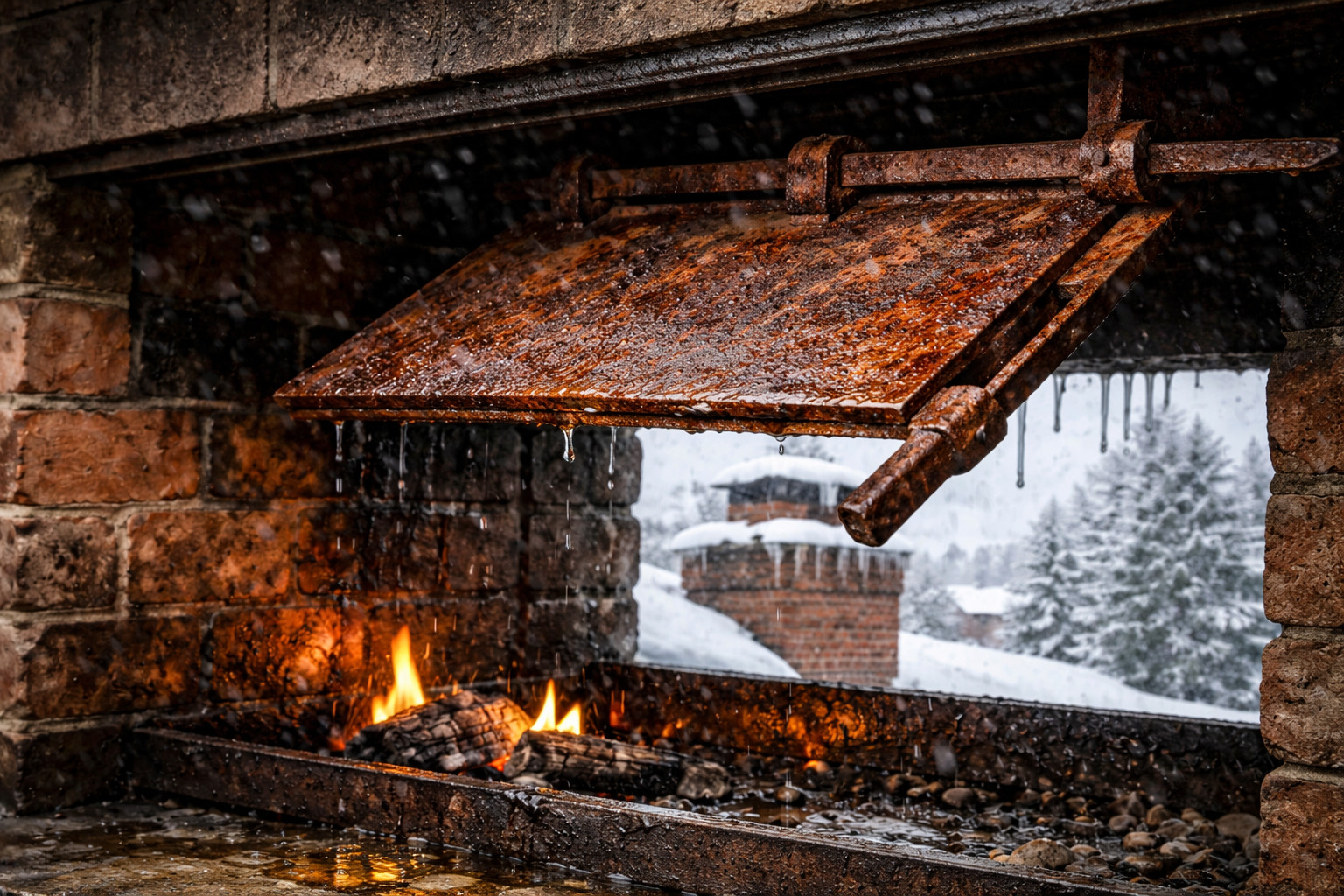
Homeowners think the damper is open because the lever moved, but the damper plate is still partially closed, stuck, or blocked by soot buildup.
If the damper is only half open, smoke will spill out even if draft conditions are decent.
Before lighting a fire:
You do not need to do anything extreme. You just need to “wake up” the chimney draft.
Before we list steps, one quick rule: do not keep feeding the fire hoping it will fix itself. That usually means more smoke indoors, more soot, and more risk.
This is the simplest draft boost. It gives your fire a dedicated air supply and reduces negative pressure.
Even opening a window 1 inch can make a difference.
The goal is to create a small column of warm air moving upward so the chimney starts drafting.
Common safe ways include:
If smoke immediately pours into the room even with a small flue-warming attempt, stop and call a professional.
Wet wood creates heavy smoke, excessive mucus production reactions for sensitive lungs, and faster creosote buildup.
Dry wood burns hotter and cleaner, which helps establish draft quicker.
Avoid running:
until the fire is drafting normally.
Here is what a lot of Connecticut homeowners do not realize: when your fireplace smokes, you are not just “dealing with smoke.” You are filling the home with particles and gases that can irritate the lungs.
This can trigger or worsen:
And because winter homes are sealed tight, those pollutants stick around longer.
During Connecticut winters, indoor air quality takes a hit from things people love this time of year:
The American Lung Association specifically calls out holiday scents (candles, air fresheners, scented pinecones) as triggers for asthma and COPD flare-ups.
So if someone in your home is dealing with asthma, COPD, or frequent respiratory symptoms, fireplace smoke backdrafting can feel 10 times worse.
Fireplace smoke is not the only indoor air issue in winter. Another common concern is indoor nitrogen dioxide, especially in homes using gas appliances.
Nitrogen dioxide can come from:
Research and indoor air quality guidance from WHO sources reference nitrogen dioxide exposure in indoor environments and recommend a 1-hour guideline limit.
What matters for homeowners is this: if you already have fireplace draft issues, and you are also running gas cooking or heating, your indoor air burden gets heavier. It is not about panic. It is about paying attention.
When a fireplace is smoking, many families switch to backup heat fast.
That is where winter fire risks jump.
If you use a space heater, treat it like an open flame even if it does not look like one. The Consumer Product Safety Commission recommends using smoke alarms and CO alarms properly and maintaining them, especially during winter heating season.
A few non-negotiables:
Kerosene heaters can produce dangerous fumes if used incorrectly. If anyone is considering using one inside the home, that is a situation where you want professional guidance and serious ventilation planning.
This is worth repeating: fireplace smoke issues can signal poor venting. Poor venting can increase carbon monoxide risk.
Make sure your home has:
Even state-level guidance for residents emphasizes safe CO practices, especially in winter.
A lot of Connecticut homeowners do a great job winterizing, but accidentally make draft issues worse.
Weather sealing reduces heating bills, but if you seal the home too tight without balancing ventilation, you create negative pressure. That negative pressure can pull smoke into the home when you start a fire.
If you have upgraded insulation, replaced windows, or tightened the home recently, cold plug syndrome may show up for the first time.
Good winter ventilation does not mean leaving windows open all day. It means:
If cold plug syndrome happens once or twice, it is usually a draft warm-up issue. If it happens repeatedly, you want a professional inspection.
When Certified Chimney Connecticut evaluates your system, the focus is usually on:
Creosote buildup reduces airflow and makes draft weaker. A clean chimney drafts easier and safer.
A properly designed cap helps:
Damage or cracks can change airflow patterns and reduce efficiency.
Some older Connecticut homes (especially in historic areas) have fireplaces built long before modern standards. Small design quirks can cause smoke problems even when everything “looks fine.”
This might feel like a different topic, but it connects directly to fireplaces and draft issues. Many smoking fireplace calls happen right after a power outage, when families rely on alternative heat sources quickly.
A smart winter kit includes:
If your home uses backup heating during storms, the risk of indoor air pollutants goes up, so preparedness matters.
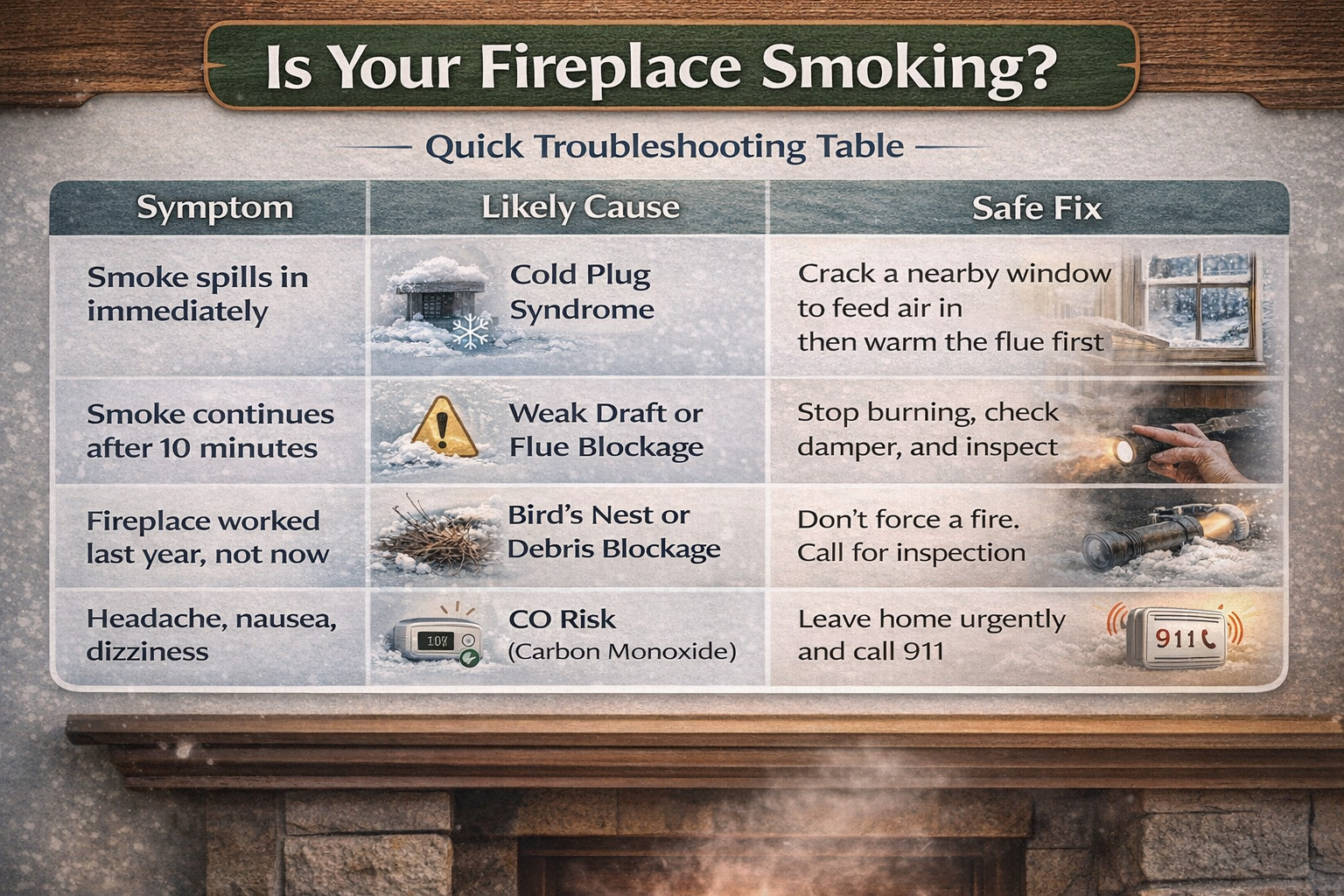
Symptom | Most Likely Cause | What to Do First | When to Call Certified Chimney Connecticut |
|---|---|---|---|
Smoke spills in immediately | Cold plug syndrome | Crack window + warm flue | If it happens repeatedly |
Smoke spills in even after 10 minutes | Weak draft or blockage | Stop burning, check damper | Same-day service recommended |
Fireplace worked last year, not now | Birds nest or debris | Do not force a fire | Inspection needed |
Smoke smell even when not using | Draft reversal or soot issues | Check damper, check cap | Inspection recommended |
Headache, nausea, dizziness | CO risk | Leave home, call emergency help | Always treat as urgent |
Cold plug syndrome is one of those winter problems that feels dramatic, but usually has a practical solution. Most of the time, you are dealing with a cold flue that needs help establishing draft.
But here is the honest truth: a smoking fireplace is a safety signal, not just an inconvenience.
It can impact:
If you are in Connecticut and your fireplace keeps smoking every winter, the safest move is to stop guessing and get the system inspected.
Certified Chimney Connecticut can help you clean the chimney, confirm proper draft, and make sure your fireplace is safe to use all season long.
If you want to schedule a chimney inspection or cleaning before the next cold snap, reach out to Certified Chimney Connecticut and get ahead of it now, while it is still manageable.
Article details:
Share:
Continue learning: