Certified Chimney provides chimney repair, chimney restoration, chimney sweeping, chimney inspection, chimney cleaning, chimney liners, and fireplace repair services throughout Connecticut. A damaged chimney system can create fire-related hazards, smoke problems, water leaks, carbon monoxide concerns, and masonry damage. Connecticut homes face freeze-thaw cycles, rain, wind, and seasonal heating use that can wear down brick, mortar, flue tiles, crowns, caps, flashing, and liners. Certified Chimney helps homeowners restore chimney safety, improve fireplace venting, and protect the home with professional chimney services.
Licensed & insured chimney professionals serving Connecticut homeowners with repair, restoration, inspection, and maintenance services.
Chimney repair may be needed when masonry cracks, mortar joints fail, chimney flashing leaks, or the crown begins to break down. Small chimney issues can spread into water damage, loose brick, rusted damper handles, damaged fireplace inserts, and unsafe fireplace venting. Certified Chimney provides CT chimney repair service for homes across Connecticut communities, including Fairfield County, New Haven County, West Hartford, Milford, Rocky Hill, and nearby areas. A proper repair plan starts with a chimney inspection to identify the source of the problem before masonry repair begins.
Chimney restoration focuses on rebuilding or repairing damaged chimney components so the system is safer and more stable. Services may include chimney repointing, chimney crown repair, chimney crown rebuilding, brick rebuilds, cement crowns, firebox repointing, firebox repair, masonry restoration, chimney masonry work, and historic chimney restoration. Older Connecticut homes may have antique fireplace features, brick fireplace details, cast iron parts, bluestone chimney tops, or worn refractory mortar. Restoration helps preserve the look of the chimney while correcting structural and safety concerns.
Chimney repointing replaces deteriorated mortar between bricks. Chimney crown repair protects the top of the chimney from water entry. Chimney rebuilds may be needed when the upper chimney is leaning, cracked, loose, or heavily damaged. These repairs are important because water can enter through open joints, cracked crowns, missing caps, and weak flashing. Once water enters the chimney system, freeze-thaw cycles can expand damage and cause brick faces to break apart. Proper masonry repair helps prevent deeper structural damage.
Chimney liners help contain heat, smoke, flue gases, and combustion byproducts as they move out of the home. Damaged flue tiles, gaps, cracks, or missing liner sections can create serious chimney safety concerns. Certified Chimney provides chimney liner repair, chimney relining, chimney relining services, and stainless steel chimney liner options for fireplaces, furnace flue systems, gas fireplace venting, wood stove installations, pellet stove installations, and free-standing stove connections. Stainless steel liners are often used when an older liner is damaged or when venting requirements change.
A stainless steel chimney liner can help restore safer venting when clay flue tiles are cracked, deteriorated, or no longer suitable for the appliance. Flue tiles may fail after chimney fires, water damage, poor installation, or long-term heat exposure. CSIA explains that chimney fires can damage masonry chimneys by cracking tiles, damaging mortar, and harming the outer masonry material. Because liner damage may not be visible from the outside, a video inspection may be recommended when the system has performance problems or suspected fire damage.
Chimney inspection and chimney sweeping help identify hazards before they become larger repairs. Chimney sweep services can remove creosote, soot, debris, nesting material, and blockages. CSIA says annual chimney inspections by qualified professionals can help prevent chimney fires and carbon monoxide intrusion. Chimney cleaning is especially important for fireplaces, wood stoves, and systems with heavy creosote buildup. A safety inspection may include exterior masonry, chimney cap condition, metal flashing, damper operation, firebox condition, liner condition, smoke chamber, and fireplace venting.
Masonry, chimney cap, flashing, crown, and visible weather damage.
Damper operation, firebox condition, inserts, and fireplace venting.
Liner condition, smoke chamber, creosote buildup, debris, and blockages.
Conditions that may contribute to chimney fires or carbon monoxide intrusion.
Start with an inspection so the repair is based on the actual condition of the system.
NFPA chimney inspections are commonly discussed as Level 1, Level 2, or Level 3 inspections, depending on the situation. A Level 2 inspection may include video inspection when a home is sold, when a new heating appliance is installed, or when damage is suspected. Video inspection helps evaluate hidden liner problems, flue tile damage, blockages, and gaps inside the chimney system. This is useful for Connecticut homeowners dealing with fireplace odors, smoke rollout, chimney fires, or unknown chimney history.
Chimney caps, dampers, metal flashing, and fireplace components all protect the system. A chimney cap helps keep out rain, animals, leaves, and debris. Chimney flashing helps seal the area where the chimney meets the roof. Fireplace repair may include firebox repair, refractory mortar work, damper handles, fireplace inserts, ignition systems, gas fireplace components, or antique fireplace restoration. If smoke, odors, leaks, or rust appear near the fireplace, the issue should be inspected before the next burn season.
Helps keep out rain, animals, leaves, and debris.
Helps seal the area where the chimney passes through the roof.
Repairs may involve refractory mortar, firebox surfaces, or fireplace inserts.
Includes damper handles, ignition systems, gas components, and related parts.
Certified Chimney provides chimney repair, chimney restoration, chimney sweeping, chimney cleaning, chimney inspection, chimney liners, fireplace restoration, masonry repair, chimney cap repair, chimney flashing repair, and commercial chimney restoration across Connecticut. Their team helps homeowners improve chimney safety, reduce fire-related hazards, protect against carbon monoxide poisoning, and restore damaged masonry. Request a free consultation from Certified Chimney Connecticut to schedule chimney service and review the right repair or restoration options for your home.
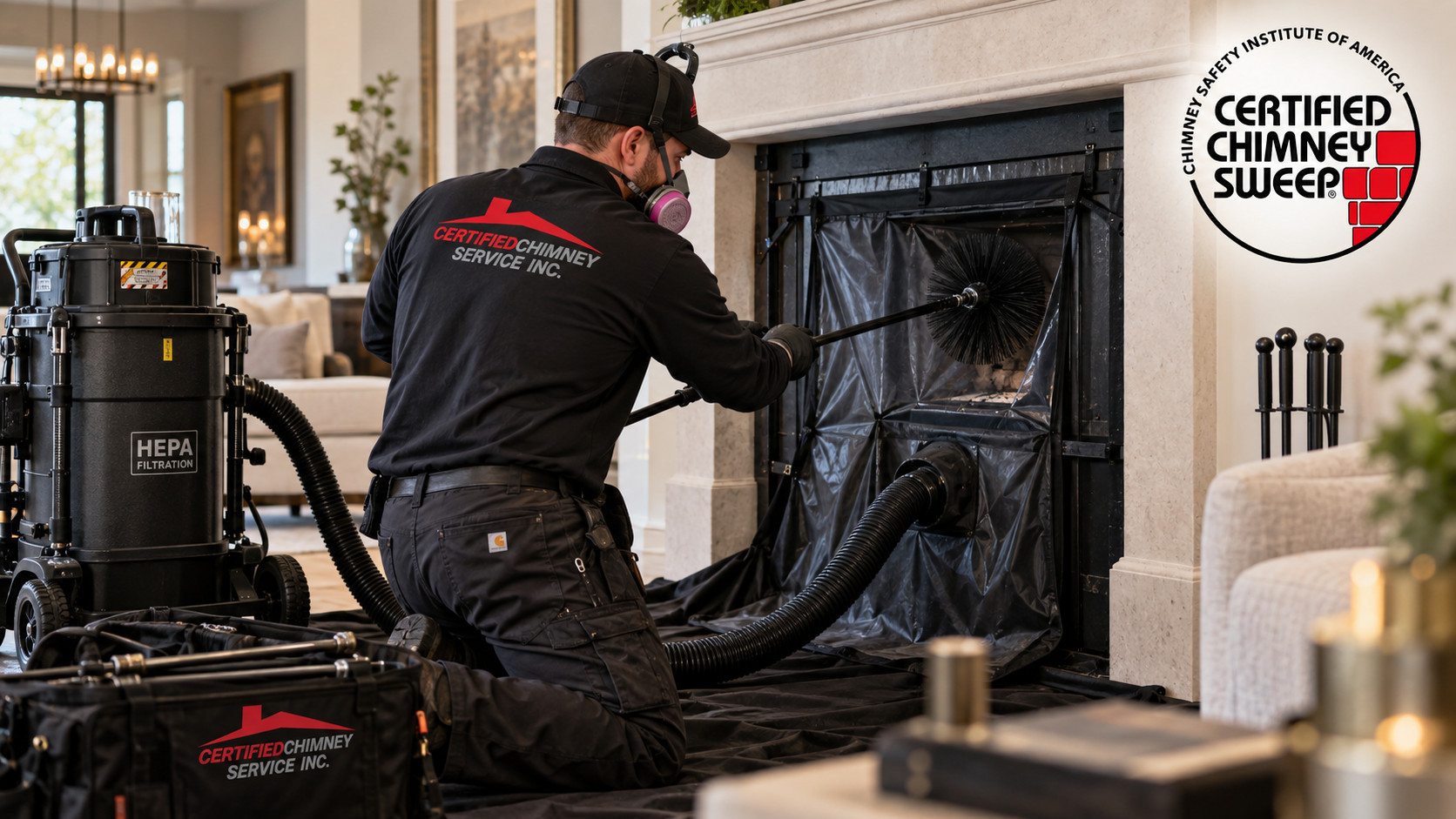
Covers fireplaces, wood stoves, pellet stoves, and heating systems including gas and oil systems. Book now before the winter rush fills our schedule.