Share:
The first time I realized how serious a chimney crown crack can be, it was from a homeowner who thought they had a “small roof leak.” They told me the stain showed up after a heavy winter storm, right where the chimney meets the ceiling line. They were convinced it was the shingles.
It wasn’t.
It was the chimney crown.
And in Connecticut, that story is way more common than people think. Between wet snow, coastal wind, ice buildup, and constant freeze-thaw cycles, the top of your chimney takes a beating. Once that crown starts cracking, water intrusion gets a clear entry point straight into your masonry chimney system. From there, leaks and damage spread quietly until you’re staring at drywall stains, rusted fireplace parts, or worse, structural deterioration.
If you are dealing with chimney leaks this winter, this guide will help you understand what is happening, what to look for, and when it is time to call a professional like Certified Chimney CT.
Your chimney crown is the concrete or masonry slab at the very top of your chimney structure. It sits above the brickwork and is designed to protect your chimney flue and the mortar joints below from rain, snow, and water penetration.
A good crown should:
In real life, if the crown is cracked or flat, it becomes less of a shield and more of a funnel.
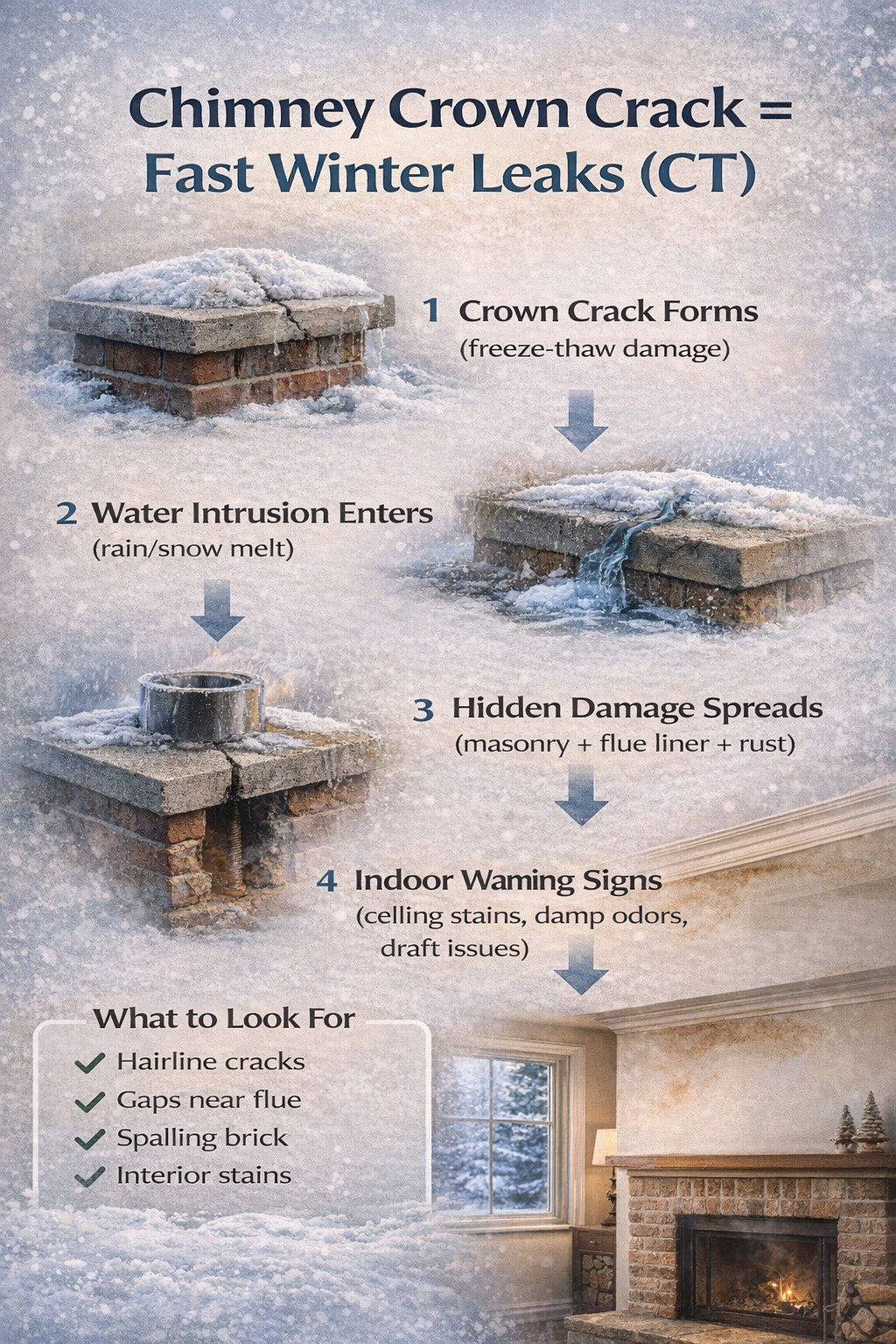
Most chimney crown cracking comes down to weather, age, and construction details that were either skipped or done cheaply.
Connecticut winters create classic freeze-thaw damage. Water gets into tiny pores or hairline cracks, freezes, expands, and pushes the material apart.
This cycle repeats over and over, turning small cracks into bigger ones.
A common issue is when the crown is poured tight against the flue tile without an expansion gap. That creates stress when materials expand and contract.
Over time, it leads to cracking around the base of the chimney flue, which is the worst spot to crack because that is where water intrusion heads straight down.
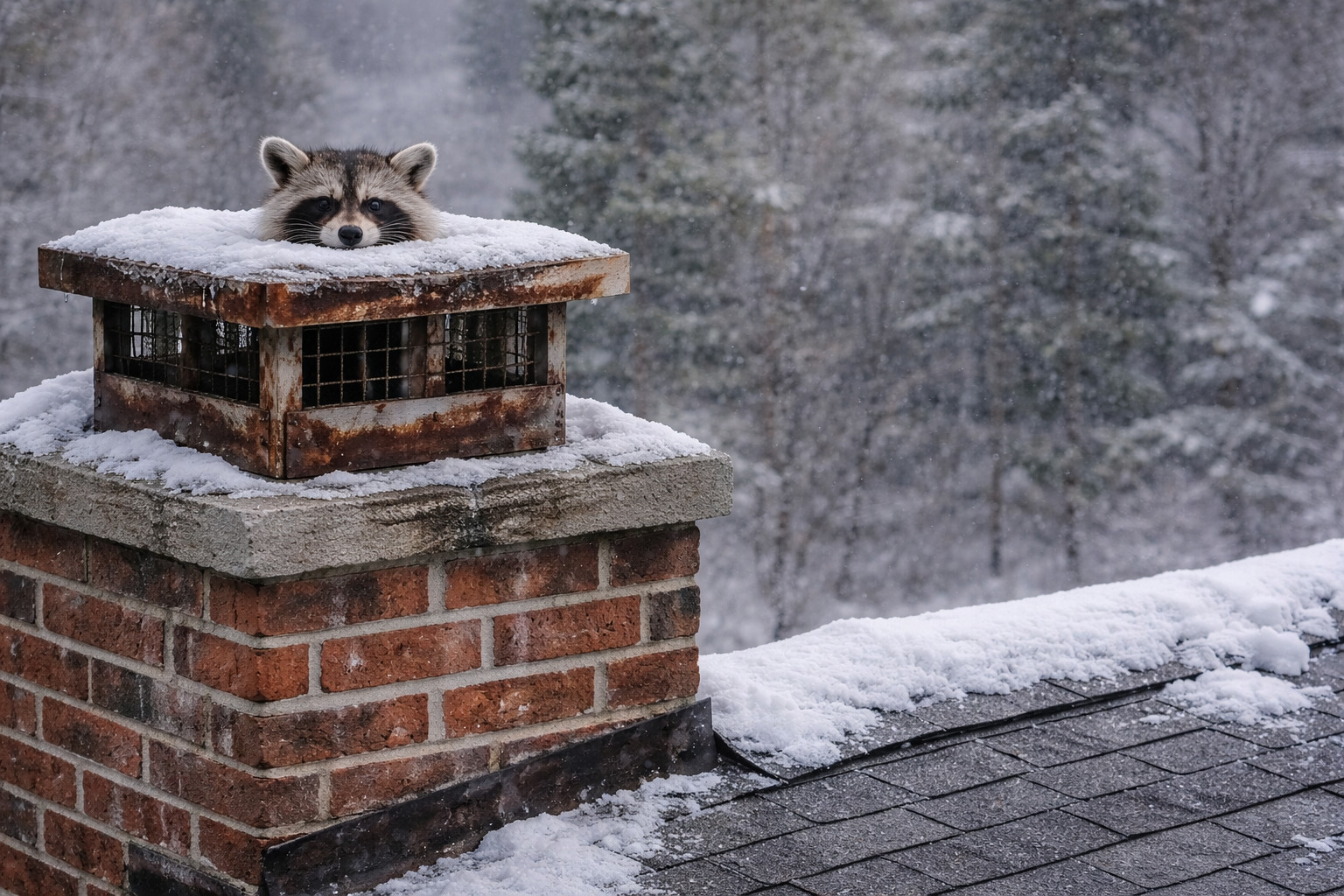
A missing or damaged chimney cap lets rain, snow, animal intrusions, and debris build-up enter your flue area. This does not just cause drafting obstruction. It also speeds up moisture buildup and crown failure.
A cracked chimney crown is basically an open invitation for water infiltration. Once moisture gets into the top layers of your chimney structure, it starts moving through the system.
That can cause:
This is why Chimney Leak Repair often starts at the crown, even when the homeowner first notices the leak inside the home.
You do not always see the crack from the ground. But there are some clues that show up early.
If you can safely see the crown area, look for:
Some of the first indoor warning signs include:
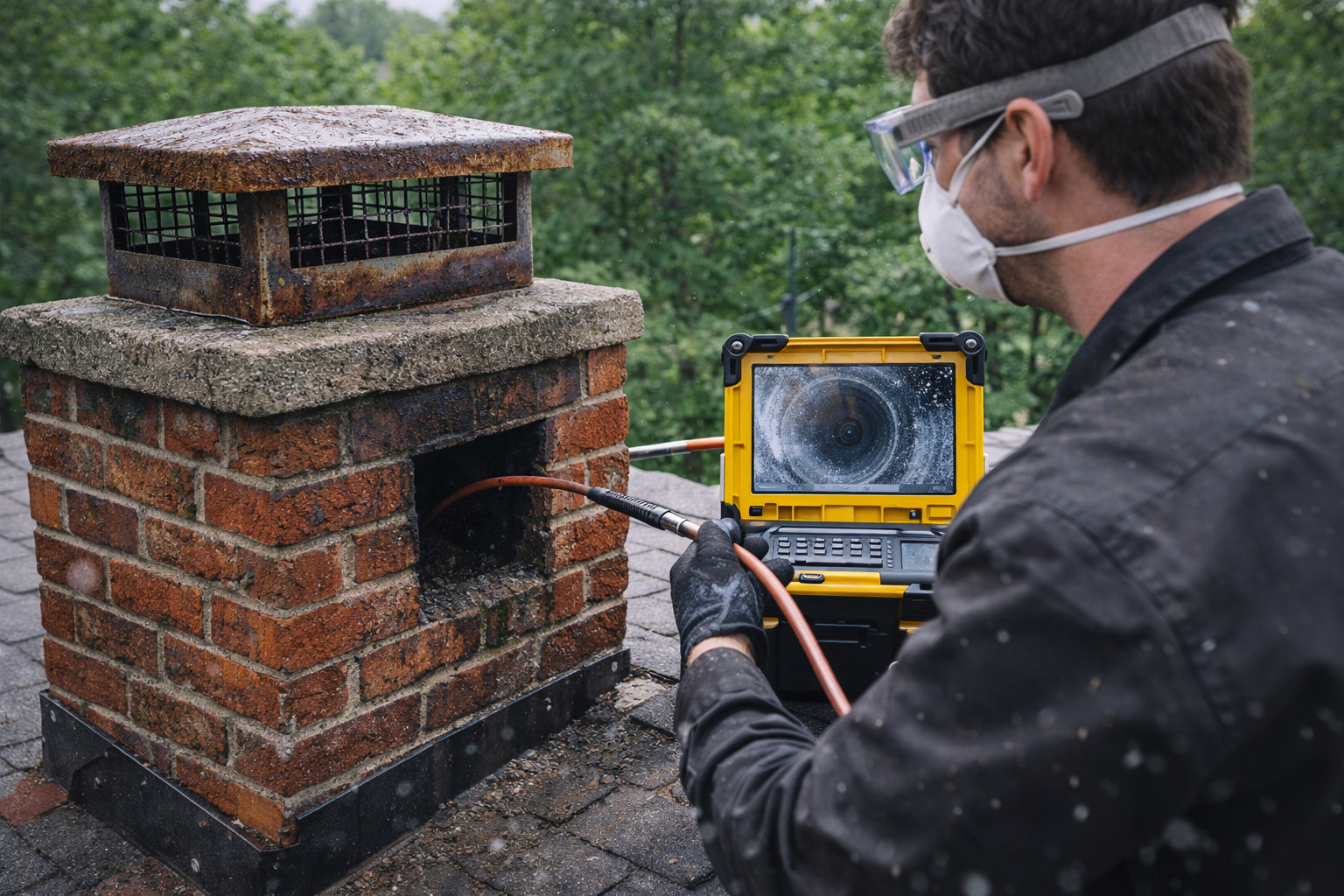
If you are noticing any of these, it is a good time to schedule a chimney inspection with a chimney professional.
When homeowners think “chimney leak,” they imagine a drip. But the bigger issue is what moisture does to the parts you cannot see.
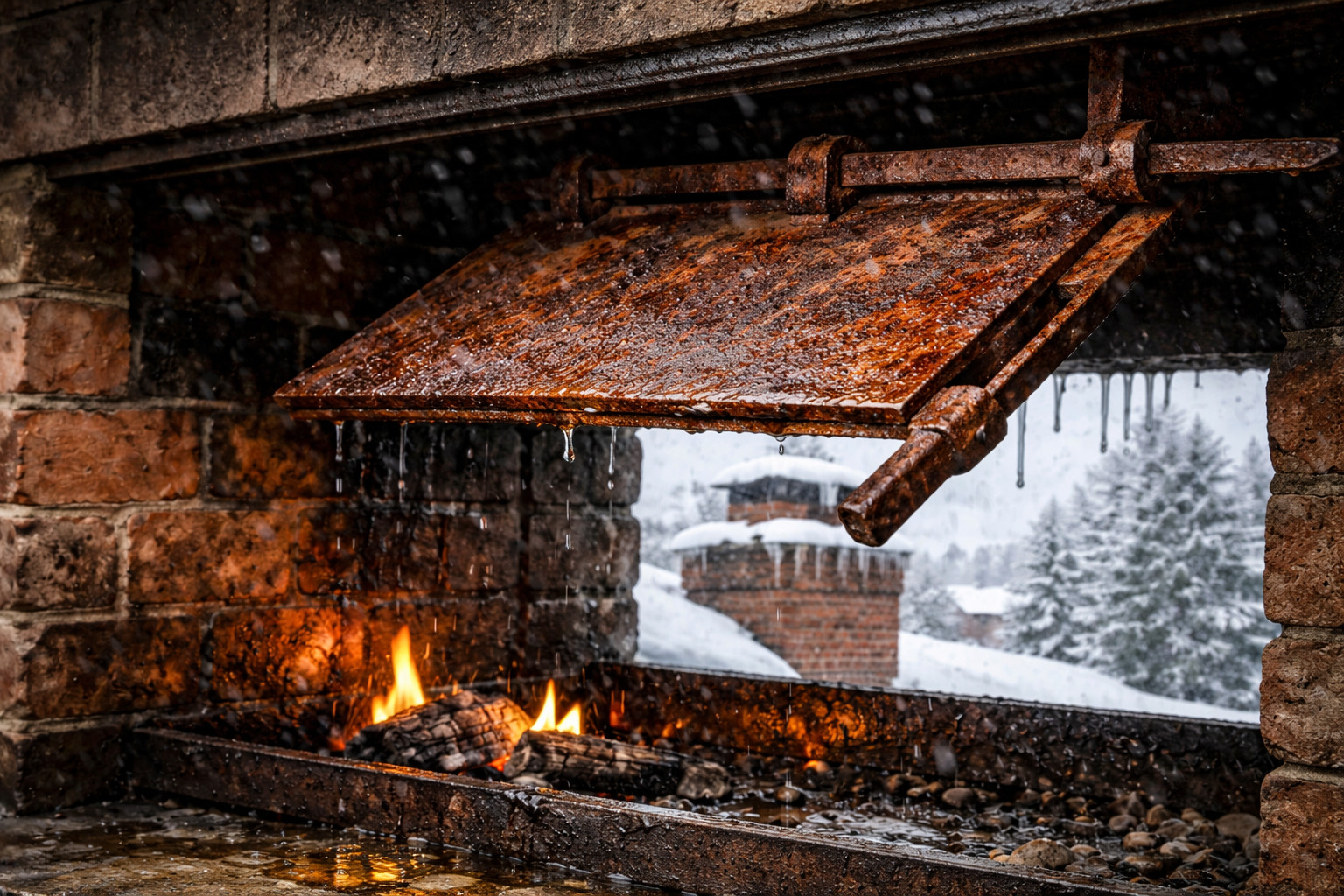
If water is entering from the top, it can damage:
Moisture and debris build-up can also affect drafting and cause smoke backflow.
A damaged chimney system can affect how flue gases exit the home. If venting is restricted or the chimney liner is compromised, carbon monoxide risk increases.
The CDC has an excellent guide on carbon monoxide poisoning and symptoms here: CDC carbon monoxide info.
For broader fire risk and safety standards, it also helps to understand chimney safety practices supported by NFPA safety standards: NFPA home safety resources.
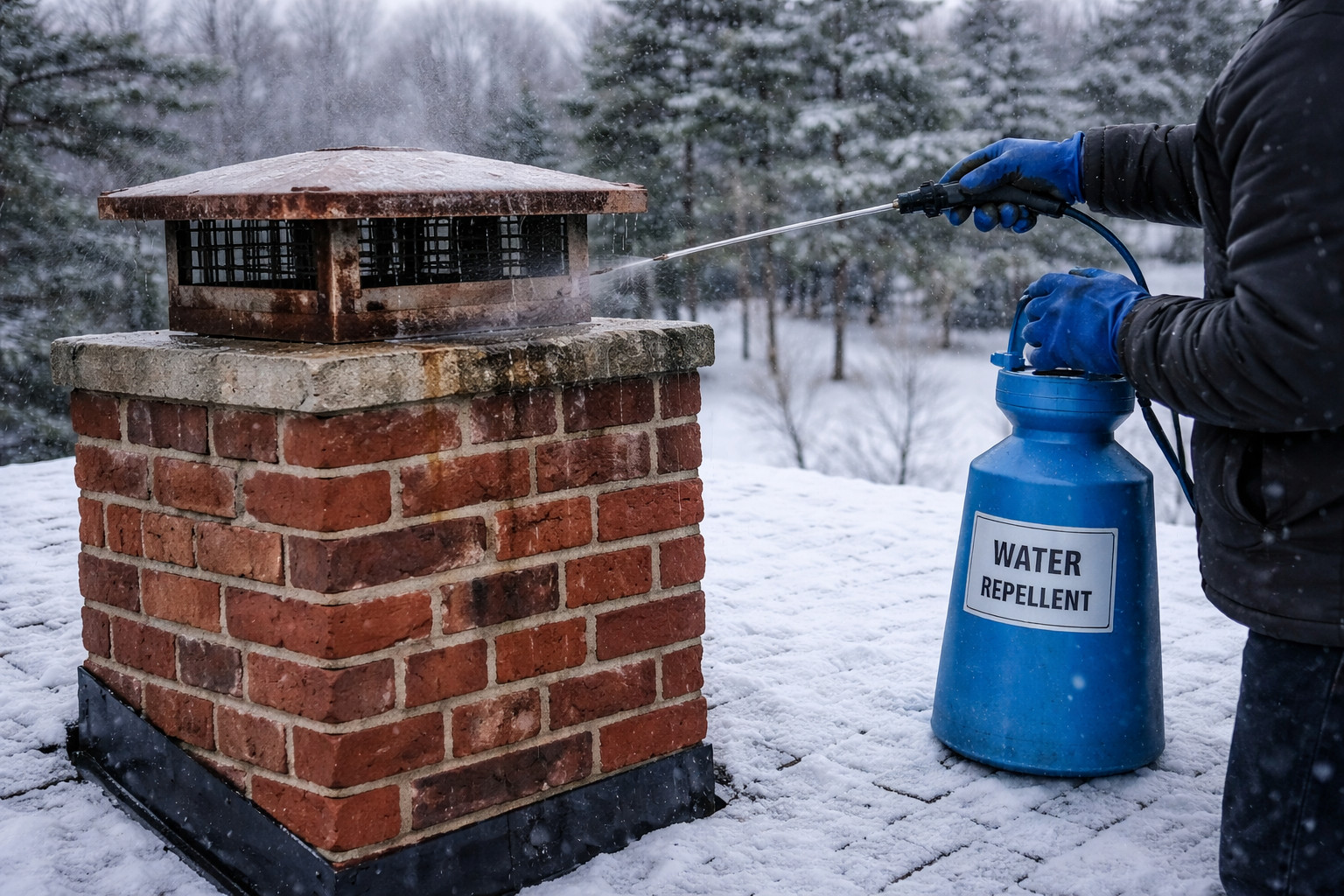
The best chimney repair is the one you avoid needing.
A simple chimney maintenance routine can help prevent the most common winter leak problems.
A yearly chimney sweeping helps remove creosote buildup and debris build-up. It also gives the technician a chance to check the chimney crown, chimney caps, and mortar joints before winter weather hits.
The Chimney Safety Institute of America explains chimney inspections and proper maintenance clearly here: CSIA chimney inspection education.
A lot of chimney leaks get worse when the roof drainage system is dumping water near the chimney.
If you have overflowing gutters, it is worth checking:
When water keeps hitting the same area, it accelerates masonry deterioration.
Most commonly freeze-thaw cycles, water intrusion, poor crown construction, and lack of an expansion gap around the flue.
It is common, but not normal. Heavy rain exposes weaknesses like crown cracks, flashing failure, chimney cap damage, or masonry joints that need tuck pointing.
Sometimes, but it depends on the cause. Sudden storm damage may be covered, but wear-and-tear issues usually are not. Always document the leak and get a professional chimney inspection report.
A chimney crown crack looks harmless at first. It is just a line in the concrete. But in Connecticut winter weather, that crack acts like a doorway for water intrusion. Once water gets inside your chimney structure, freeze-thaw cycles amplify the damage, causing mortar joint failure, spalling bricks, chimney leaks, and long-term structural risk.
If you suspect chimney crown damage or you have water stains near your fireplace, the safest move is a professional chimney inspection. Certified Chimney CT can help identify the true source of the leak, recommend the right chimney repair plan, and protect your home before winter turns a small crack into a major rebuild.
Article details:
Share:
Continue learning: