Connecticut Weather Can Damage Chimney Masonry
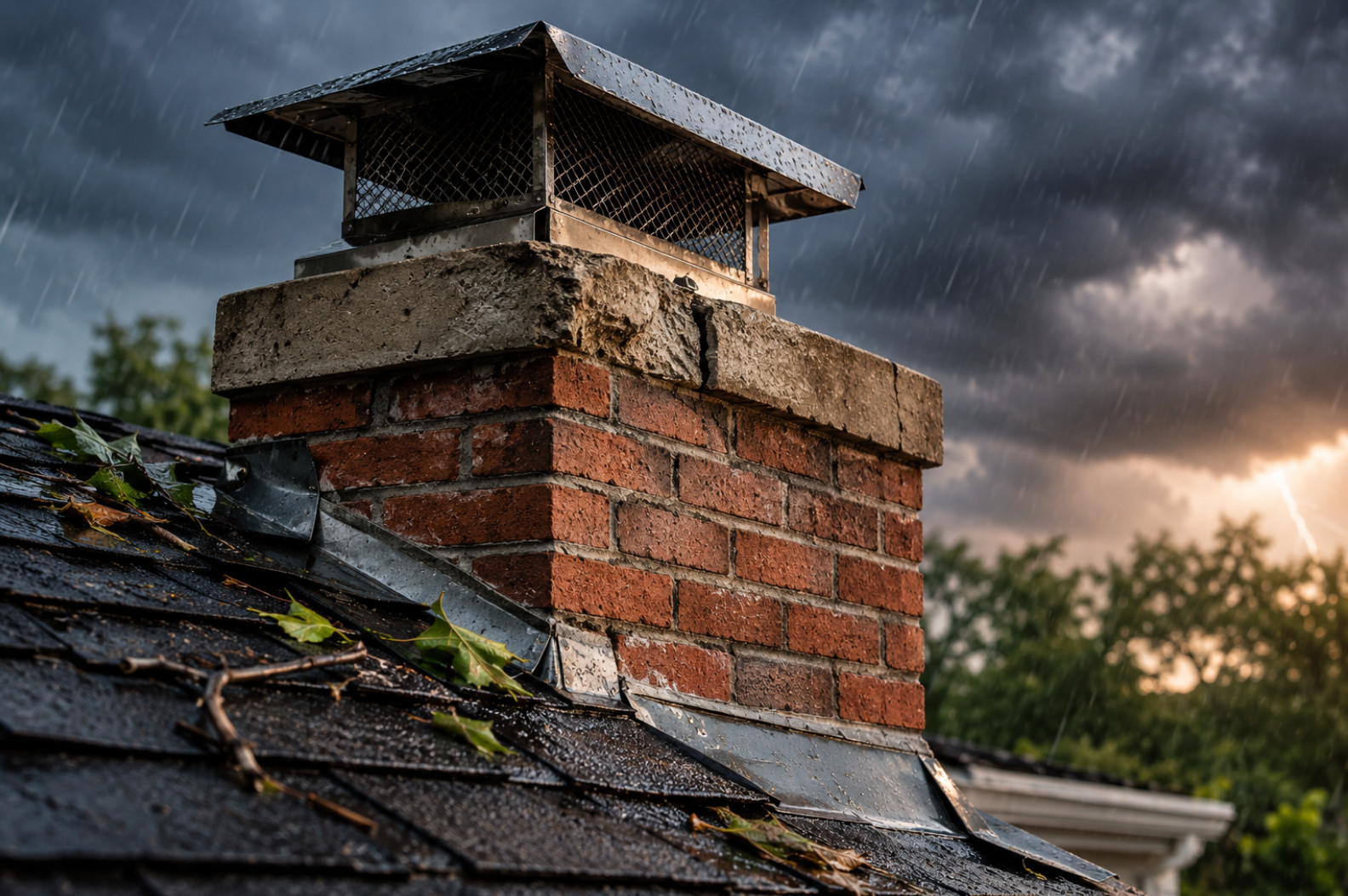
Connecticut chimneys deal with rain, snow, ice, humidity, and the freeze-thaw cycle. When moisture enters damaged bricks, cracked mortar, or a broken chimney crown, it can freeze, expand, and cause masonry materials to deteriorate. Over time, this can lead to moisture damage, interior damage, foundation issues around the chimney structure, and the need for chimney rebuilding. Summer is a smart time to correct these issues because masonry repairs often need dry conditions and stable temperatures to cure properly.
Repairs to Complete Before the Winter Season
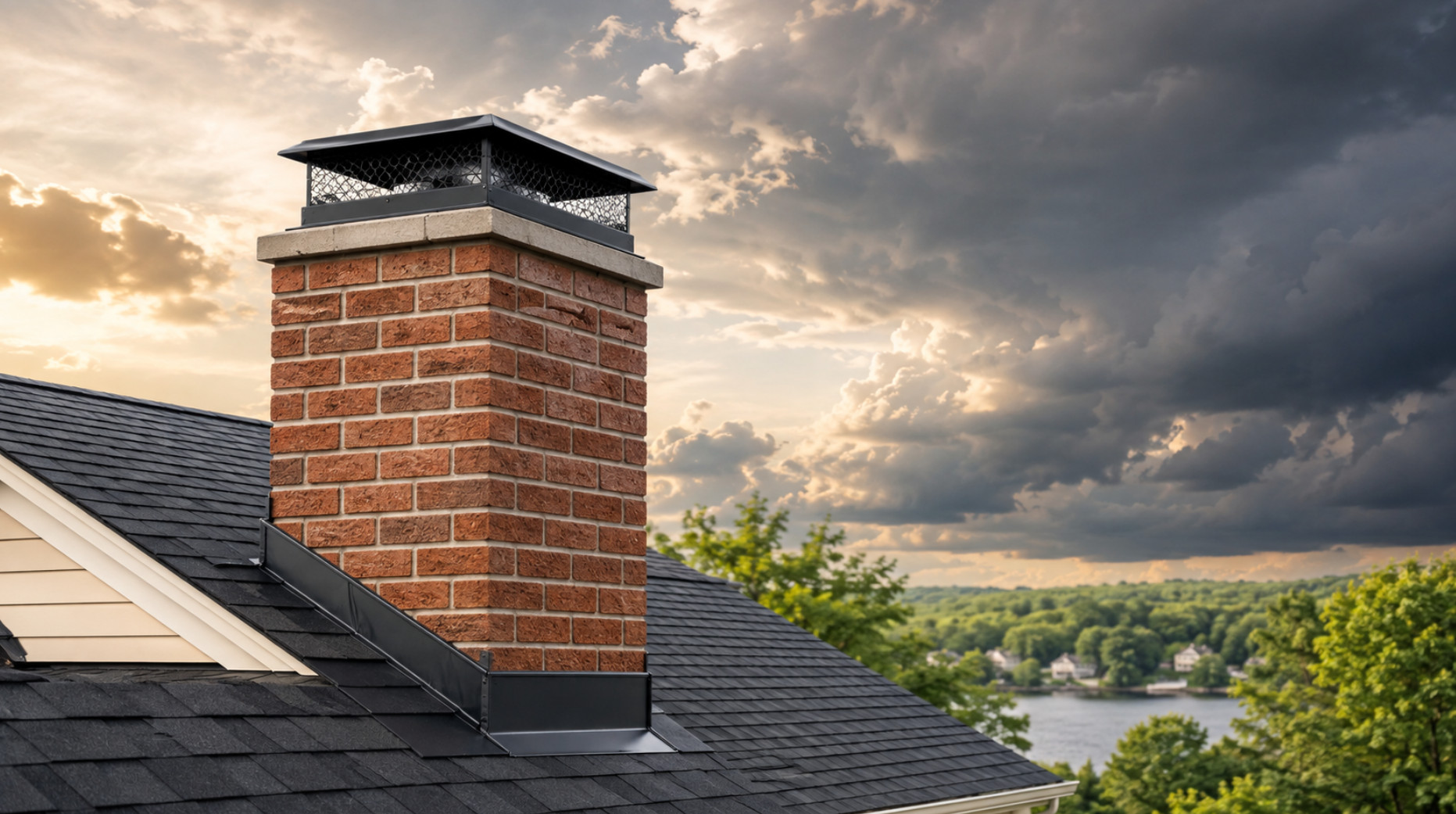
Summer chimney maintenance can include chimney crown repair, masonry repairs, chimney cap replacement, chimney liner repair, chimney waterproofing, chimney relining, and regular maintenance. A chimney sweep can also check for flammable creosote, buildup from ash, animal intrusions, cracked liners, loose flashing, and draft problems. If your home uses a gas fireplace, wood-burning fireplace, or fireplace installation, the system should be checked before regular winter use. Preventative maintenance now can reduce the chance of emergency repairs later.
Chimney Inspections and Sweeping Are Easier in Summer
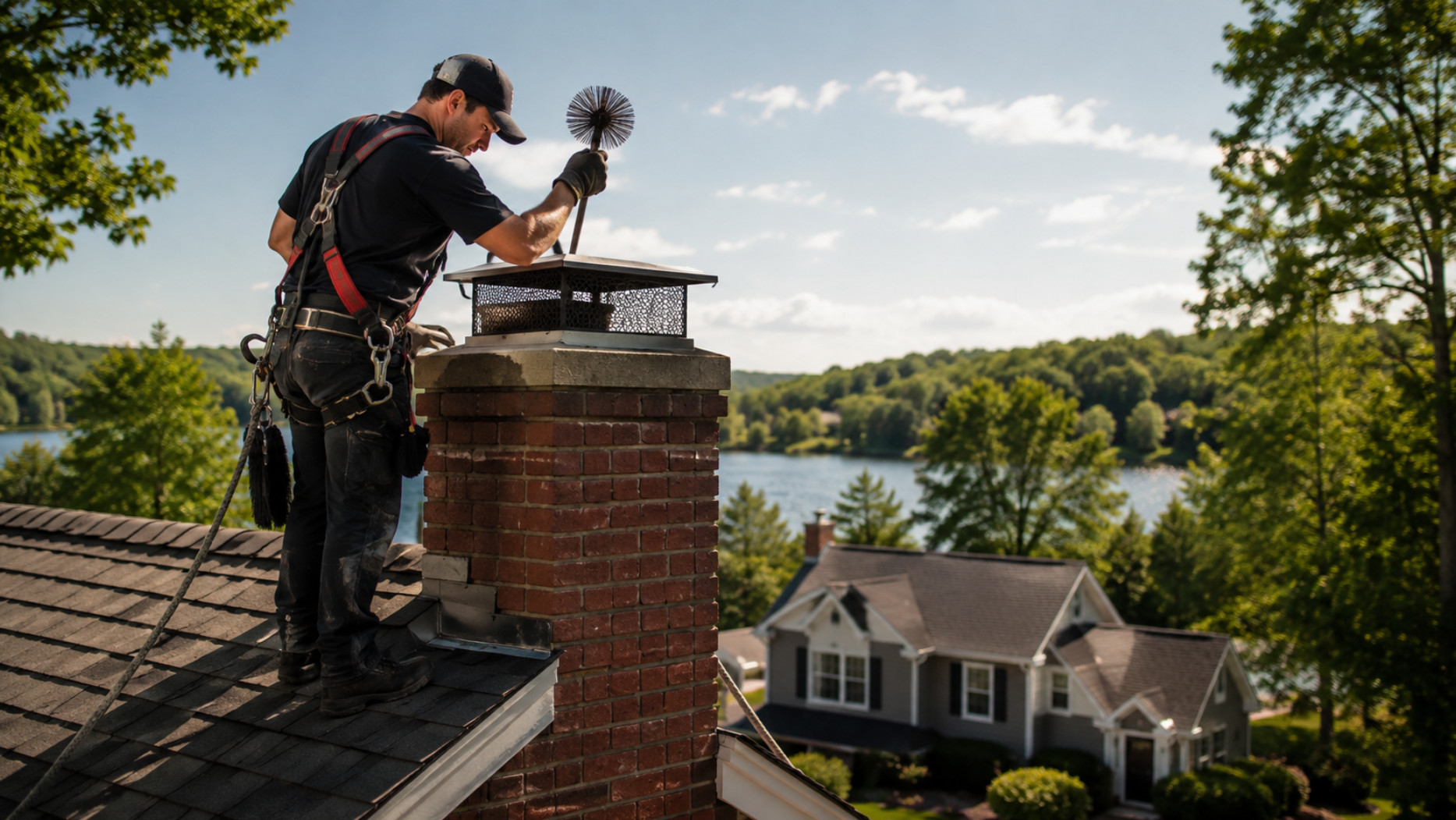
Chimney inspections and yearly chimney sweeping are easier to schedule before the fall rush. CSIA Certified Chimney Sweeps can identify harmful buildup, damaged components, and fire-related risks before you start using the fireplace again. CSIA notes that annual chimney inspections by qualified professionals can help prevent chimney fires and carbon monoxide intrusion. A chimney clean may include removing soot, creosote, ash, and debris. If heavy creosote is found, the technician may recommend additional cleaning or repair before the fireplace system is used.
Why Summer Chimney Odors Should Not Be Ignored
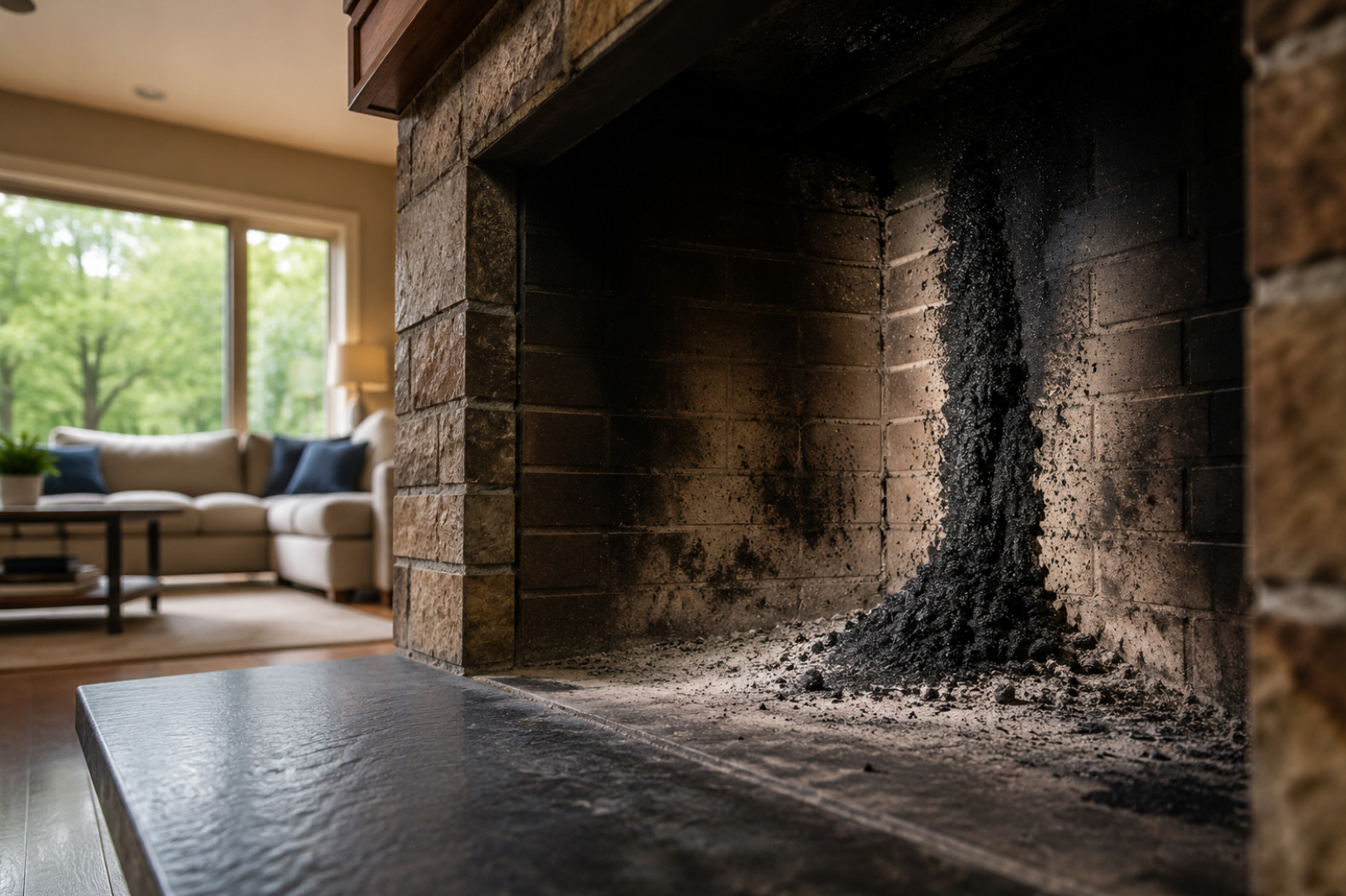
A fireplace that smells bad during summer may have moisture problems, soot buildup, creosote, animal debris, or poor airflow. Heat and humidity can make odors stronger, especially when the chimney cap is missing or the damper does not seal well. Some homeowners try DIY cleaning, but a DIY fail can leave behind flammable creosote or damage fireplace components. Use non-flammable cleaning solutions only where appropriate, store ashes in a fireproof ash container, and have the system professionally inspected when odors continue.
Schedule Summer Chimney Services in Connecticut
Certified Chimney provides chimney repairs, chimney inspections, chimney sweeps, chimney services, chimney cap repair, masonry repairs, chimney waterproofing, chimney liner repair, chimney relining, chimney rebuilding, and fireplace maintenance across Connecticut, including Fairfield County and nearby communities. Summer is the best time for chimney maintenance because it helps homeowners prepare before cold weather, avoid usage delays, and reduce potential hazards. Request a free consultation from Certified Chimney Connecticut to schedule summer chimney repair before the busiest times of the year.