Smoke Problems or Back Puffing
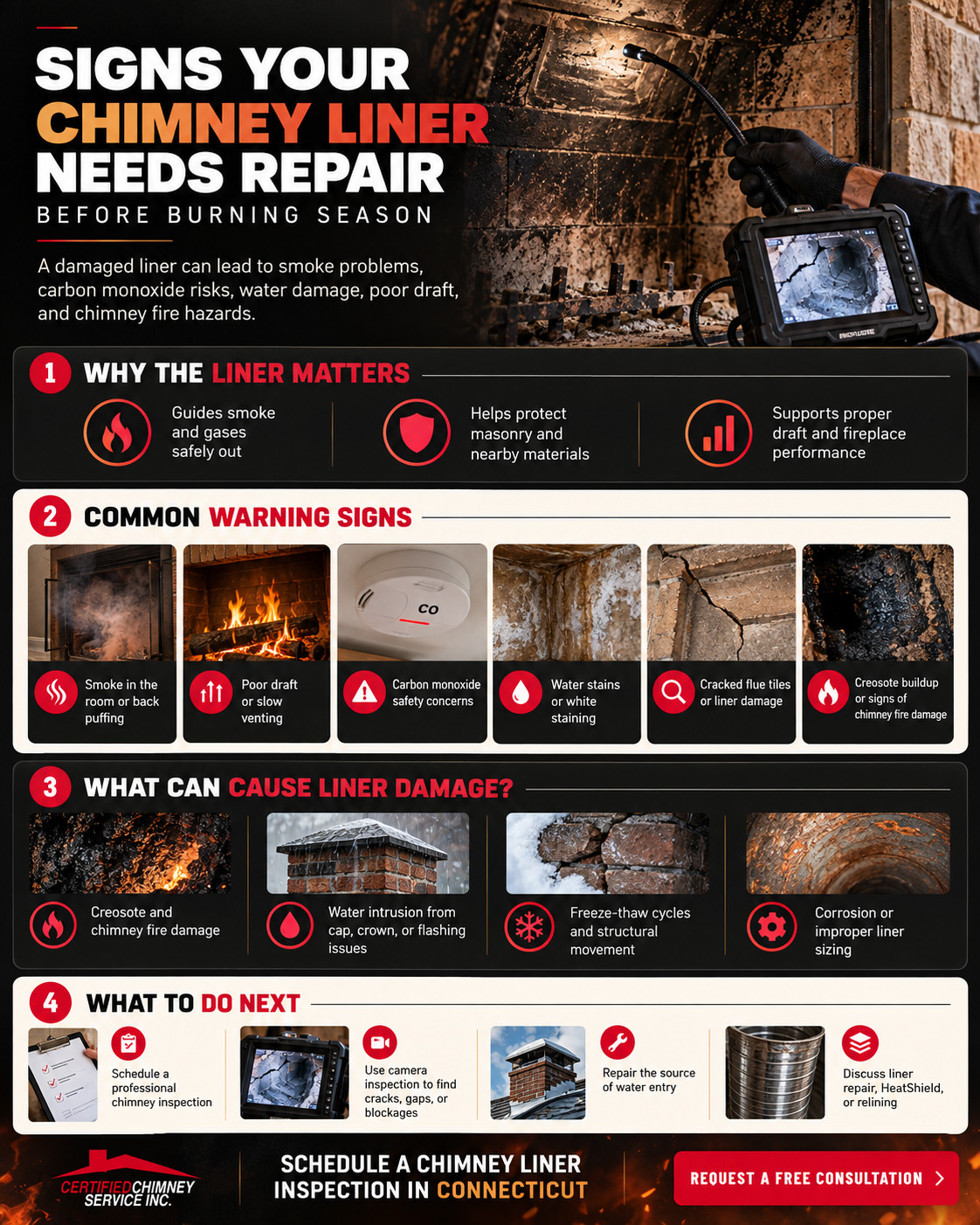
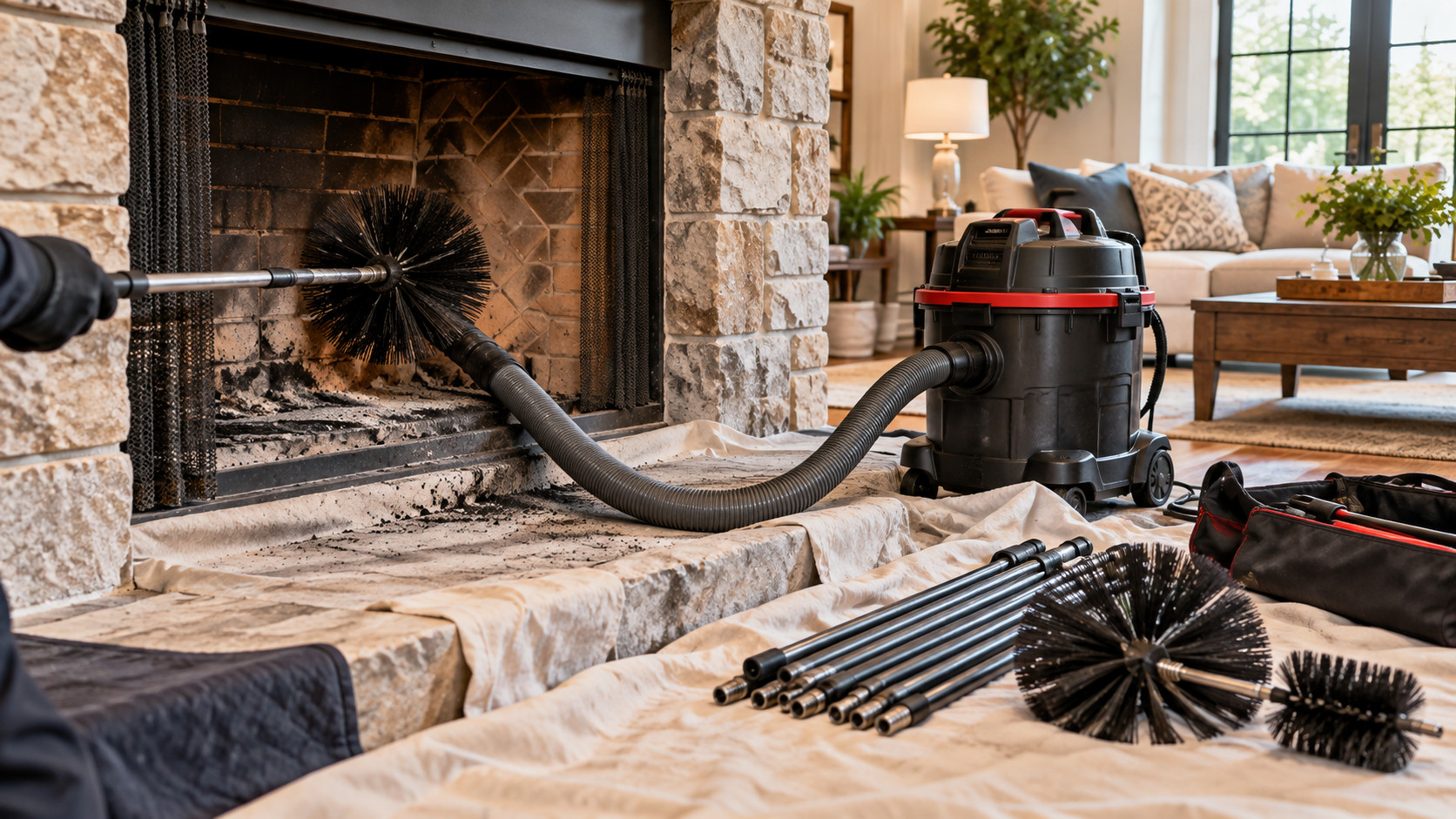
Smoke problems are one of the most noticeable warning signs of chimney liner trouble. If smoke enters the room, rolls out of the fireplace, or causes back puffing, the chimney may have a draft failure, flue restriction, animal infestation, or damaged liner. Smoke should move up the chimney, not into the living space. A chimney sweep can inspect the smoke chamber, flue liner, chimney cap, and venting system to determine whether the problem is buildup, blockage, or liner damage.
Draft Issues and Flue Restriction
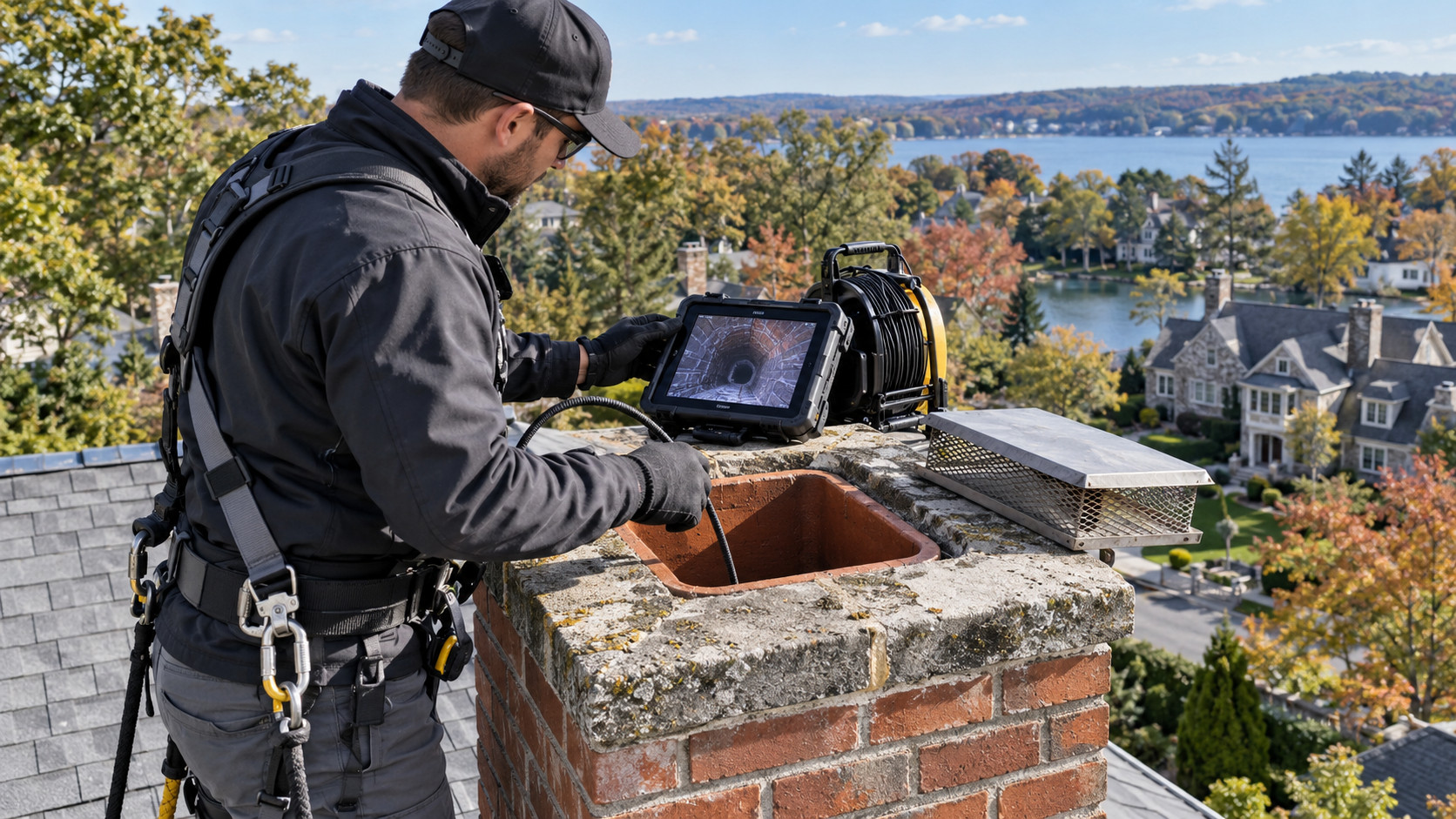
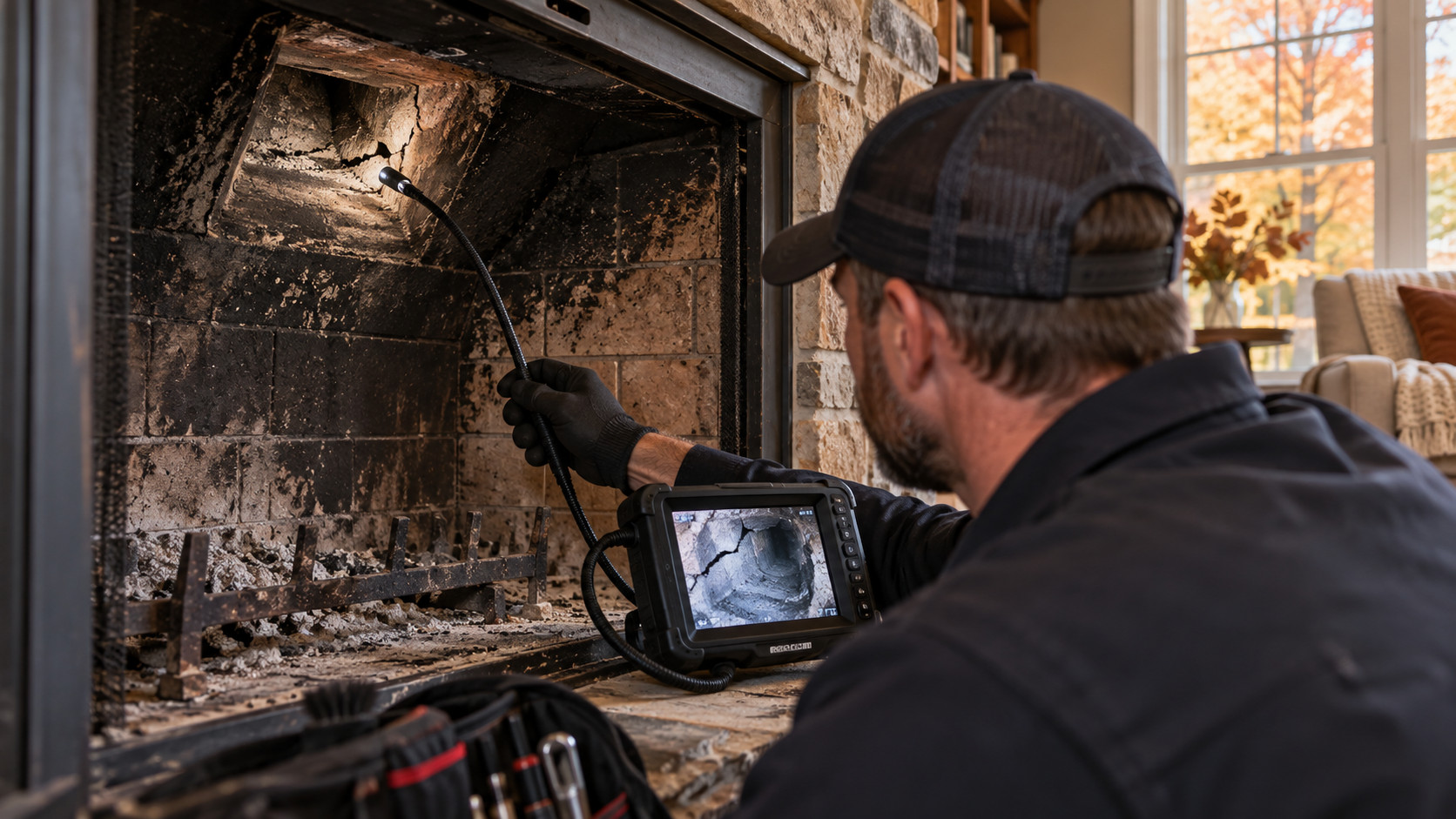
Draft issues can happen when creosote deposits, nesting material, broken clay tile pieces, or damaged components reduce the opening inside the flue. Poor draft performance may also occur when the liner is the wrong size for a gas fireplace, wood-burning fireplace, gas logs, or home heating system. A professional inspection with camera equipment can show whether the flue is restricted or the liner has gaps, cracks, or collapsed sections.
Carbon Monoxide or Fire Safety Concerns
A damaged chimney liner can allow carbon monoxide and combustion byproducts to escape into areas where they do not belong. Carbon monoxide is especially dangerous because it has no color or smell. Homeowners should keep a working carbon monoxide alarm and smoke detectors near sleeping areas and living spaces. CSIA says annual chimney inspection by a qualified professional can help prevent chimney fires and carbon monoxide intrusion. A liner problem should never be ignored before seasonal fireplace use.
Creosote Buildup and Chimney Fire Damage
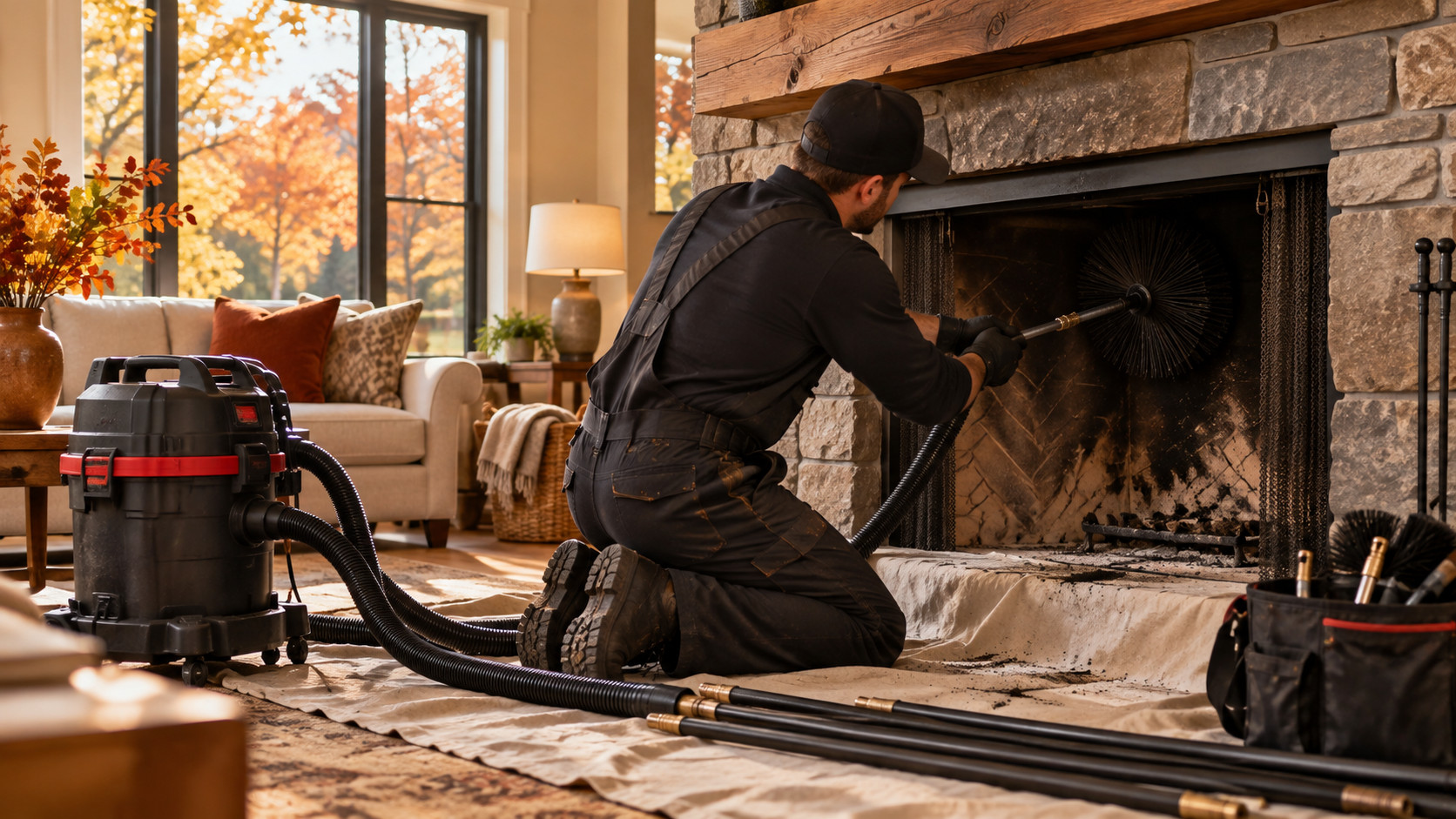
Creosote buildup inside the chimney liner can become a fire hazard. If creosote ignites, a chimney fire can crack flue tiles, damage mortar joints, weaken the smoke chamber, and compromise the liner. Some chimney fires are obvious, but others may go unnoticed. After a suspected chimney fire, the chimney should be inspected before use. CSIA notes that damage may require flue tile replacement, a new liner system, or even chimney rebuilds depending on severity.
Water Damage, Stains, or White Staining
Water damage is another sign the chimney liner may need repair. Water intrusion can enter through a damaged chimney cap, cracked chimney crown, open mortar joints, chimney chase issues, or loose flashing. Warning signs include water stains near the fireplace, mold growth, white staining on exterior masonry, rusted components, or pieces of clay tile in the firebox. Moisture can damage clay tile liners, corrode metal parts, and weaken masonry chimneys. Repairing the source of water entry helps protect the liner and chimney structure.
Cracked Clay Tiles or Damaged Stainless Steel Liners
Clay tile liners can crack from heat, thermal shock, freeze-thaw cycles, chimney fires, or structural movement. Stainless steel liners can also be damaged by corrosion, improper installation, or incompatible fuel use. UL-listed stainless-steel liners are often used during chimney relining because UL 1777 covers chimney liners installed in existing masonry chimneys with or without fire-clay tile liners. A professional inspection can determine whether the home needs liner repair, stainless steel liners, HeatShield flue resurfacing, or full chimney relining.
Schedule Chimney Liner Inspection in Connecticut
Certified Chimney CT helps Connecticut homeowners prepare for burning season with chimney inspections, chimney cleaning, chimney sweep service, chimney repair, masonry repair, chimney cap repair, chimney liner repair, chimney relining, stainless steel chimney liners, fireplace cleaning, and professional repairs. If you notice smoke problems, back puffing, water leaks, white staining, animal infestations, carbon monoxide concerns, or damaged flue tiles, request a free consultation from Certified Chimney Connecticut to schedule chimney liner service before regular fireplace use begins.